Articles
- GHRD Team
- 23 September 2025
- Climate Change, Climate Crisis, Climate Rights
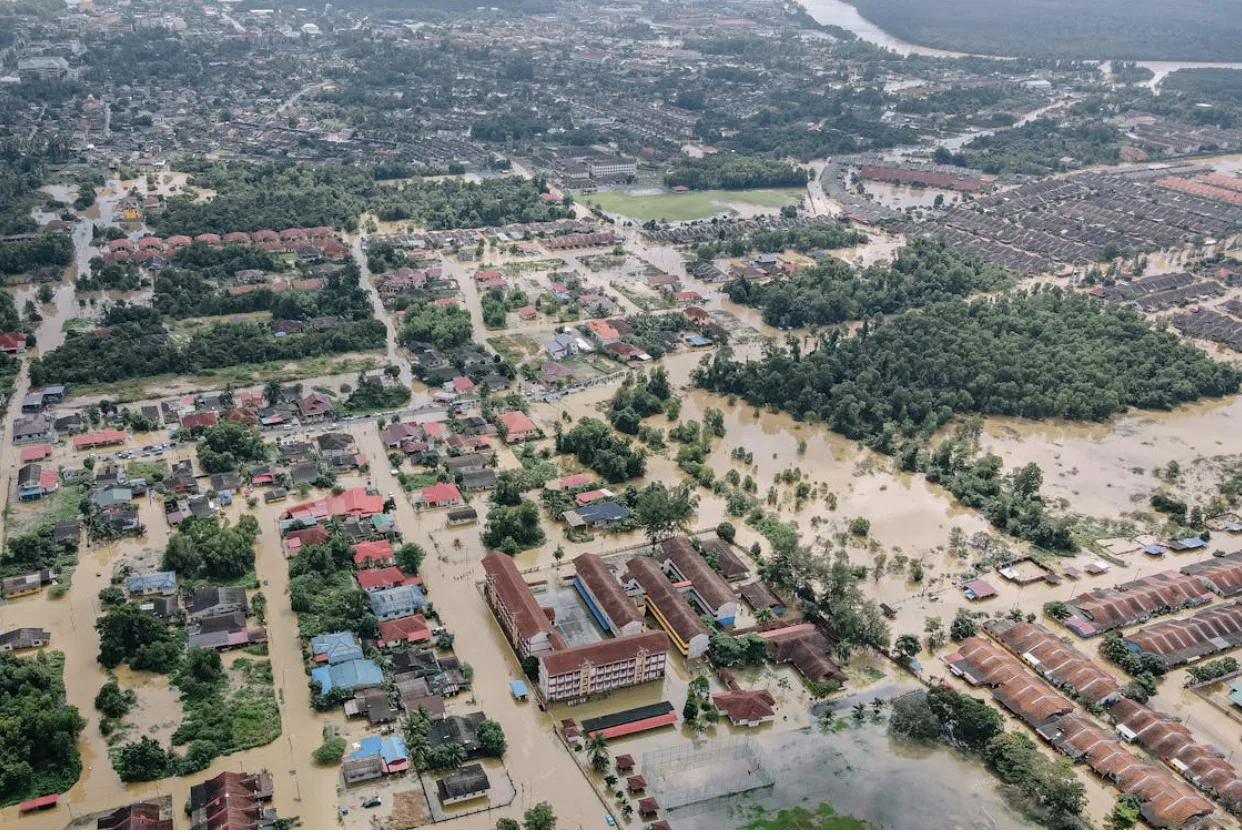
Rising sea levels in Fiji are forcing villages to relocate, highlighting the human rights challenges of climate-induced displacement and the need for stronger adaptation strategies.

- Asia Team
- 19 September 2025
- Children, Labour Rights, Violations
The present paper evaluates the steps taken by Bangladesh to safeguard the labour rights of children, while examining the latest statistics and reviewing related incidents from recent years.
- Alejandra Martínez Otero-Saavedra
- 19 September 2025
- Conflict, Sahara, United Nations (UN)
The conflict over Western Sahara, often labeled as Africa’s last unresolved colonial issue, began with Spain’s withdrawal in 1975 from its former territory, known as Spanish Sahara. The International Court of Justice ruled that while Morocco and Mauritania had historical connections to the region, these did not constitute sovereignty; it supported the Sahrawi people’s right to self-determination. Spain’s signing of the Madrid Accords transferred control to Morocco and Mauritania without organizing a promised referendum. The Polisario Front emerged, declaring the Sahrawi Arab Democratic Republic and declaring war. Although a ceasefire was established in 1991 with a UN mission to organize a referendum, it has yet to take place. Morocco proposes broad autonomy while the Polisario demands a referendum. Spain has maintained a complex relationship with Morocco, which escalated in 2022 when Prime Minister Pedro Sánchez endorsed Morocco’s autonomy plan, marking a shift from neutrality and drawing criticism from within Spain and Algeria. The Sahrawis, many in refugee camps for decades, view Spain’s realignment as a betrayal. The UN still recognizes Western Sahara as non-self-governing, with the Sahrawi right to self-determination intact legally, although Morocco’s administration and geopolitical support complicate the path to independence.

- GHRD Team
- 15 September 2025

- GHRD Team
- 15 September 2025
- Alejandra Martínez Otero-Saavedra
- 15 September 2025

- Asia Team
- 15 September 2025
- Alejandra Martínez Otero-Saavedra
- 12 September 2025
- Alejandra Martínez Otero-Saavedra
- 8 September 2025

- GHRD Team
- 5 September 2025

- GHRD Team
- 1 September 2025

- GHRD Team
- 31 August 2025
- Climate Rights, Human Rights, Sustainability
The European Union’s corporate sustainability rules are at risk of being weakened by the European Commission through the proposed Omnibus Simplification Package, which seeks to amend regulations to enhance competitiveness. This approach includes leveraging sustainability regulations in trade negotiations with the United States, promising reduced administrative burdens and flexibility on import fees related to carbon emissions. Such moves threaten the original aim of these regulations, which is to incorporate environmental and social considerations into business strategies. The article discusses the nature of EU corporate sustainability rules, their potential to advance human rights, and the implications of the Omnibus Package on progress made thus far.

- GHRD Team
- 31 August 2025
- GHRD Team
- 31 August 2025
- EU-funding, Human Rights Violations, International Law
This article examines the responsibility of EU states in supplying arms that contribute to human rights violations in conflict zones like Yemen and Gaza. Despite legal frameworks such as the Arms Trade Treaty and EU regulations, arms exports continue to fuel humanitarian crises and civilian suffering. The analysis highlights gaps in enforcement, raising serious concerns about accountability and ethical responsibility in global arms trade.

- GHRD Team
- 30 August 2025
- Conflict, Human Rights, International Justice
Ethiopia’s recent conflicts, most notably in Tigray, have left millions of civilians suffering from mass killings, sexual violence, and starvation. Despite formal commitments to transitional justice, meaningful accountability failed. Decades of institutional capture, executive overreach, and suppression of civil society have created a system where impunity is not an aberration but a tool of governance.

- GHRD Team
- 27 August 2025
- Ahamdiyya, Blasphemy Laws, Human Rights Violations, Minority Rights
In Pakistan, blasphemy laws have shifted from colonial safeguards against inter-religious conflict to powerful instruments of persecution. Originally presented as protections for religious devotion, they are now widely misused to silence dissent and marginalise minorities. For the Ahmadiyya community, these laws do not merely restrict expression but criminalise existence itself, exposing Ahmadis to violence, exclusion, and systemic discrimination. Their plight illustrates how blasphemy legislation, far from ensuring harmony, undermines the rule of law and violates fundamental human rights.

- GHRD Team
- 26 August 2025
- Attacks on Minorities, Geopolitics, Minority Rights
This article is exploring how the historical grievances between South Korea and Japan and the focal treatment of ethnic Koreans in Japan has affected the South Korea-Japan diplomatic relations. Recommendations are also provided on how the diplomatic tension could possibly be resolved to aim for better economic and security cooperation amongst the nations.

- GHRD Team
- 22 August 2025

- GHRD Team
- 22 August 2025