Article

Article

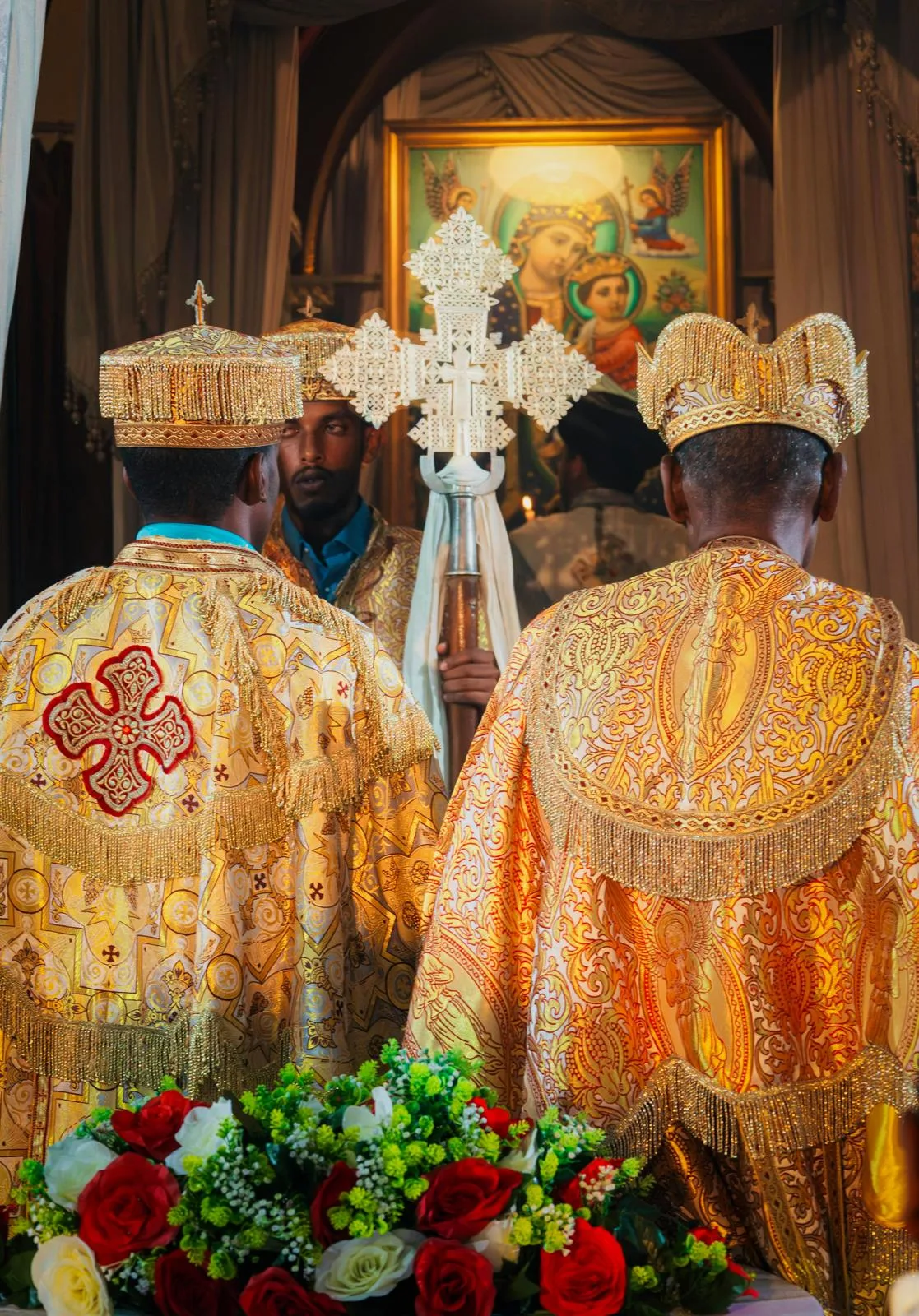
Ethiopian Orthodox Tewahedo Christians: Religious and Ethnic Persecution

This article explores the escalating violence and institutional persecution faced by Amhara Orthodox Christians in Ethiopia within the broader context of ethnic federalism and political conflict. It examines how the Ethiopian Orthodox Tewahedo Church’s cultural and historical influence has increasingly been perceived as a political threat, contributing to targeted violence, displacement, arbitrary arrests, and attacks on religious institutions. The article further analyses whether these patterns of abuse may amount to crimes against humanity or genocide under international law.
Article

The Practice of Kindoki: A Child’s Rights Perspective in the Democratic Republic of the Congo

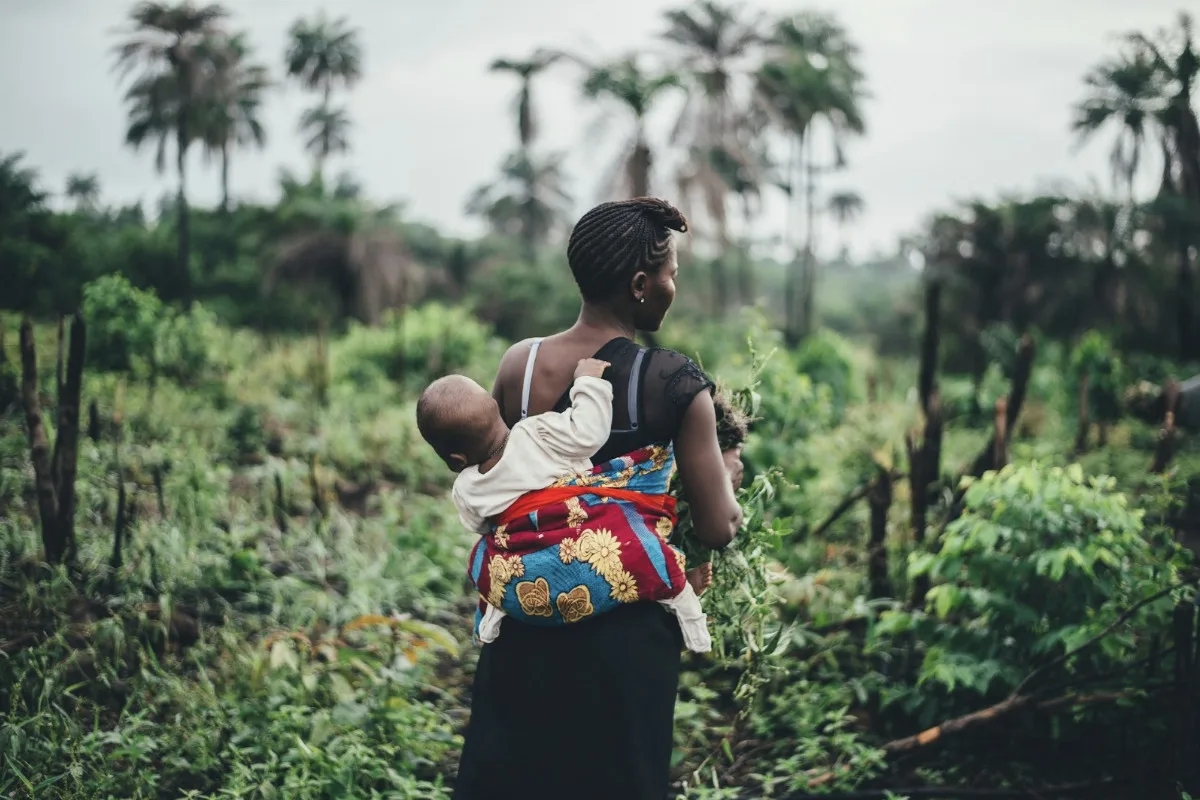
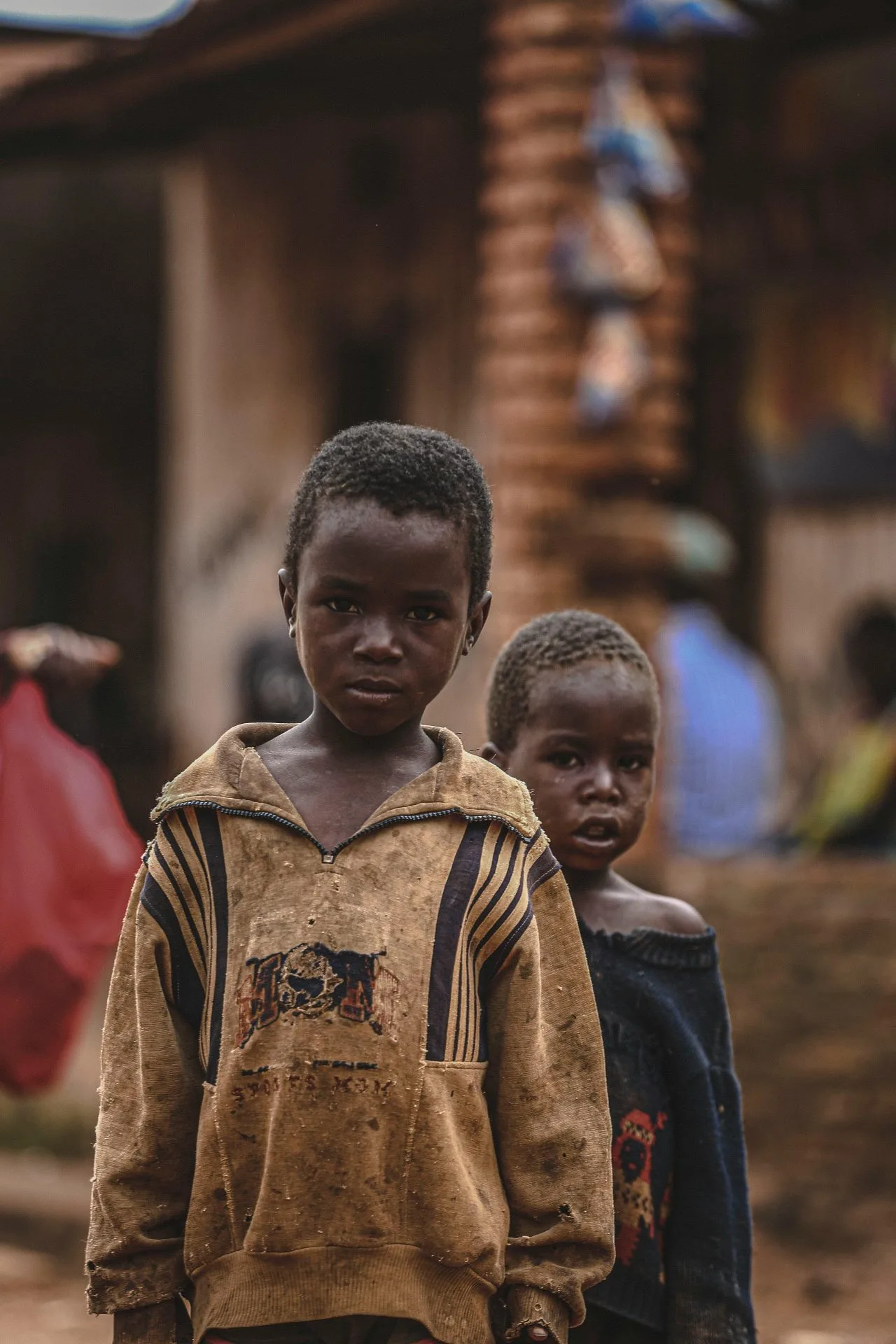
This article examines the phenomenon of Kindoki in the Democratic Republic of the Congo and its devastating impact on children accused of witchcraft. It explores how poverty, conflict, social instability, and unregulated religious practices contribute to violence, abuse, abandonment, and severe human rights violations against vulnerable children. The article also analyses the gaps between existing legal protections and weak enforcement mechanisms that allow these harmful practices to persist.

Article

Abandoned Twice: How the World Is Failing the Yazidis – Again

More than 11 years after ISIS launched a genocide against the Yazidi people of northern Iraq, the survivors are still waiting. Thousands remain missing. Hundreds of thousands remain displaced. Their homeland lies largely in ruins. And the international mechanisms built to deliver justice, protection, and reconstruction are being dismantled one by one, not because the work is done, but because the world has moved on. The Yazidis have not failed to recover; they have been failed.

Article

Targeting Schools as a Method of Warfare

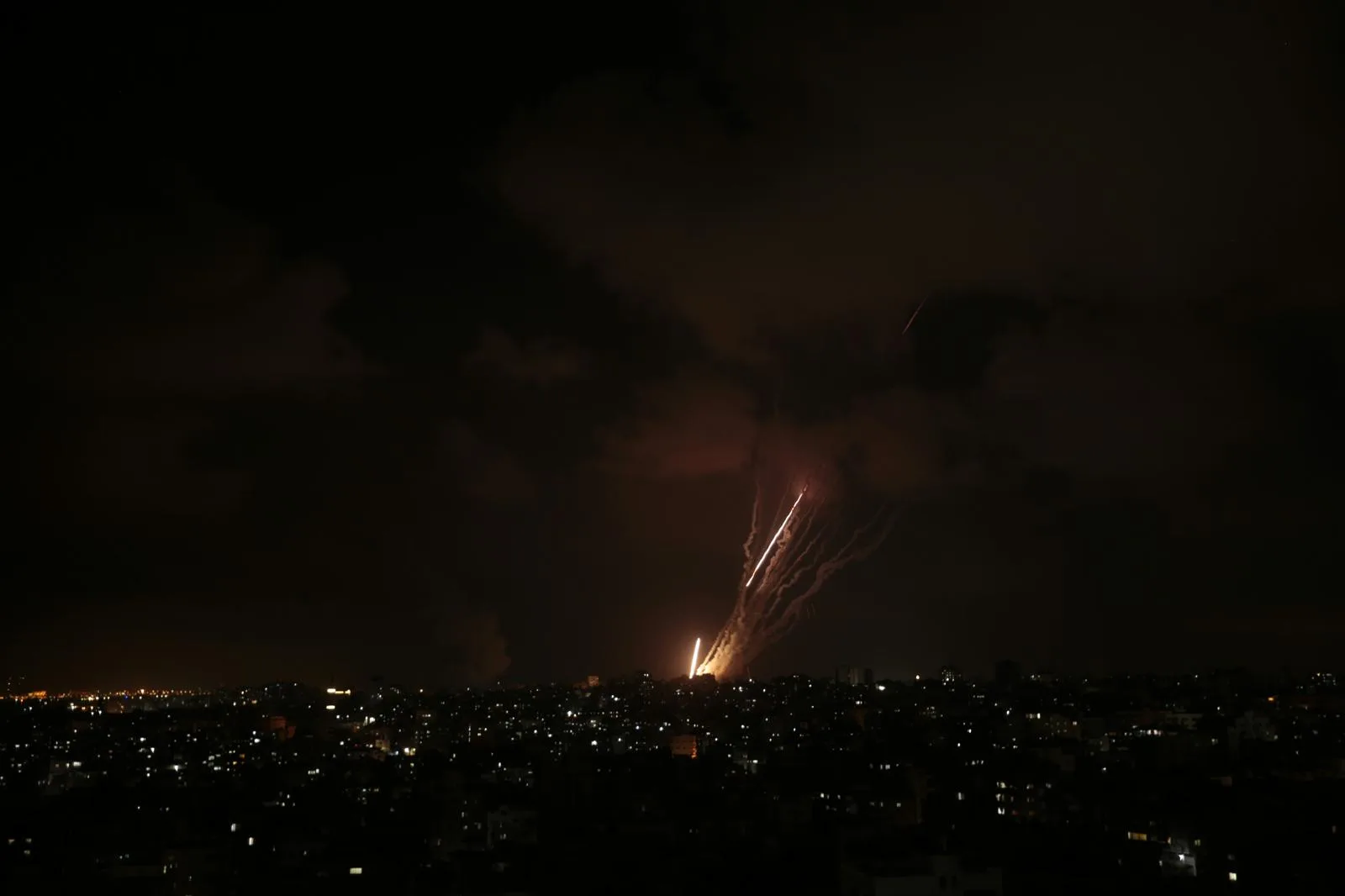
This article examines the targeting and militarisation of schools during armed conflict and the protections granted to educational facilities under International Humanitarian Law. It highlights how attacks on schools violate the principles of distinction, proportionality, and precaution, while exposing children to death, trauma, displacement, and loss of education. The piece argues that stronger accountability is urgently needed to ensure schools remain protected civilian spaces during war.

Article

Sexual and Gender-Based Violence as a Weapon of War

Across Africa’s conflict zones, sexual violence is not merely a by-product of war but a deliberate strategy used to terrorise, control, and destroy communities. From Sudan to the Democratic Republic of Congo and the Central African Republic, women and girls are systematically targeted, while international law has struggled to translate recognition of these crimes into meaningful accountability. This article examines how sexual violence has been weaponised in conflict, the evolution of its recognition in international law, and the persistent barriers that continue to deny survivors justice.

Article

Caught in the Crossfire: Iran’s Minorities in Times of War

On June 25, 2025, the execution of Kurdish porter Edris Ali exposed a deeper pattern at the heart of Iran’s current crisis. As war with Israel and the United States escalates, longstanding structures of marginalisation are not paused but intensified, with ethnic and religious minorities facing most of the harm, seen both as internal threats and as groups that can be easily sacrificed.

Article

Iraq is Losing its Fiercest Female Voices

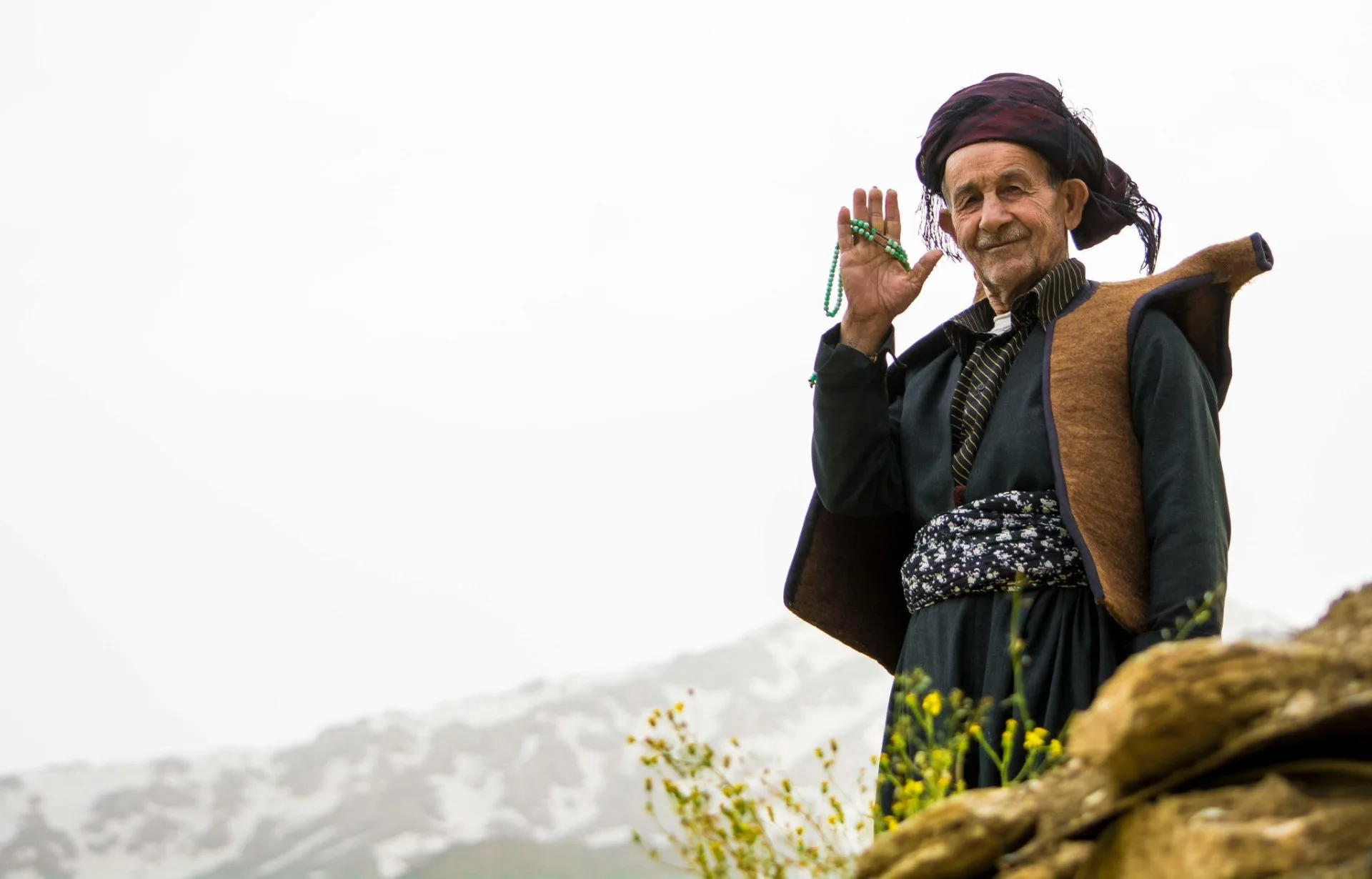
This article examines how Iran’s ethnic and religious minorities, especially Kurds, Baluchis, and Arabs, face intensified repression during times of war and political crisis. It highlights patterns of executions, arbitrary arrests, torture, and structural discrimination that deepen during conflict. The piece argues that external war has served as a pretext for expanding long-standing state violence against minority communities.

Article

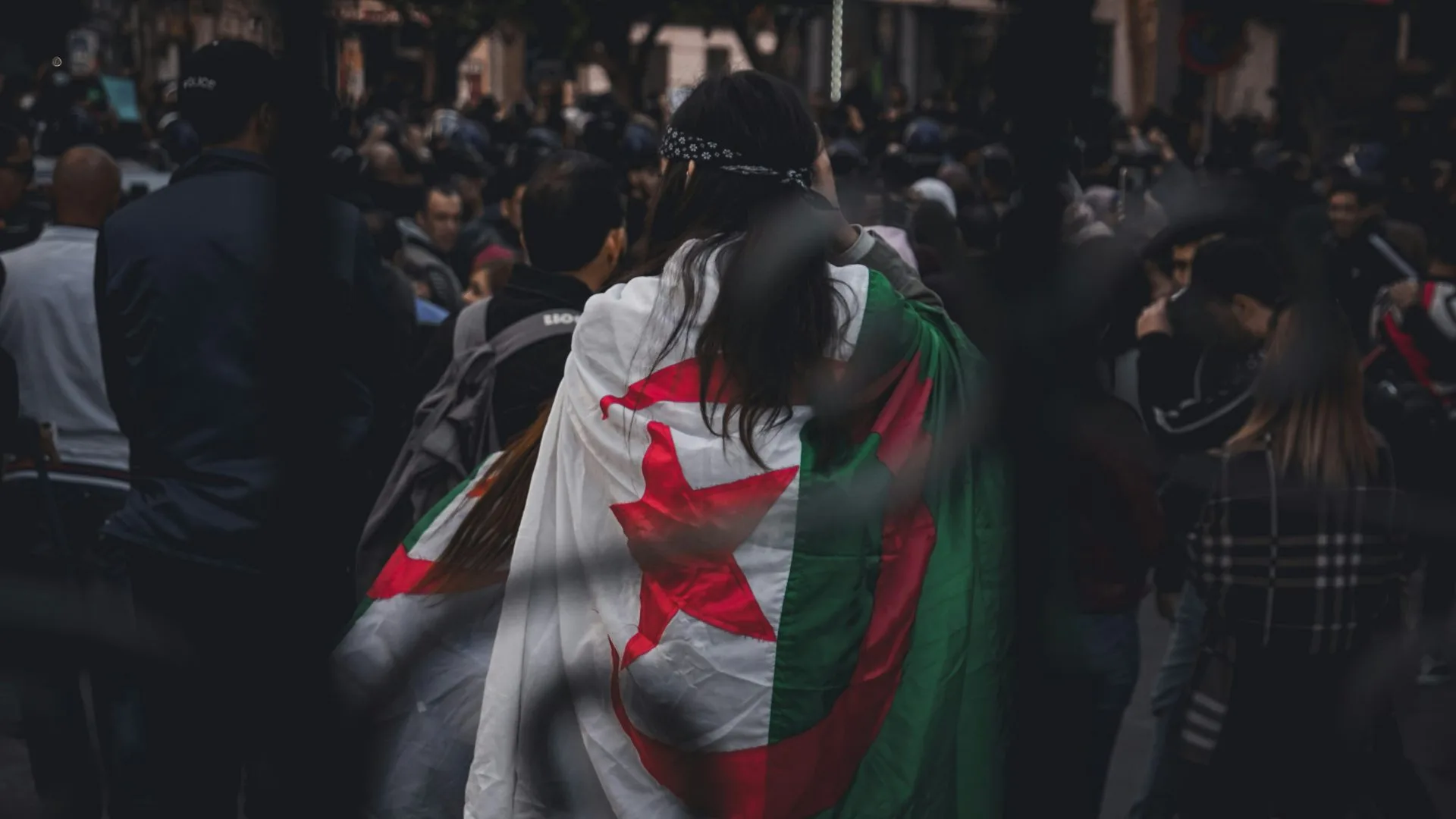
Silencing Faith in Algeria: Violence And Oppression Against Religious Communities

This article examines the increasing restrictions and persecution faced by religious minorities in Algeria, particularly Ahmadi Muslims and Kabylian Protestants. It highlights arbitrary prosecutions, church closures, surveillance, and legal barriers that prevent minority communities from freely practising their faith. The piece argues that Algeria’s current legal framework and enforcement practices fall short of its obligations under international human rights law.

Article

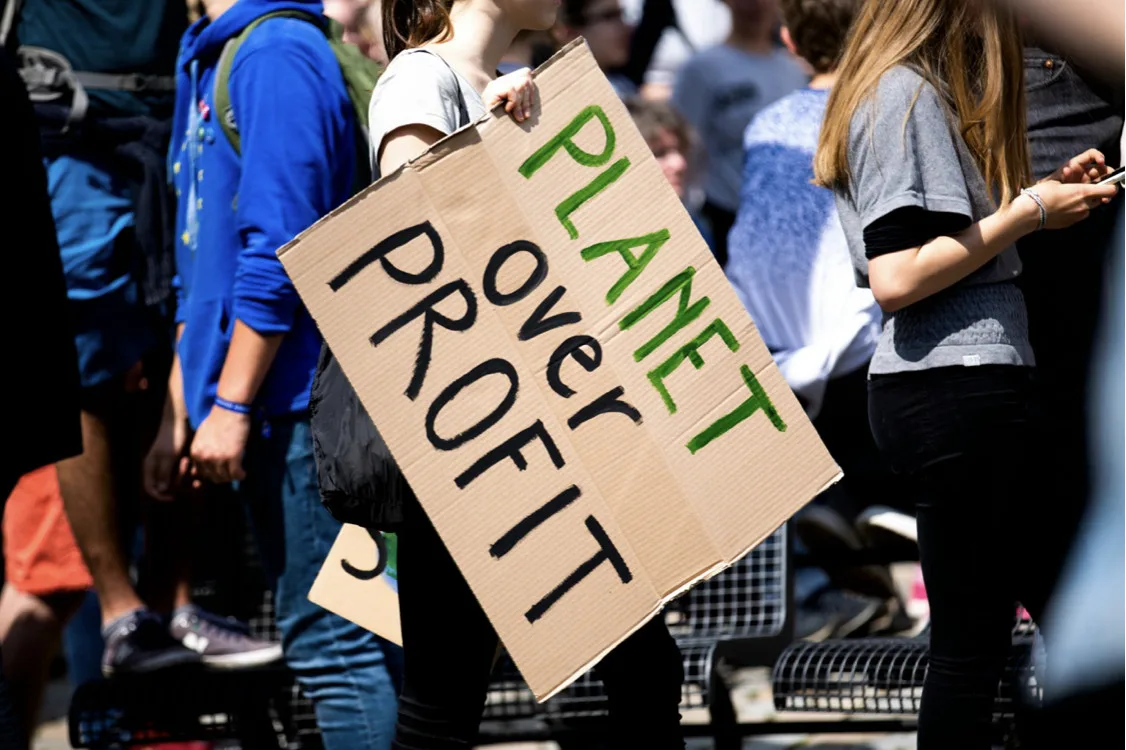
Land Without People: The Impact of Green Colonialism on the Rights of Indigenous Communities in Africa

This article examines how “green colonialism” in Africa—through conservation projects, carbon markets, and renewable energy initiatives—has led to the displacement and marginalisation of Indigenous communities. Despite contributing minimally to climate change, Indigenous peoples face land dispossession, forced evictions, and loss of cultural identity as governments and external actors prioritise environmental and economic interests. The piece argues that existing legal frameworks fail to adequately protect Indigenous rights, allowing climate solutions to reproduce historical patterns of exploitation and inequality.

Photo by Mohammad Rahmani
Article

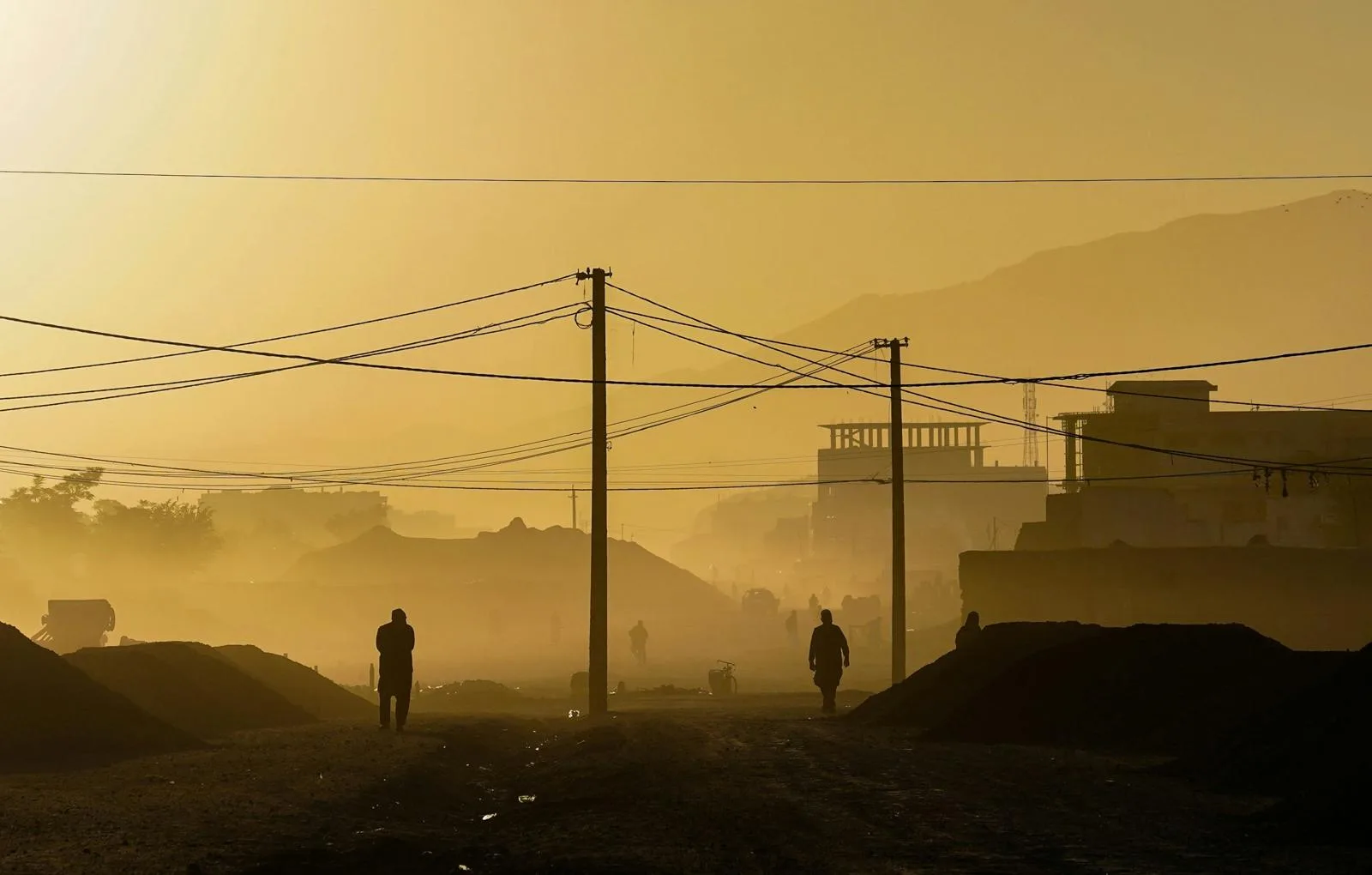
​Afghanistan and Pakistan on the Brink: How the TTP Insurgency Escalated into Open War

This article examines the escalation of tensions between Afghanistan and Pakistan into what Pakistani officials described as an “open war” in February 2026. It explores the role of Tehrik-e-Taliban Pakistan (TTP), cross-border military operations, and competing claims of self-defence under international law, while also highlighting the worsening humanitarian crisis caused by displacement, food insecurity, and restrictions on refugees along the Afghanistan–Pakistan border.