
Articles
- GHRD Team
- 12 September 2026
- Human Trafficking, Refugee & Migrant Rights, Statelessness
Global Human Rights Defence attended the 62nd session of the UN Human Rights Council, where discussions examined the heightened risk of human trafficking faced by stateless people. The dialogue highlighted how lack of legal documentation, safe migration pathways and humanitarian protection can increase vulnerability to trafficking, particularly among children. GHRD called for stronger international cooperation, improved victim identification and greater protection for vulnerable communities.
- GHRD Team
- 12 September 2026
- Femicide, Gender Based Violence, Women's Rights
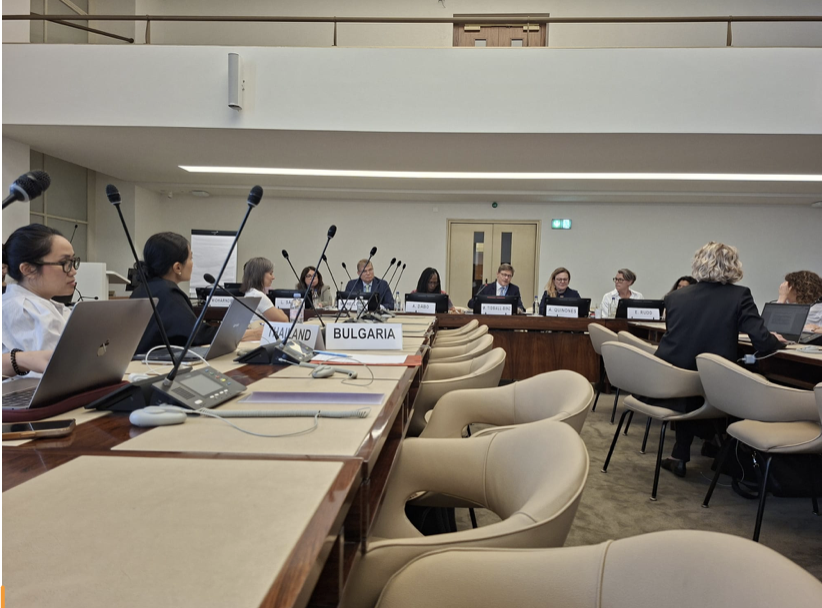
Global Human Rights Defence attended a side event during the 62nd session of the UN Human Rights Council focused on developing new global guidelines for investigating femicide and other gender-related killings of women and girls. The forthcoming tool aims to help police, prosecutors, forensic experts and judges identify, document and investigate gender-related killings through a gender-sensitive approach, addressing gaps in existing international investigative standards.
- GHRD Team
- 12 September 2026
- Non-Refoulement, Refugee Convention, Refugee Rights
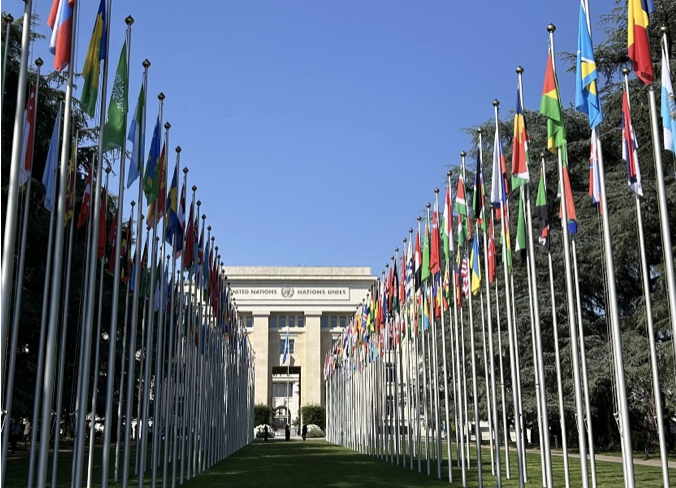
Global Human Rights Defence attended a side event at the Palais des Nations during the 62nd session of the UN Human Rights Council, examining the continuing role of the Refugee Convention in human rights protection. Discussions highlighted the situation of refugees from Afghanistan, Sudan and Myanmar, as well as concerns surrounding forced deportations, transnational repression and the risk of unlawful refoulement faced by Uyghur refugees.
- Alexandra Posta
- 24 June 2026
- Climate Change, Indigenous Rights, Khmer-Krom
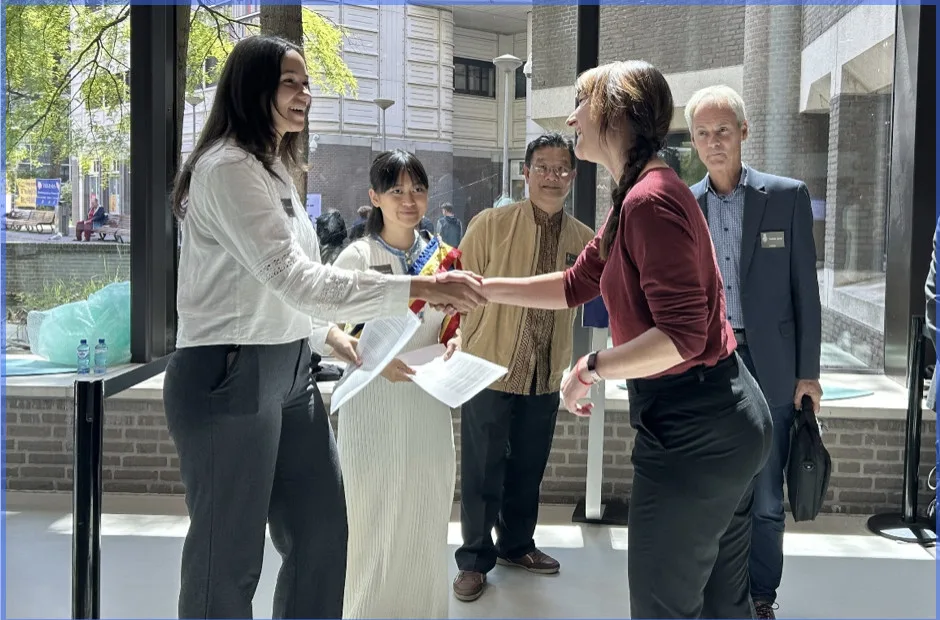
On June 16th, 2026, GHRD urged the Dutch Parliament to address climate change’s impact on the Indigenous Khmer-Krom in Vietnam’s Mekong Delta and asked for a human rights-based approach to cooperation with Vietnam. The Khmer-Krom are facing environmental disasters that threaten their livelihoods and cultural survival.
- GHRD Team
- 23 June 2026
- Freedom of Religion, Human Rights Advocacy, Minority Rights
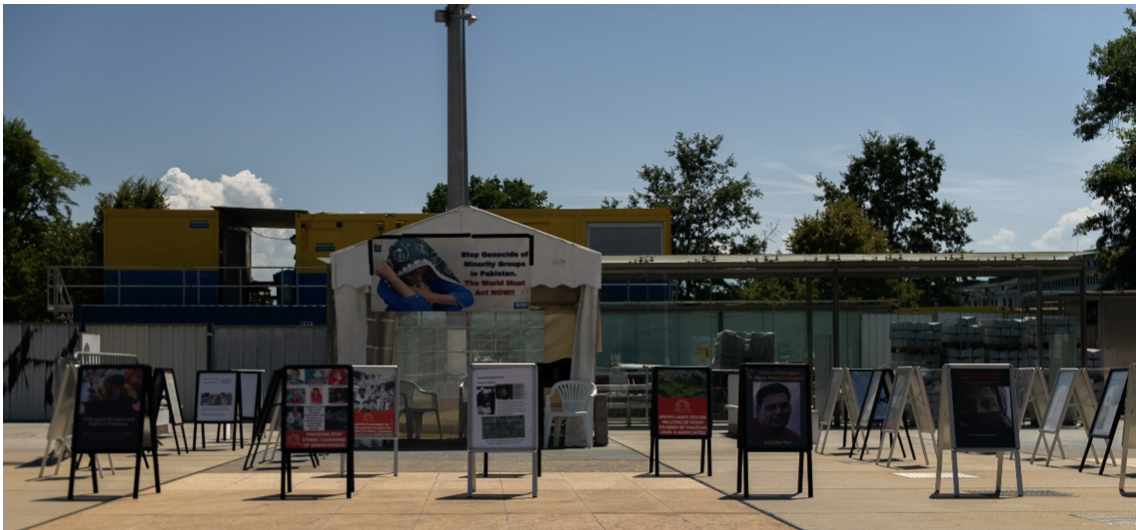
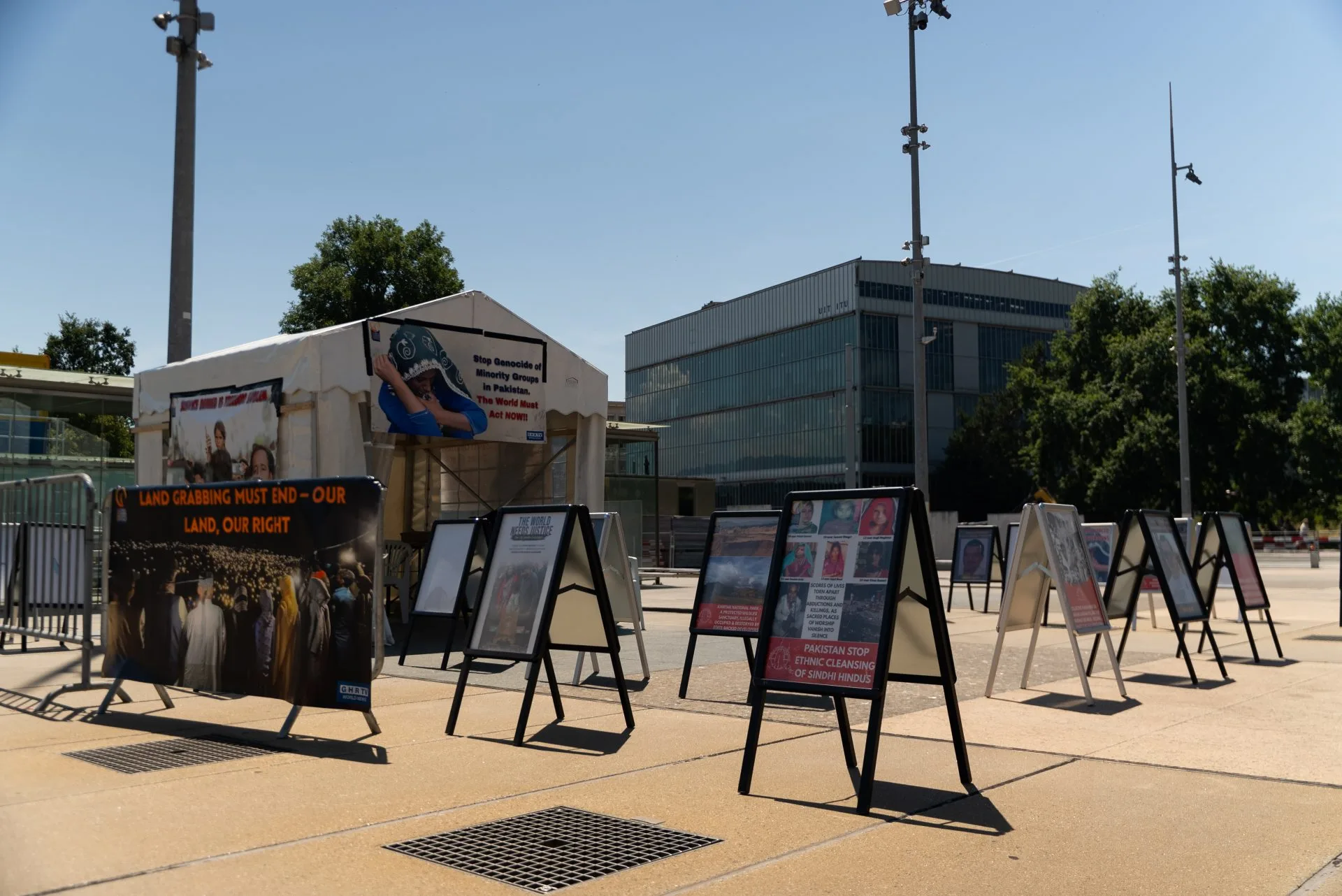
This exhibition highlights documented human rights violations against minority communities across Asia, including religious and ethnic groups facing discrimination, enforced disappearances, restrictions on freedom of religion or belief, and systemic marginalisation. Through testimonies, photographs, and case studies, it seeks to raise awareness and promote accountability at the United Nations Human Rights Council.
- GHRD Team
- 19 June 2026
- GSP+, Sustainable Development, Trade and Human Rights
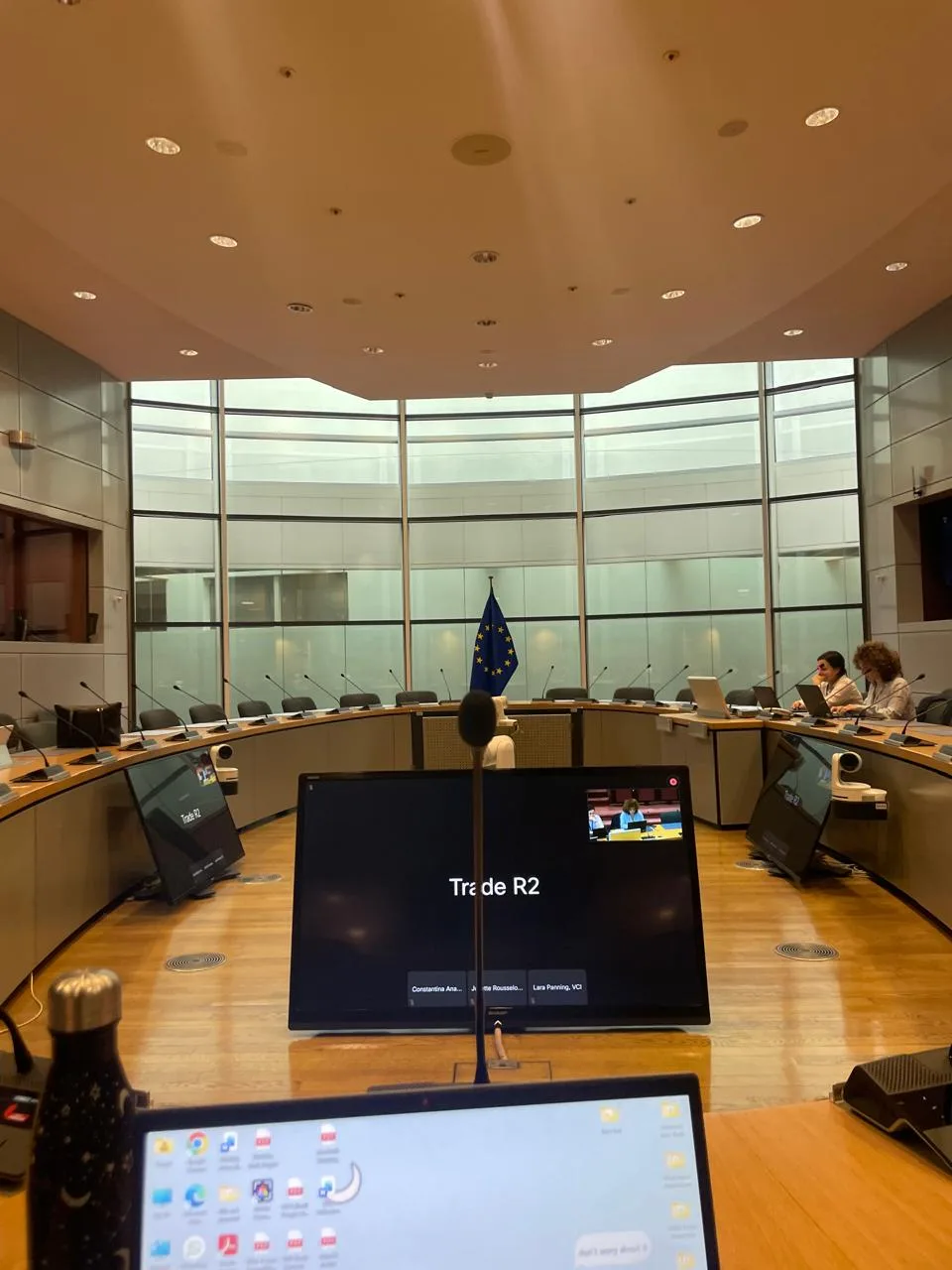
This press release summarizes discussions on the European Union’s revised Generalised Scheme of Preferences (GSP) framework ahead of its 2027 implementation. It highlights proposed changes to GSP+ eligibility, strengthened compliance and monitoring mechanisms, concerns regarding human rights performance in beneficiary countries, and the relationship between trade preferences and international human rights obligations.

- Middle East & Africa Team
- 19 June 2026
- Child Marriages, Decree Law, Women
In May 2026 the Taliban issued Decree No. 18, a divorce law that discretely gives child marriage a place in Afghanistan‘s legal system and treats a girl‘s silence as her consent. It also makes leaving a marriage far harder for women than for men. This article examines what that means.

- GHRD Team
- 15 June 2026
- UNHRC, UNHRC62, United Nations Geneva
The UN Human Rights Council opened its 62nd session in Geneva on 15 June 2026, with High Commissioner Volker Türk warning of an unprecedented assault on international law and calling for human rights to be placed at the core of responses to today’s gravest global crises.
- Middle East & Africa Team
- 15 June 2026
- Decolonisation, Right to Return, Self-determination
The Chagossians were forcefully displaced in 1971 and continue to be banned from returning. Last year, an agreement was reached between the UK and Mauritius on the return of the Chagos Islands. However, the subsequent question of whether the self-determination rights and the right to return of the Chagossians remain unanswered.
- Middle East & Africa Team
- 4 June 2026
- Community, Haratin, Slavery
Mauritania has banned slavery again and again, yet thousands of people are still born into it. Almost all of them are Haratin, who make up about 40 per cent of the country. The laws are strong, but the courts rarely convict slaveholders, and the activists who fight slavery are jailed more often than the people who keep them. This article asks why abolition has become impunity, and what must change.
- UN team
- 2 June 2026
- Accountability, Conflict-related sexual violence, Sudan
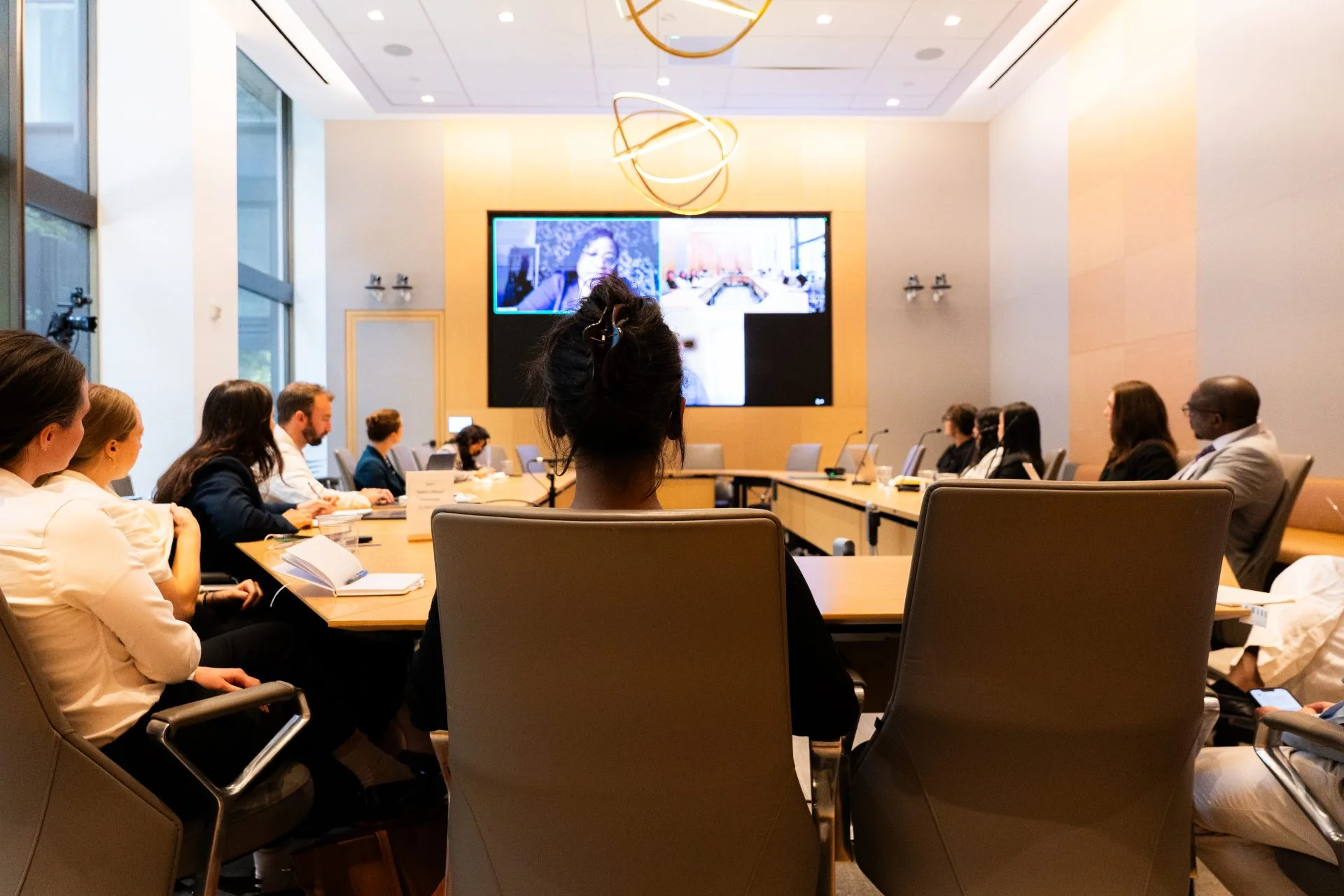
This press release highlights GHRD’s New York event on the conflict in Sudan, focusing on sexual violence, civilian targeting, displacement, and evidence collection. Speakers stressed that the international community has both the evidence and legal tools needed to pursue accountability, support survivors, and address the external actors enabling the conflict.
- Middle East & Africa Team
- 1 June 2026
- Abortion Rights, Reproductive Rights, Women's Rights
Kenya’s Court of Appeal recently delivered judgement denying the constitutional right to abortion. Despite its international obligations and domestic framework guaranteeing the right to health and equality for women, reproductive rights remain a highly controversial topic within the state. The importance of free and legal reproductive healthcare must be ensured to achieve women’s right to freedom, education, and dignity are protected.
- Asia Team
- 30 May 2026
- Bodily Autonomy, Gender Rights, Legal Reform
- GHRD Team
- 28 May 2026
- Ahwazi Arabs, Arab Identity, Minority Rights
This article examines the systemic discrimination faced by Iran’s Ahwazi Arab minority, focusing on the criminalisation of cultural identity, restrictions on language and expression, violent repression of protests, and the misuse of national security laws. It argues that these practices violate Iran’s obligations under international human rights law, including protections for minority rights, freedom of expression, fair trial guarantees, and the right to life.
- Sradhanand Sital
- 26 May 2026
- Human Trafficking, Modern Slavery
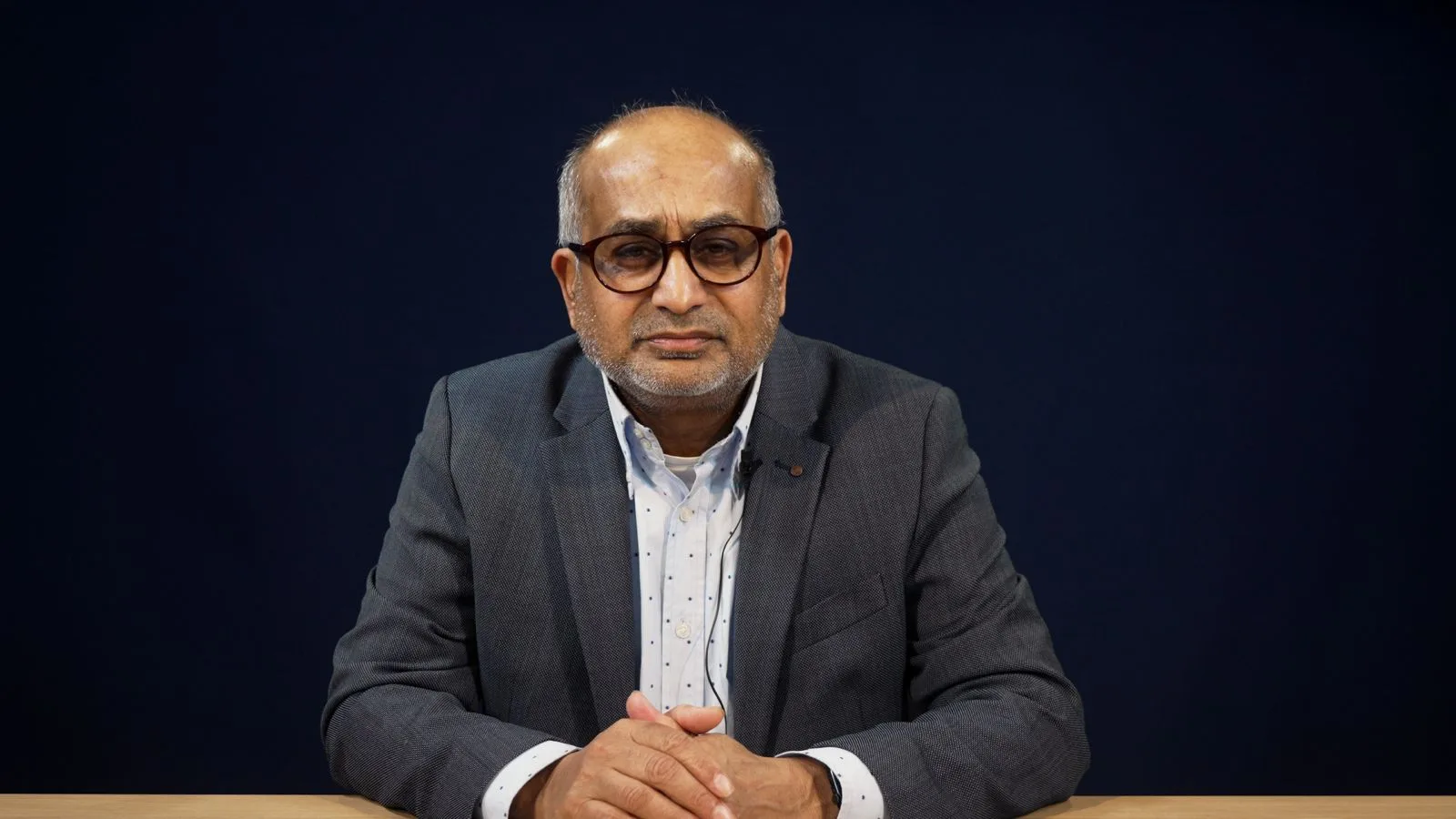
Human trafficking is a significant human rights violation, representing modern slavery, driven by criminal networks, corruption, and weak enforcement. Millions endure forced labor, sexual exploitation, and other abuses. As Chairman of Global Human Rights Defence (GHRD), I urge the international community to intensify efforts against human trafficking. Governments and organizations must collaborate to protect victims and prosecute traffickers. Recognized by the UN as a severe violation, human dignity cannot be compromised. Inaction only fortifies exploitative networks; collective action is essential for justice and protection of all lives.

- Asia Team
- 22 May 2026
- Accountability, Human Rights, International Justice
Rodrigo Duterte’s war on drugs campaign in the Philippines involved thousands of alleged extrajudicial killings and other crimes. Such actions have led the International Criminal Court to investigate and prosecute Duterte for his involvement. This article examines the ICC’s response to alleged crimes committed during Duterte’s campaign.
- Asia Team
- 22 May 2026
- Human Rights, Legal Discrimination, Religious Minorities
This article examines the human rights challenges facing religious minorities in Pakistan, particularly in relation to blasphemy laws and their impact on vulnerable communities. It analyses due process concerns, mob violence, and state responsibility, while assessing Pakistan’s obligations under international human rights law and proposing reforms to strengthen legal protections and accountability.
- GHRD Team
- 21 May 2026
- Human Rights, Journalism, Press Freedom
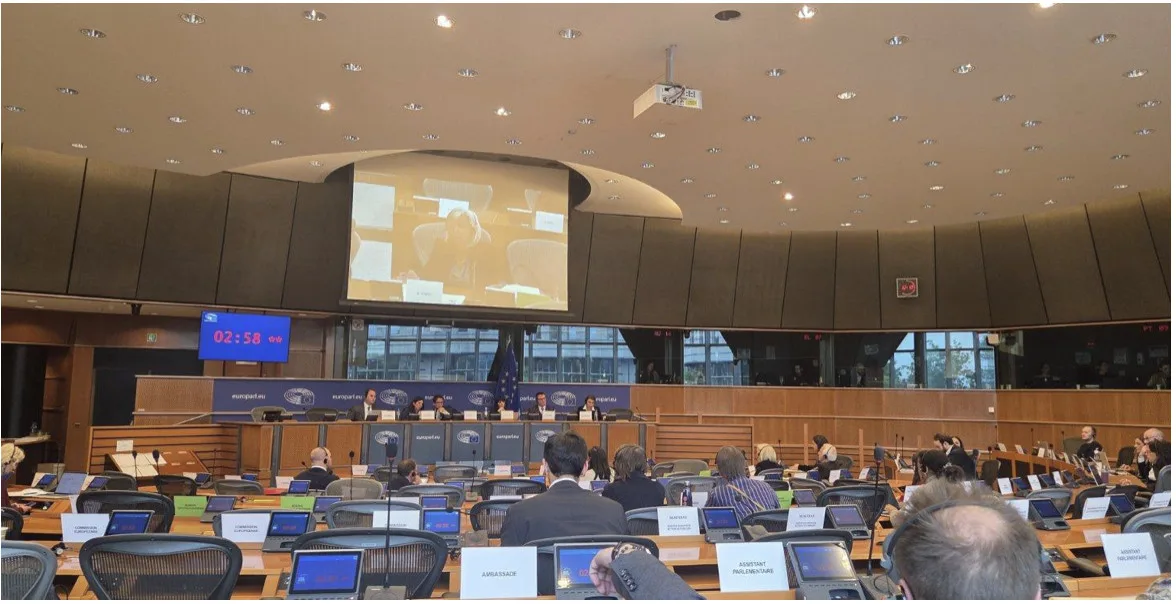
On the occasion of World Press Freedom Day 2026, the European Parliament highlighted the global decline of media independence due to violence, legal harassment, and AI-driven disinformation. Experts and lawmakers demanded the EU move beyond condemnation to concrete action, such as better funding distribution, monitoring internal violations of the Media Freedom Act, and using diplomatic leverage to protect journalists worldwide.

- GHRD Team
- 20 May 2026
- Gender Based Violence, Legal Reform, Women's Rights
Despite constitutional guarantees and international commitments, women and gender-diverse communities in Pakistan face a severe human rights crisis driven by institutional failure, rising physical and cyber violence, parallel customary justice systems and the weaponisation of penal laws.