
Reports
- GHRD Team
- 10 April 2024
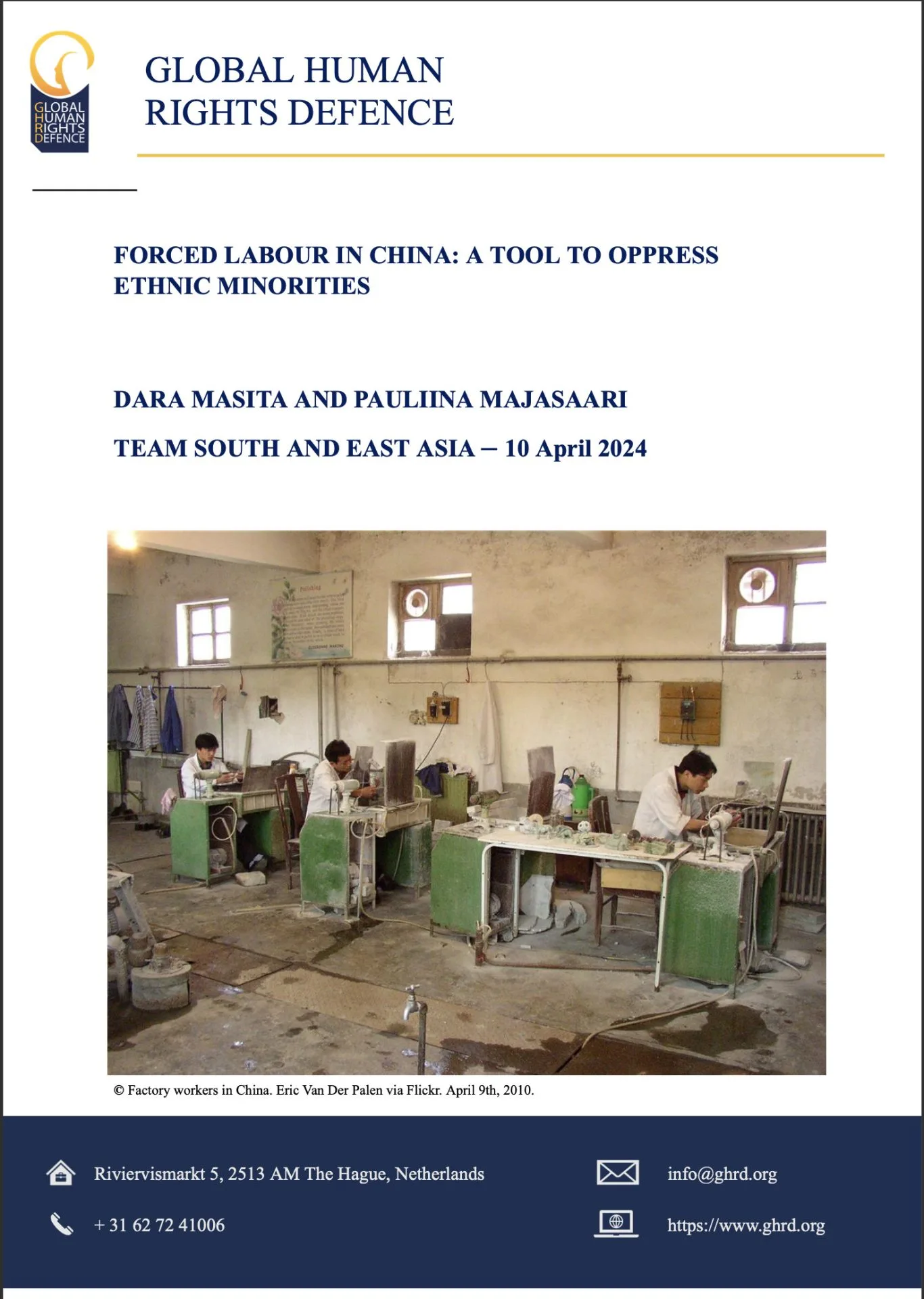
In today’s world, where the right to be free from slavery has been deemed a non-derogable
human right, all forms of slavery are expected to be abolished. Unfortunately, modern slavery
still exists, and there are around 50 million people today still stuck in slavery. 1 There are
several types of modern slavery, such as forced labour and human trafficking. 2 This report
will focus on state-imposed forced labour, highlighting China's utilisation of forced labour as
a tool to oppress ethnic minorities.
- Alexandra Posta
- 6 April 2024
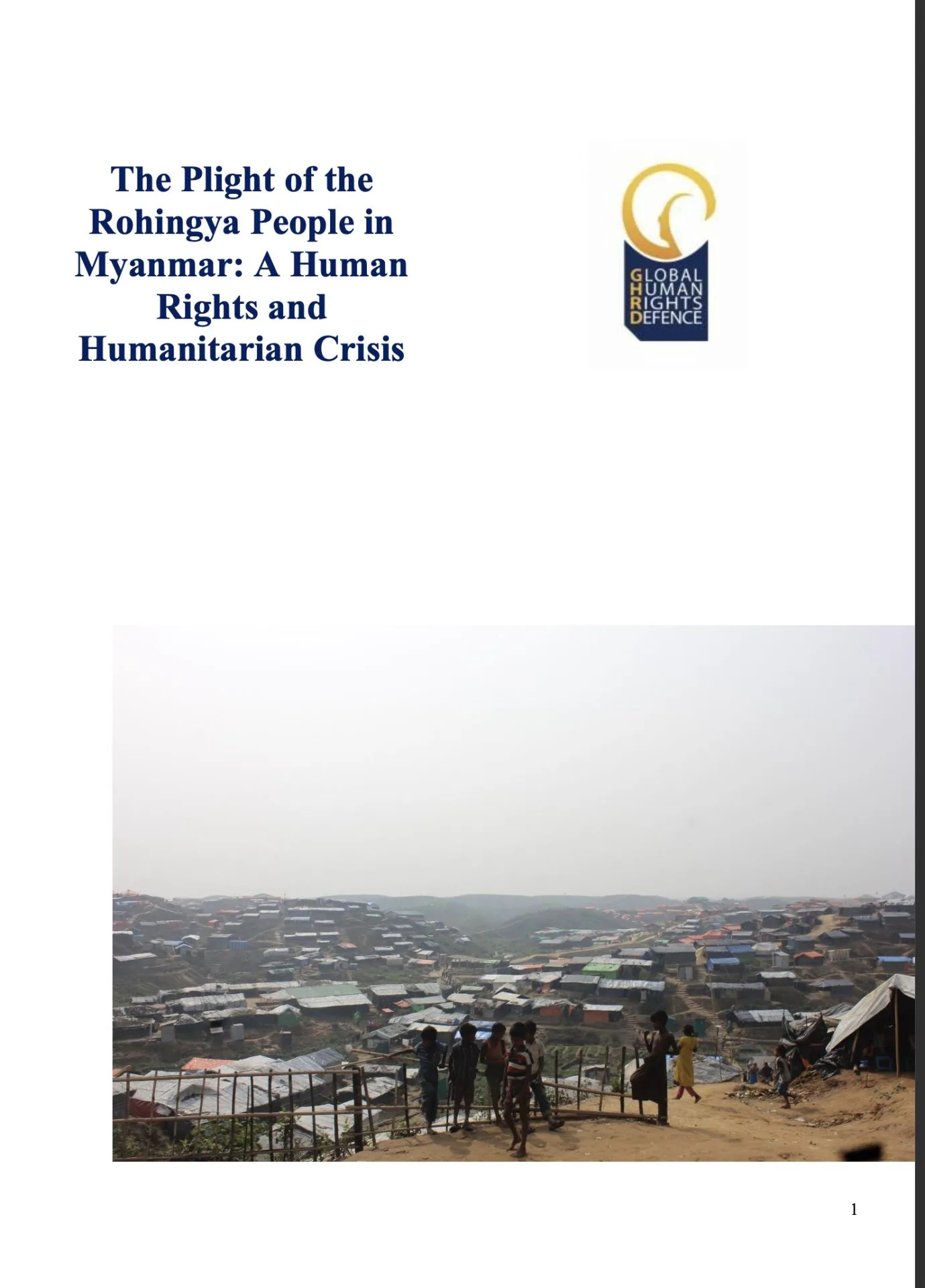
In the heart of Southeast Asia lies a tragic tale that has gripped the world’s attention – the relentless suffering of the Rohingya people in Myanmar. Their story epitomises one of the most pressing and complex human rights and humanitarian crises of our time. For decades, the Rohingya minority has faced systemic discrimination, violence, and displacement within their homeland, driving them to flee as refugees to neighbouring countries, including India and Bangladesh.
- Alexandra Posta
- 6 April 2024
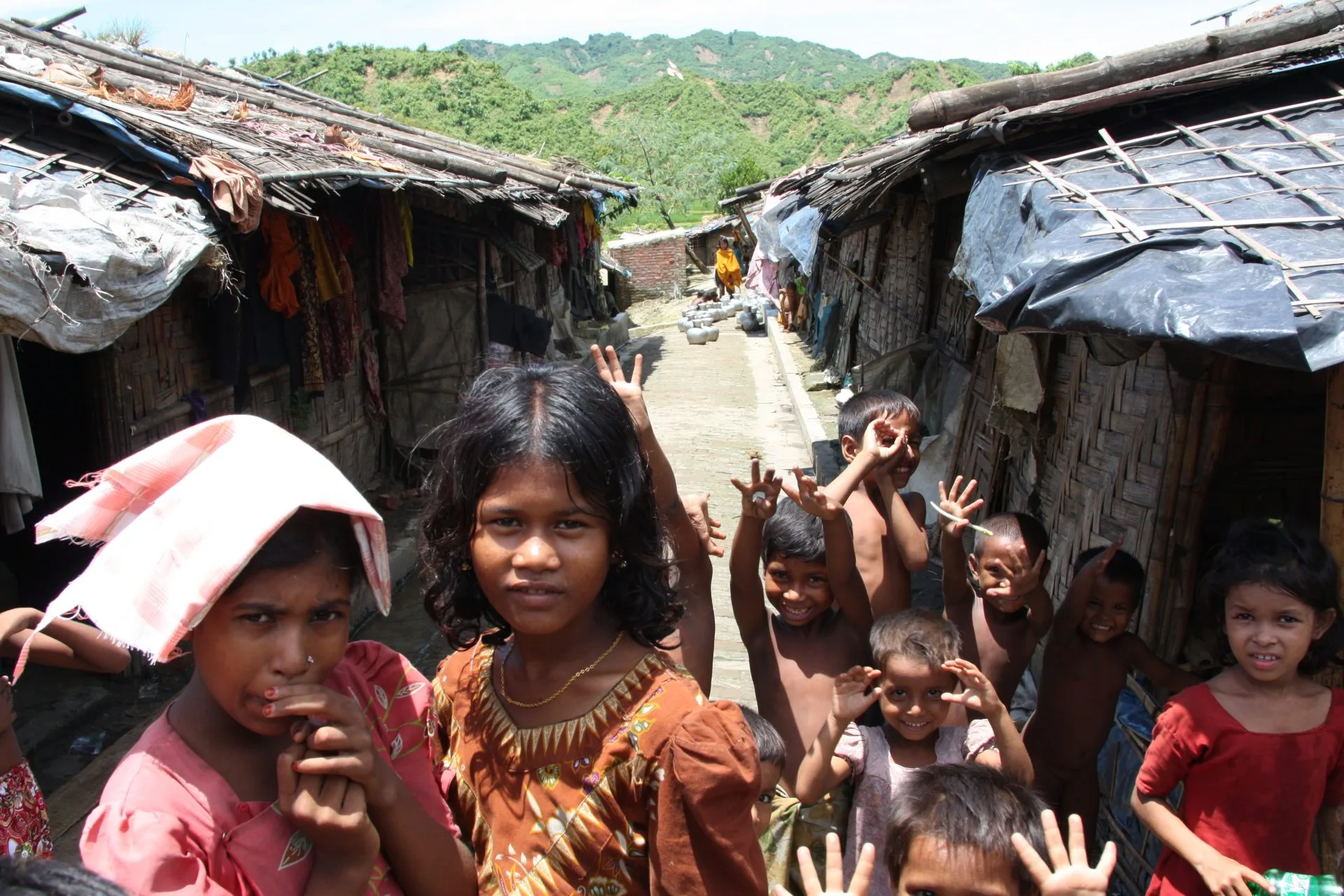
In the heart of Southeast Asia lies a tragic tale that has gripped the world’s attention – the relentless suffering of the Rohingya people in Myanmar. Their story epitomises one of the most pressing and complex human rights and humanitarian crises of our time. For decades, the Rohingya minority has faced systemic discrimination, violence, and displacement within their homeland, driving them to flee as refugees to neighbouring countries, including India and Bangladesh. The Rohingyaare a predominantly Muslim ethnic group residing in the Rakhine State of western Myanmar. Denying them citizenship and basic human rights, the Myanmar government has effectively rendered the Rohingya stateless, leaving them vulnerable to a range of abuses. This situation has escalated into a brutal cycle of violence, displacement, and human suffering that continues to unfold before the eyes of the international community.
- GHRD Team
- 7 November 2023
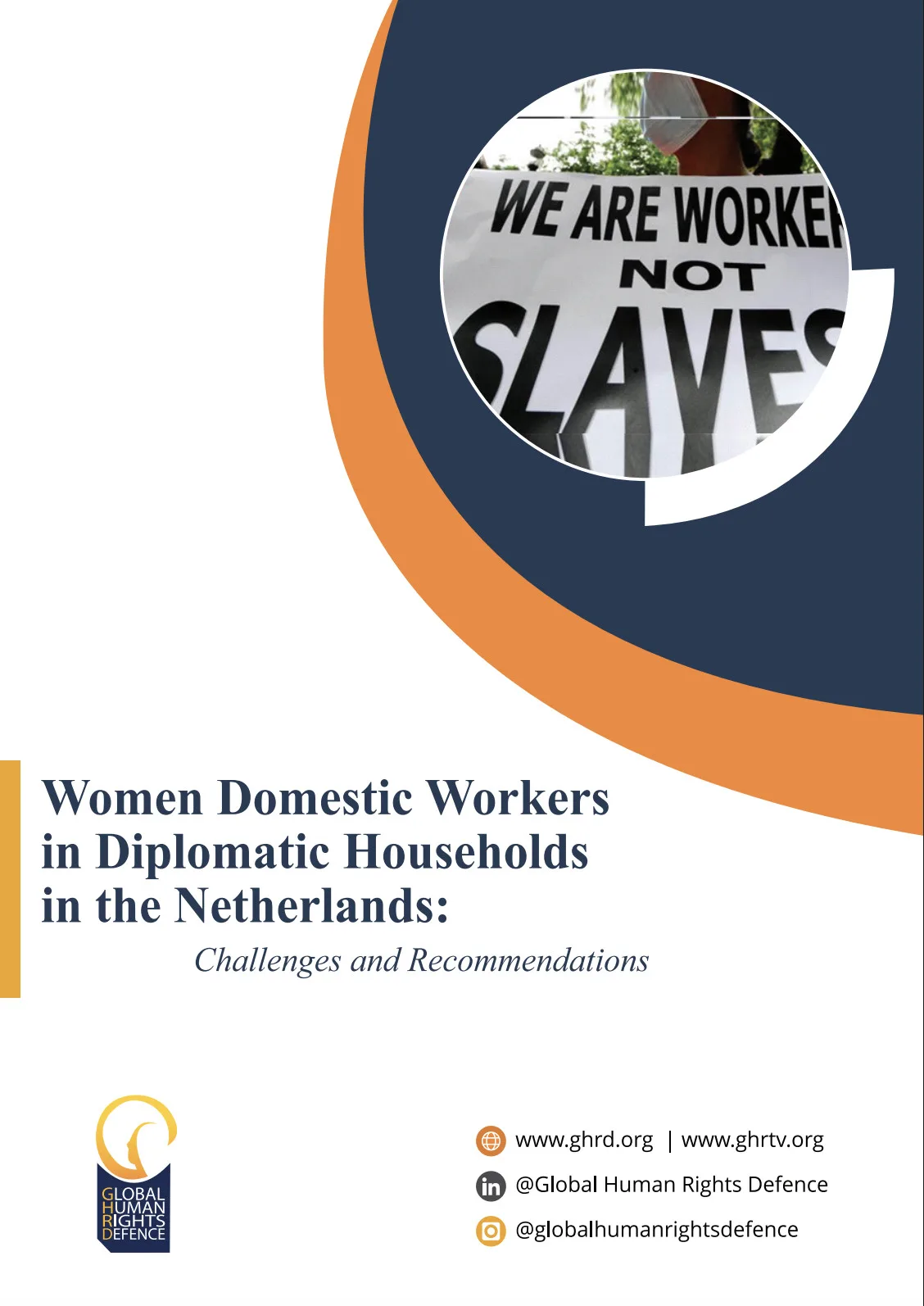
Migrant domestic workers face significant vulnerability as they are highly susceptible to abuse and exploitation, often enduring these injustices behind closed doors. This hidden nature of their plight makes it challenging for them to seek assistance and for outsiders to detect the abuse. In diplomatic households, which serve as residences for international diplomats and embassy staff, women domestic workers are commonly hired to carry out diverse household responsibilities. Tackling this issue poses a serious and complex challenge for host governments (Human Rights Watch, March 21, 2014).

- GHRD Team
- 30 October 2023
Human trafficking is a complex and dynamic issue that constitutes a tremendous human rights violation, and it is prohibited under numerous treaties and conventions. According to the Counter Trafficking Data Collaborative, there are currently 156,330 individual human trafficking cases across 189 countries of exploitation and 187 nationalities (CTDC, 2023). In terms of global distribution, Eastern Europe is the region where the majority of victims are from, including Romania, Ukraine, Russia and Bulgaria
(UNODC, 2022).
However, he number of detected victims had decreased for the first time due to the COVID-19 pandemic. For example, trafficking with the purpose of sexual exploitation decreased by 24 percent compared to 2019. It is suggested that this happened because the pandemic either led to a decrease in trafficking for sexual exploitation as a result of lockdown procedures, and/or there was a decrease in the ability to identify this type of crime (UNODC, 2022). One way or another, one of the greatest challenges in developing adequate policies and responses is the lack of reliable data, especially about the number
of victims and their profiles. The majority of human trafficking court cases are filled by victims who manage to exit exploitation on their own, evidencing how the scope for action in identifying and eradicating the issue remains limited (Migration Data Portal, 2023; UNODC, 2022).
Women and girls are disproportionately affected by human trafficking, which corresponds to the large majority of identified victims. In 2020, 60 percent of the total number of detected victims were women and children, and for every 10 victims detected, four were adult women and two were girls. The risk of physical assault is also higher for female and child victims during trafficking. They are three times more likely to suffer explicit or extreme violence compared to men. In addition, trafficking for sexual exploitation is the most common form of trafficking worldwide, corresponding to 54 percent, and has women as the main targets. Of all sexual exploitation victims, 96 percent are female. Human trafficking has explicit gender motivations and violates women’s human rights (ICAT, 2017; UNODC, 2022).
The root causes of the disproportionate impact of human trafficking on women and girls are plentiful. For example, gender inequality in educational and employment opportunities or limited control over financial resources can exacerbate the vulnerability of women and girls to trafficking. Furthermore, gender-based violence and cultural norms that normalise such violence are also contributing factors. The presence of discriminatory labour or migration laws can restrict women’s mobility and their capacity to change jobs, pushing them towards seeking employment in unregulated and informal sectors. As a result, women become more susceptible to the risks of trafficking and exploitation. Finally, conflict, post-conflict settings, and humanitarian crises are risk multipliers for women and girls as they are more exposed to exploitation in the absence of the rule of law and more frequently targeted by armed groups for sexual slavery, domestic servitude, and forced and child marriages (ICAT, 2017). In conflict contexts, the escalation of poverty and limited economic prospects further enhances the vulnerability
of women to trafficking. For instance, the current conflict in Ukraine has led to the largest forced population movement in Europe since the Second World War, with over 6 million people seeking refuge in neighbouring countries. Among these refugees, approximately 90 percent are women and children, making them highly vulnerable to human trafficking as throughout their migration journey, women face gender-specific vulnerabilities and risks that increase their susceptibility to trafficking
The present report aims to shed light on the specific context of human trafficking throughout European, in light of Article 4 of the European Convention on Human Rights (ECHR), which prohibits slavery, servitude, and forced and compulsory labour, but does not explicitly mention the prohibition of human trafficking. It also seeks to emphasise the gender dimension of human trafficking and showcase the special vulnerabilities of women and girls in this regard. The challenges of prosecuting human
trafficking have been due to the lack of international agreement on the definition of human trafficking, resulting in the failure to prosecute this kind of human rights violation until the early 2000s. Since then, however, through the jurisprudence of the European Court of Human Rights (ECtHR), the concept of trafficking in human beings has gained greater clarity and uncovered the gender aspect of human trafficking, specifically in cases involving sexual exploitation and forced prostitution.
Consequently, this paper revolves around three legal cases from the ECtHR where violations of Articl e4 of the ECHR were established, concerning human trafficking related to sexual exploitation and/or forced prostitution. The paper consists of two parts. Chapter 1 seeks to provide a general overview of the content of Article 4, the positive obligations of State Parties, and the challenges of the prosecution of human trafficking in this regard. In Chapter 2, three legal case studies are presented which are
crucial to understand as they have set precedents for subsequent convictions of trafficking crimes at the European level. For example, through these judgments, the ECtHR has ruled, inter alia, that human trafficking falls within the scope of Article 4 of the ECHR, clarified the positive obligations upon State Parties, and identified the three constituent elements of the international definition of human trafficking, while in all instances highlighting the gender dimension of human trafficking.

- GHRD Team
- 24 October 2023
Humanity: A word that the world ought to have grasped the meaning of a long time ago, yet a word which is often forgotten and ignored for the sake of political and economic interests. It can therefore be difficult to maintain or, in some cases, to restore something that everyone is so prepared to kill in the first place. At the same time, giving up the one thing that makes us who we are as humans is just as difficult.
In the face of endless wars and atrocities, precisely for the above-mentioned reasons, the rules of war, jus in bello, also formally known as International Humanitarian Law (IHL), appeared on the international scene to regulate the conduct and responsibilities of parties to armed conflicts towards each other and, most importantly, towards protected persons (Maiese, 2023). To put it more succinctly, there is a clear intention to ensure a certain level of protection of humanity, minimise suffering, and
save lives during armed conflicts by obliging States at the international level to comply with the laws of war (ICRC, 2016).
Amidst the ongoing conflict between Israel and Hamas, many crucial questions relating to IHL are being raised. These rules of war are being constantly referenced, but what do they actually mean? To what extent does IHL protect non-combatants and civilian objects in contemporary conflicts, such as in the war between Israel and Hamas?
- GHRD Team
- 7 October 2023
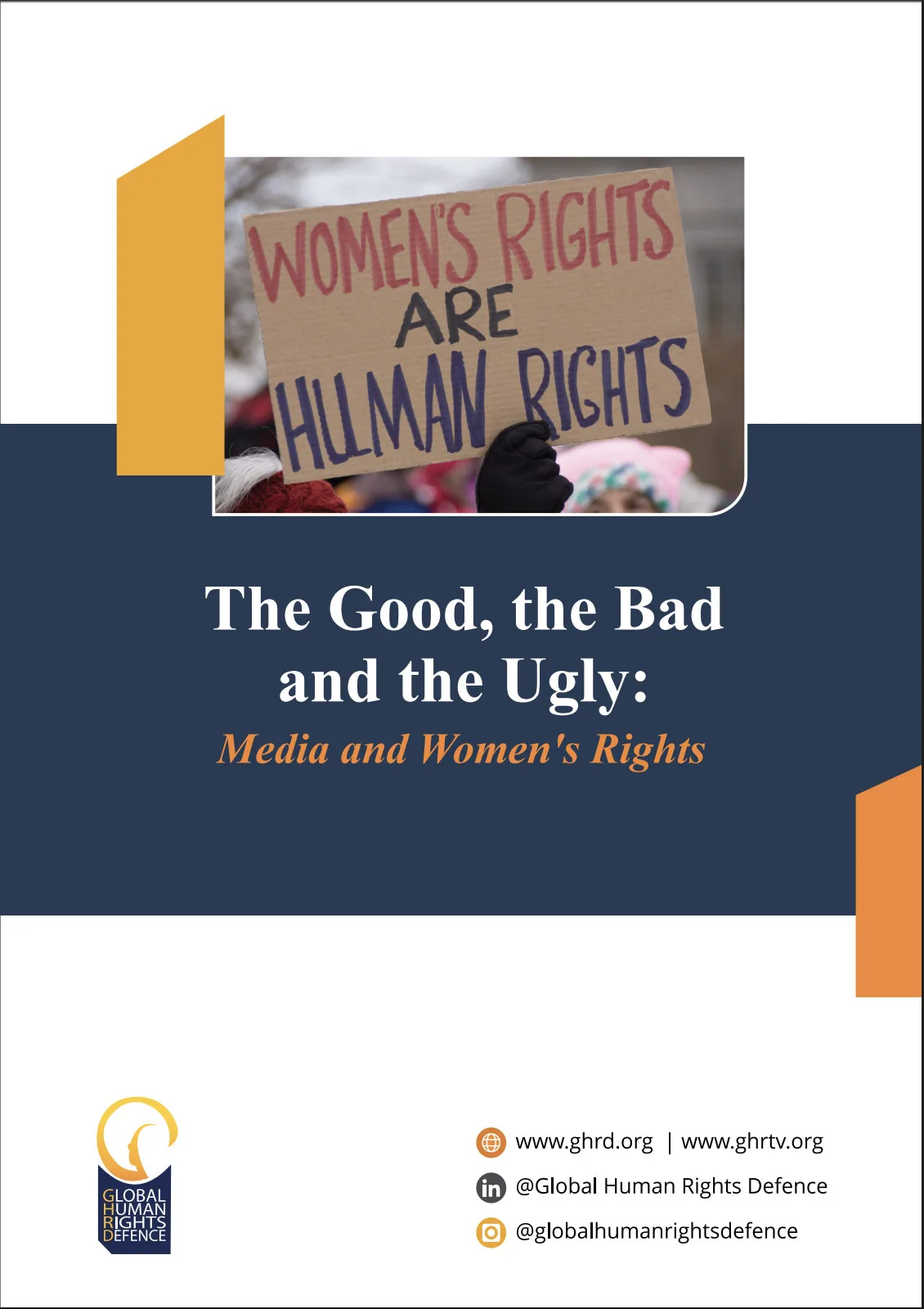
As technology has advanced greatly in the past century, the scope of media has expanded as well. Media encompasses various components of mass communication in society, from its beginnings in print media and publishing, to photography, broadcasting, news media, digital media, and more. As such, the media has and continues to play a significant role in shaping societal perceptions. It is commonly referred to as the fourth estate or power due to its explicit and implicit role in framing political issues and discussions. Alongside the evolution of media, various socio-political movements have also taken place, such as the women’s rights and feminist movements. Though the two movements are at times very interconnected and used interchangeably, it is important to distinguish between the two; while the women’s rights movement revolves around the legal and institutional aspect focusing on rights, feminism is the broader movement that includes women’s rights but goes further to examine ideologies such as sexism, patriarchy, oppression, and gender.
- GHRD Team
- 7 August 2023
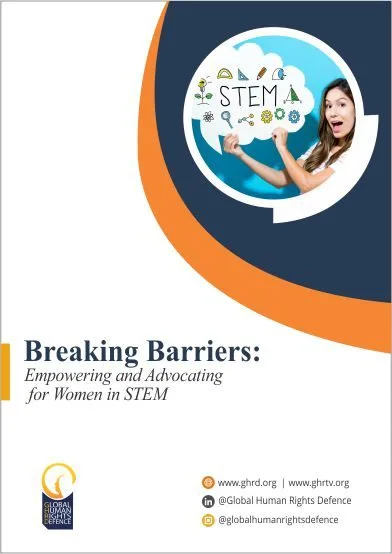
The women’s rights team at the Global Human Rights Defence (GHRD) aims to highlight violations
in women’s rights as well as champion them to increase their implementation globally. The broader
themes focused on in this interview report are gender disparity, equal opportunity, and discrimination
of girls and women in the fields of science, technology, engineering, and mathematics (STEM) given
their historical male dominance and lack of female participation. To gain first-hand experience and
insight into women’s experiences in education and working in STEM, the women’s rights team at
GHRD interviewed Mylène Brown-Coleman, a final year Artificial Intelligence student at the Vrije
Universiteit Amsterdam (VU Amsterdam). She is deeply committed to her work in the field of Artificial
Intelligence, Software Development, and empowering women within Computer Science.
Early in her career, Mylène gained hands-on experience as a Software Testing Intern at Solera. She
then took a leap into the data analysis domain, joining Morningstar as a Data Analyst Intern. Her
professional journey also led her to Adyen, where she served as a NextGen Desktop Support Engineer,
offering technical support and further sharpening her problem-solving skills.
In academia, Mylène has made a significant impact at VU Amsterdam, where she held multiple
teaching assistant roles. Through these positions, she had the opportunity to share her insights on
Data Structures & Algorithms and Intelligent Systems with fellow students. She is also Vice Chair
and co-founder of the diversity committee within her study association and pioneered for the first
hackathon for women at a Dutch university. Mylène continued to broaden her experience by securing a
position as a Software Engineer Intern at Momentive.ai. Currently, she is applying her AI and software
development expertise as an Artificial Intelligence Intern at the City of Amsterdam.
In addition to her rich professional experiences, Mylène has been recognis ed with several
honours, including the VGHC EMEA Student Scholarship, the Nutanix Heart Women in Technology
Scholarship, and the Generation Google Scholarship. These awards have celebrated her academic
prowess, leadership skills, and commitment to community involvement.
Mylène Brown-Coleman’s journey paints a picture of a dedicated and ambitious individual making
strides in the world of AI and software development. Her consistent growth and contributions to both
academia and industry are testaments to her passion and drive in this evolving field.
- GHRD Team
- 5 July 2023
Since the 19th century, the women’s rights movement has championed the rights and entitlements of women and girls all over the world. The movement has advocated for a number of rights, such as the right to vote and to hold public office, freedom from sexual violence, equal pay, bodily and reproductive autonomy, access to education and property ownership, and overall gender equality. Great advances have been made for women and girls in the decades since.
However, the women’s rights movement has historically failed to acknowledge the intersectionalities of so many women, such as race, sexuality, gender identity, age, migration status, and so on. As such, it is imperative to move away from the mainstream, middle class and white-dominated feminist movement which has often excluded women of colour and those of a less advantaged socioeconomic status, and to instead broaden the scope of inclusion to all women, regardless of their background. The path forward must include the experiences of all women, and ensure that rights are guaranteed for all, not just a select, privileged few. As the American writer and activist Audre Lorde stated, “I am not free while any woman is unfree, even when her shackles are very different from my own.”
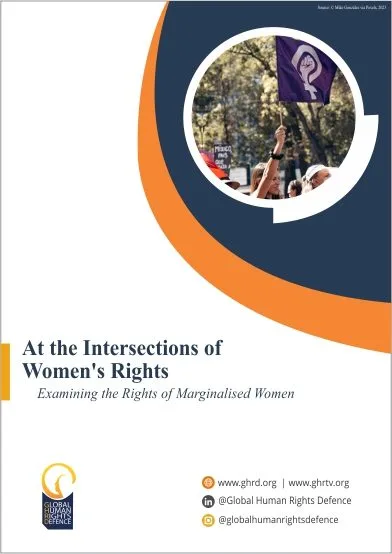
The need to shed light on the grievances of those groups of women who have historically been, and continue to be, underrepresented by the traditional feminist movements, is unquestionable. This is especially true for women belonging to the more vulnerable subsets of society, whose demands for change are often unheard. As such, the purpose of this report is to illuminate the experiences of those women: migrant women, women with disabilities, transgender women, and sex workers, for instance.
While women around the world have many of the same qualms against sexism, misogyny and the patriarchy, the specific and sometimes distinct needs of different groups of individuals must be addressed. It must always be remembered that, for the women’s rights movement to truly achieve equality for all, it is important to be intentional about inclusion and look at women’s rights through an intersectional lens in order to advance the rights of all women.
- GHRD Team
- 30 June 2023
The achievement of gender equality and the empowerment of women and girls is a priority in today’s society, as adopted in Sustainable Development Goal 5. The realisation of this goal also implies the assurance of equal and safe participation in, as well as access, of women to media and technology.
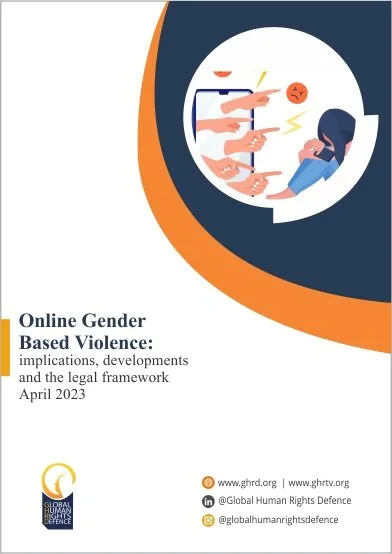
However, the increase in access to the participation of women online creates new challenges, includ- ing their vulnerability to online violence. These new forms of violence against women are referred to as online gender-based violence (OGBV). In summary, it consists of every form of violence that is directed against women and carried out in the digital sphere, which may take different forms, such as cyberstalking and cyber harassment.
The present Report aims at providing a comprehensive overview of the contemporaneous issue of online gender-based violence. For such means, in the first chapter, the problem will be investigated, addressing the concept of OGBV and the main aspects surrounding this issue. Furthermore, it will explain the different forms that OGBV can take, as well as who is affected by such violence, and the consequences it may lead to.
Chapter 2 moves to the examination of the effects of the COVID-19 pandemic, since the restrictions imposed due to the pandemic were a factor that contributed to an increase in violence against women and the use of technology, therefore directly impacting OGBV.
In Chapter 3, the forms of the legal protection of women from OGBV will be analysed, mainly through an analysis of the international legal framework. This chapter will also briefly address the means of protection provided in regional systems and domestic legislation, which are also essential factors for the effective combating of OGBV.
The fourth and last chapter moves to the explanation of the main challenges faced regarding the pro- tection of women from OGBV, including the lack of specific legislation and the absence of adequate training in judicial systems. Lastly, it elaborates recommendations for different stakeholders involved in the issue of online violence against women, aiming at contributing to the efficient prevention and suppression of OGBV.