
Articles
- GHRD Team
- 23 January 2026
- Elections, Human Rights
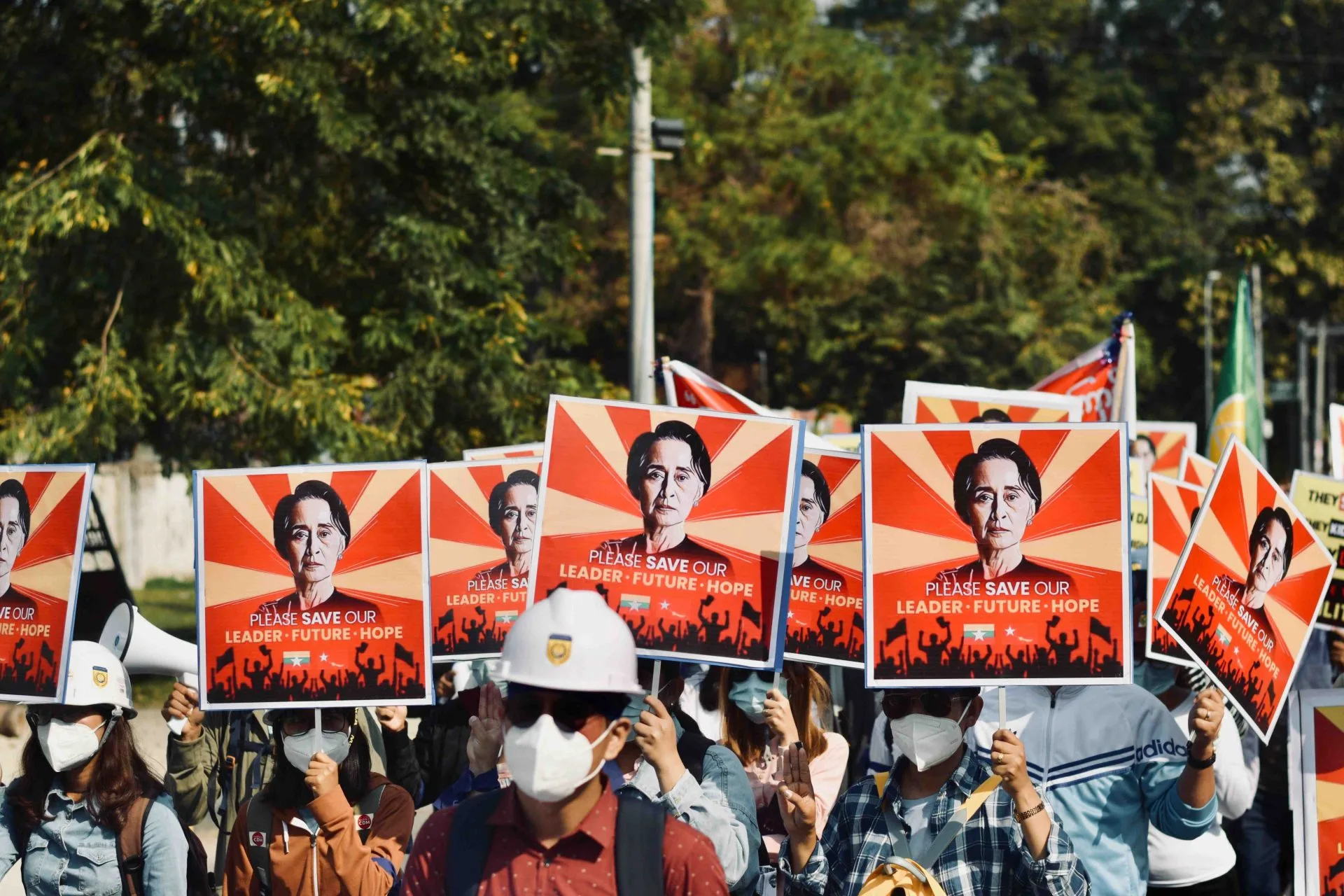
The recent 2025-2026 Myanmar general elections were conducted under military control, in a fragmented and insecure environment. Many townships, particularly in ethnic minority regions, were excluded from voting, while opposition parties faced disqualification under restrictive laws. Coercion, repression, and limited access to political participation render the election unfree and unfair, in violation of international standards.
- GHRD Team
- 19 January 2026
- Hindu Community, Kashmir, Terrorism
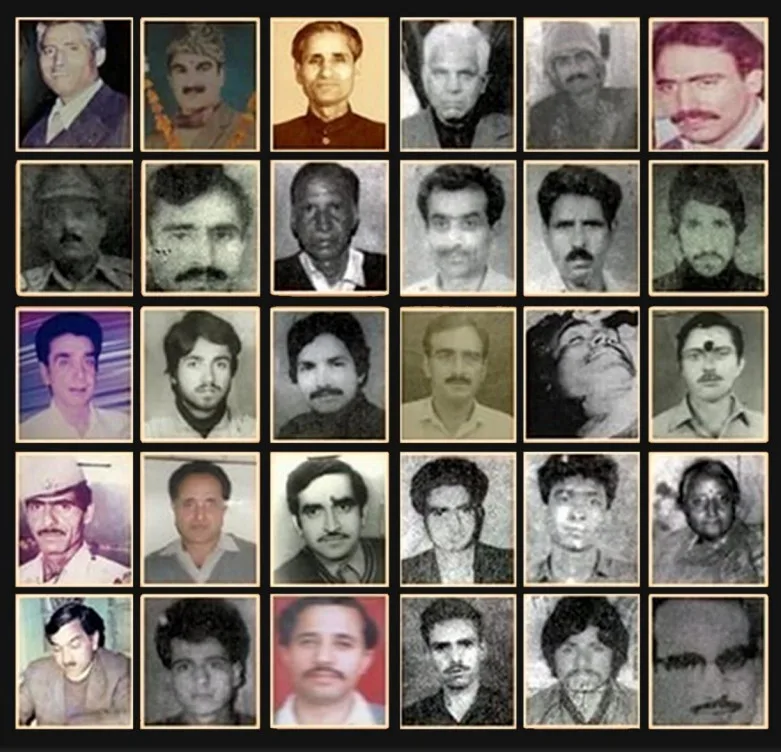
The report exposes the systematic ethnic cleansing of Kashmiri Hindus, framing their displacement as a coerced outcome of targeted killings, sexual violence, intimidation, and terror—not voluntary migration. It applies tribunal-tested legal standards to show that leaving the Valley was not a choice but a forced act, documenting crimes including murder, rape, and property destruction. The brief highlights the role of Pakistan-backed militant networks and local separatist groups in enabling persecution, offering a legal roadmap to hold perpetrators accountable under international law, including crimes against humanity and war crimes.
- GHRD Team
- 12 January 2026
- Conflict Zone, Direct attack, Healthcare
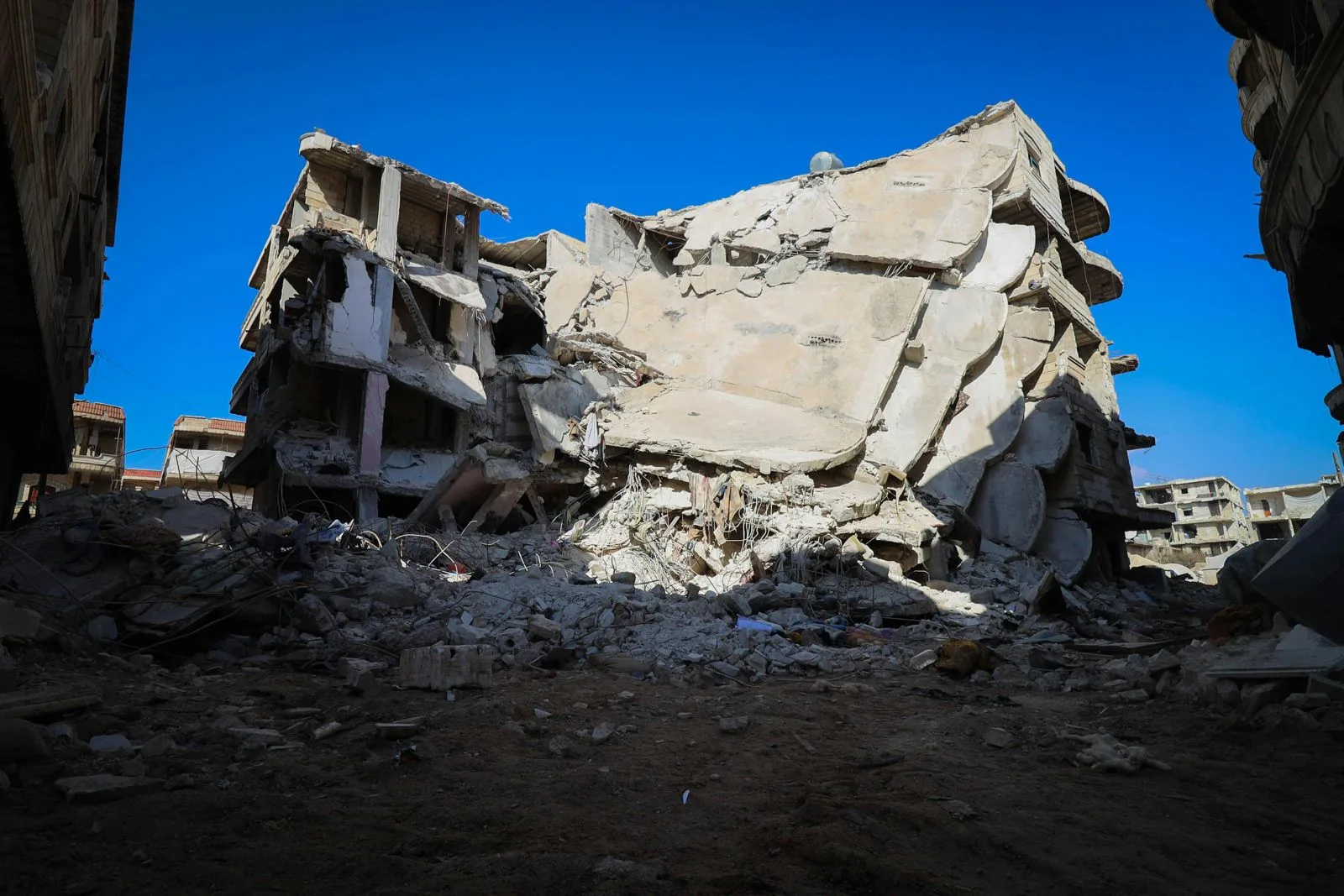
While international law defines health as a fundamental pillar of human dignity, the systematic targeting of hospitals and doctors across Gaza, Syria, and Lebanon reveals a deliberate dismantling of the systems that sustain life.
- GHRD Team
- 6 January 2026
- Blasphemy Laws, Kashmir, Religious Minorities
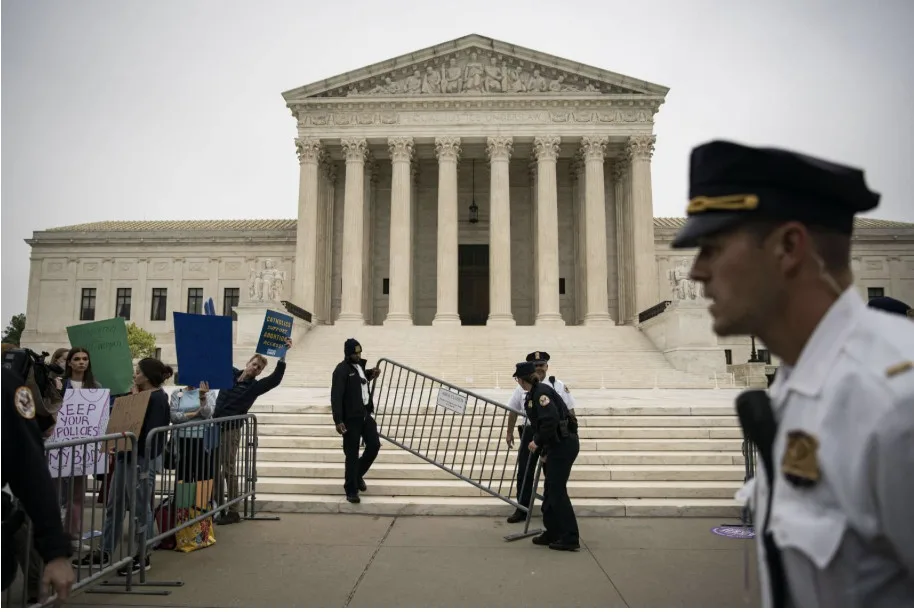
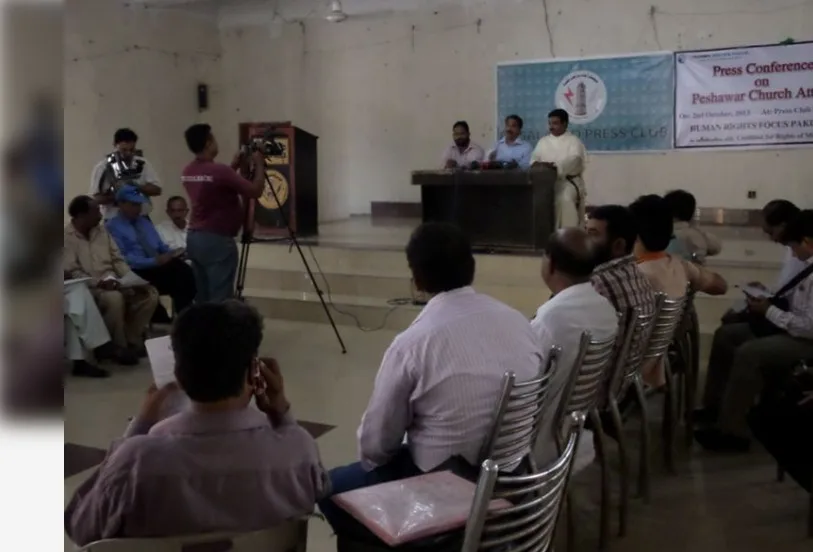
Human Rights Focus Pakistan (HRFP) strongly condemns the attack on a Church in Ghanaykay village, Kasur, where the Holy Bible was desecrated and the premises vandalised, spreading fear among the local Christian community. HRFP calls for swift and transparent justice, stressing that accountability must go beyond arrests to uncover motives and accomplices. The organization urges concrete measures to protect religious minorities and places of worship, highlights the urgent need to counter religious intolerance and hate-driven violence, and reiterates its demand for the abolition of Pakistan’s blasphemy laws, which are widely misused and have led to grave human rights violations.


- GHRD Team
- 19 December 2025
- GHRD Team
- 17 December 2025
- Elections, Repression
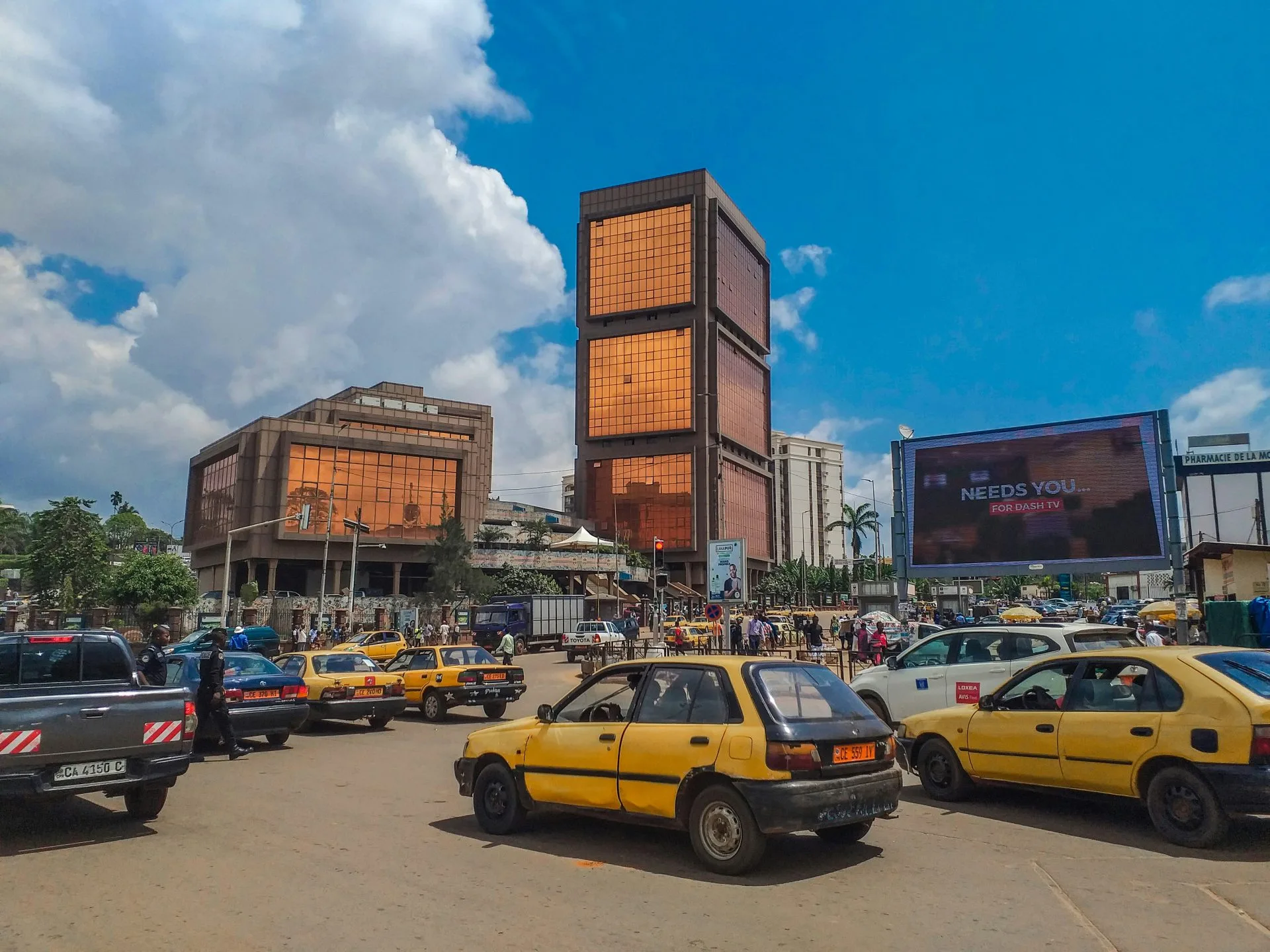
Cameroon’s 2025 election extended Paul Biya’s 43-year rule amid allegations of fraud, repression, and killings. Opposition leaders rejected results, protests erupted, and security forces used lethal force. Longstanding authoritarianism, Anglophone conflict, mass arrests, and international concern underscore a deeply flawed electoral process and worsening human rights crisis, nationwide instability persists.

- GHRD Team
- 15 December 2025
- Climate Crisis, Climate Rights, Youth Empowernment
Global Human Rights Defence (GHRD) highlighted the link between climate action and human rights at The Hague Talks on December 15, 2025. Discussions addressed climate change as a human rights and security issue, emphasizing the need for ethical responses to systemic inequalities. Key points included the risks of ignoring ethical considerations in climate strategies, critiques of profit-driven economic models, and the role of youth in climate justice. GHRD advocates for climate actions that promote equality and involve affected communities in decision-making.
- GHRD Team
- 12 December 2025
- Child Marriage, Forced Conversions, Minority Rights
Sindh continues to face alarming human rights challenges, particularly affecting young girls from marginalised and minority communities. Despite existing laws, child marriage and forced religious conversions remain widespread due to weak enforcement, political resistance, poverty, and entrenched social norms. This article outlines the structural causes behind these violations and highlights the urgent need for stronger protections, accountability, and coordinated efforts to safeguard vulnerable girls in the region.
- GHRD Team
- 12 December 2025
- Femicide, Gender Based Violence, Legal Reform
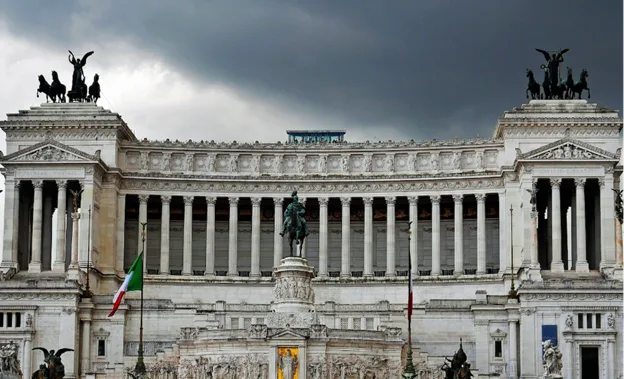
Italy has taken an important step in combating gender-based violence by officially recognising femicide as a distinct criminal offence punishable by life imprisonment. Passed on the International Day for the Elimination of Violence Against Women, the law reflects years of activism and marks a turning point in how the country addresses systemic violence against women. GHRD welcomes this milestone and its potential to enhance justice and prevention.
- GHRD Team
- 12 December 2025
- Child Poverty, Children's Rights
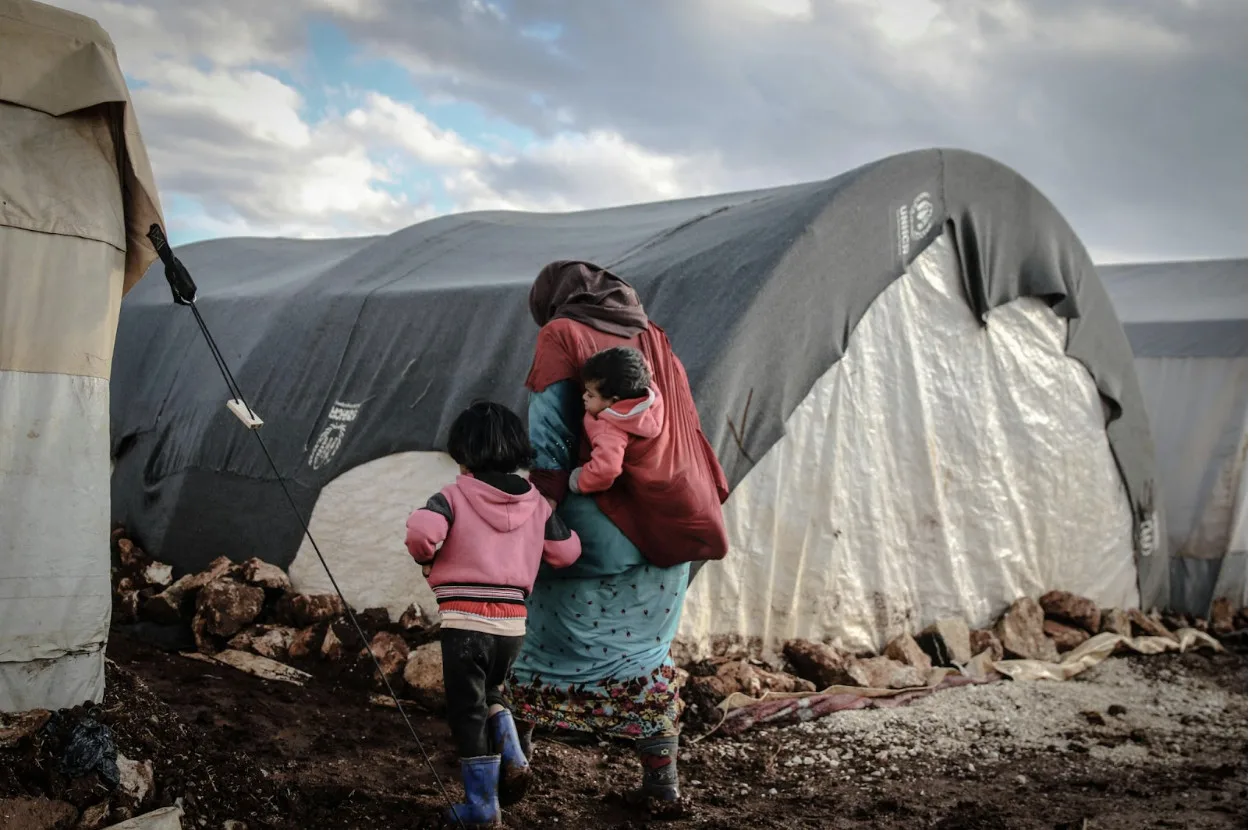
Child poverty is a significant yet overlooked issue, impacting millions globally despite legal frameworks that recognize it as a violation of human rights. The article emphasizes that poverty affects not only the economic well-being of children but also their development and future opportunities. Various international treaties, including the Universal Declaration of Human Rights and the Convention on the Rights of the Child, obligate governments to ensure every child’s access to essential needs like nutrition, education, and healthcare. The persistence of child poverty, particularly in the EU where over 20 million children are at risk, highlights the gap between laws and actual conditions, urging a need for political accountability and effective resource allocation to improve the lives of affected children.
- GHRD Team
- 10 December 2025
- European Parliament, European Union (EU), Youth Empowernment
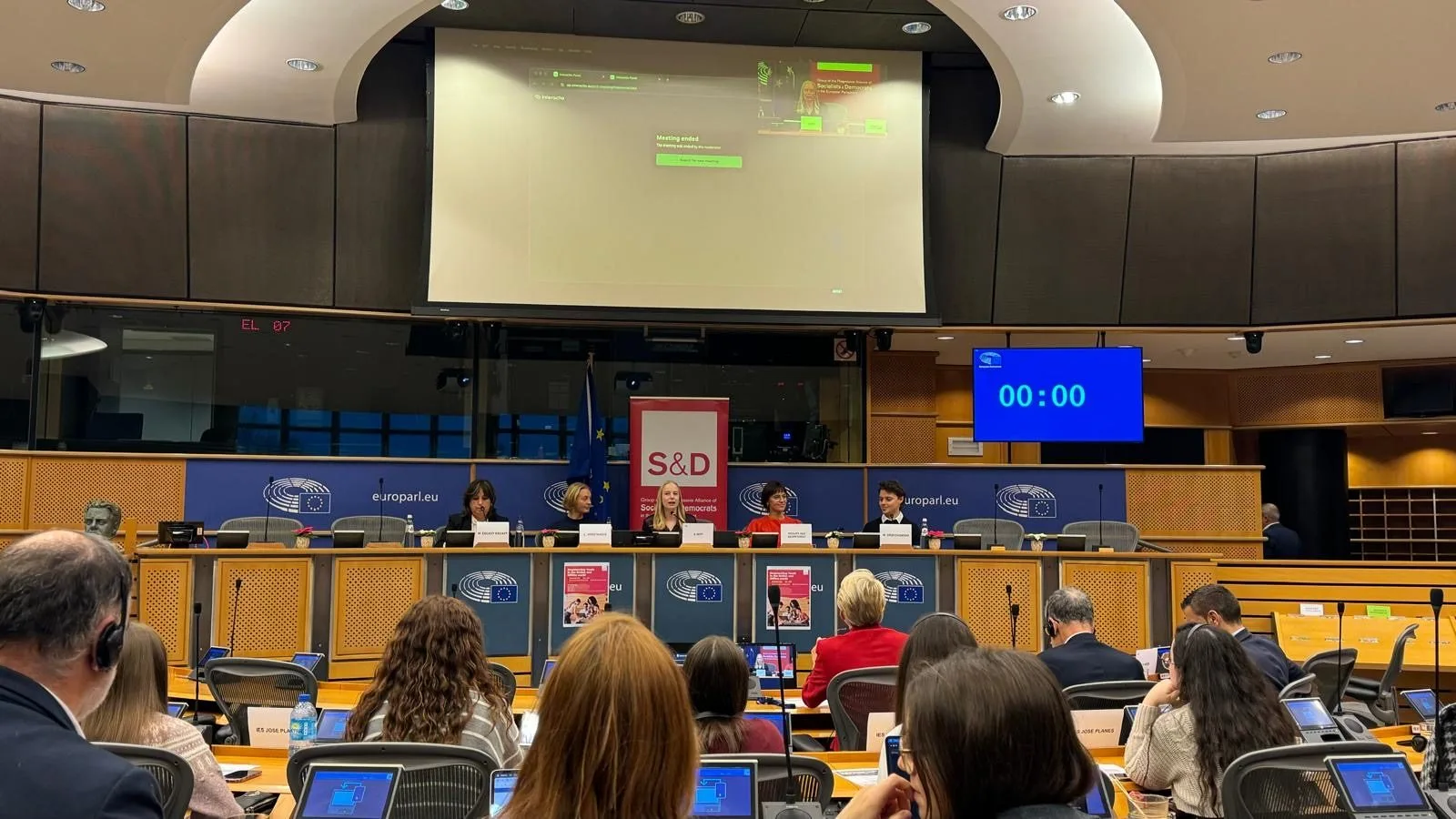
The event at the European Parliament on December 10, 2025, focused on youth empowerment, addressing challenges such as misinformation and digital media manipulation. Experts emphasized the need for media literacy and effective regulatory frameworks, like the Digital Services Act, while noting gaps in current laws. Concerns about a child protection crisis related to social media’s impact on minors were discussed. The EU aims to empower youth through inclusion and active participation in decision-making, highlighting the significance of youth empowerment for the future of European democracy.

- Alejandra Martínez Otero-Saavedra
- 10 December 2025
- Alejandra Martínez Otero-Saavedra
- 10 December 2025
- Balkans War, History, International Humanitarian Law
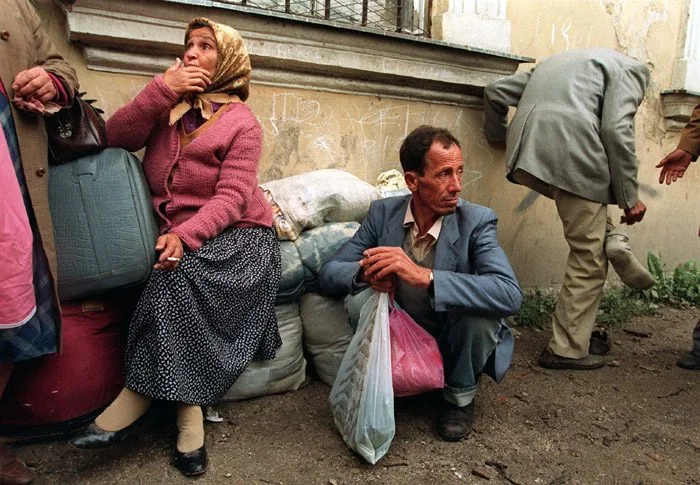
The breakup of Yugoslavia in the 1990s reactivated nationalist tensions and led to the war in Bosnia. During the siege of Sarajevo, reports emerged of so-called “human safaris,” in which foreign individuals allegedly paid to shoot at civilians from the surrounding hills. Italian writer Ezio Gavazzeni brought these allegations to justice, and testimonies and documents from the Hague Tribunal have reinforced calls to investigate the case. In 2025, the Milan Public Prosecutor’s Office opened a formal investigation into possible intentional homicides linked to these events.
- GHRD Team
- 8 December 2025

- GHRD Team
- 5 December 2025

- GHRD Team
- 4 December 2025
- Child Poverty, Children's Rights, Right to Dignity
As the European Union prepares a new Anti-Poverty Strategy, child poverty remains one of the most pressing and persistent challenges facing the Union. Affecting nearly one in four children, poverty undermines not only material well-being but also children’s fundamental right to dignity. In this interview, Dutch Member of Parliament Esmah Lahlah reflects on the long-term consequences of child poverty and explores how law and policy at national and EU level can break entrenched cycles of disadvantage.

- GHRD Team
- 3 December 2025
- Statelessness
The Bidoon population of Kuwait live in a system that denies them their basic rights while framing them as “illegal” in their own homeland. Deprived of citizenship, essential services, and political participation they face barriers across education, healthcare, and employment. This article therefore examines how state policies have engineered a humanitarian crisis that continues to shape every aspect of Bidoon life.
- GHRD Team
- 2 December 2025
- Genocide Prevention, Humanitarian Crises
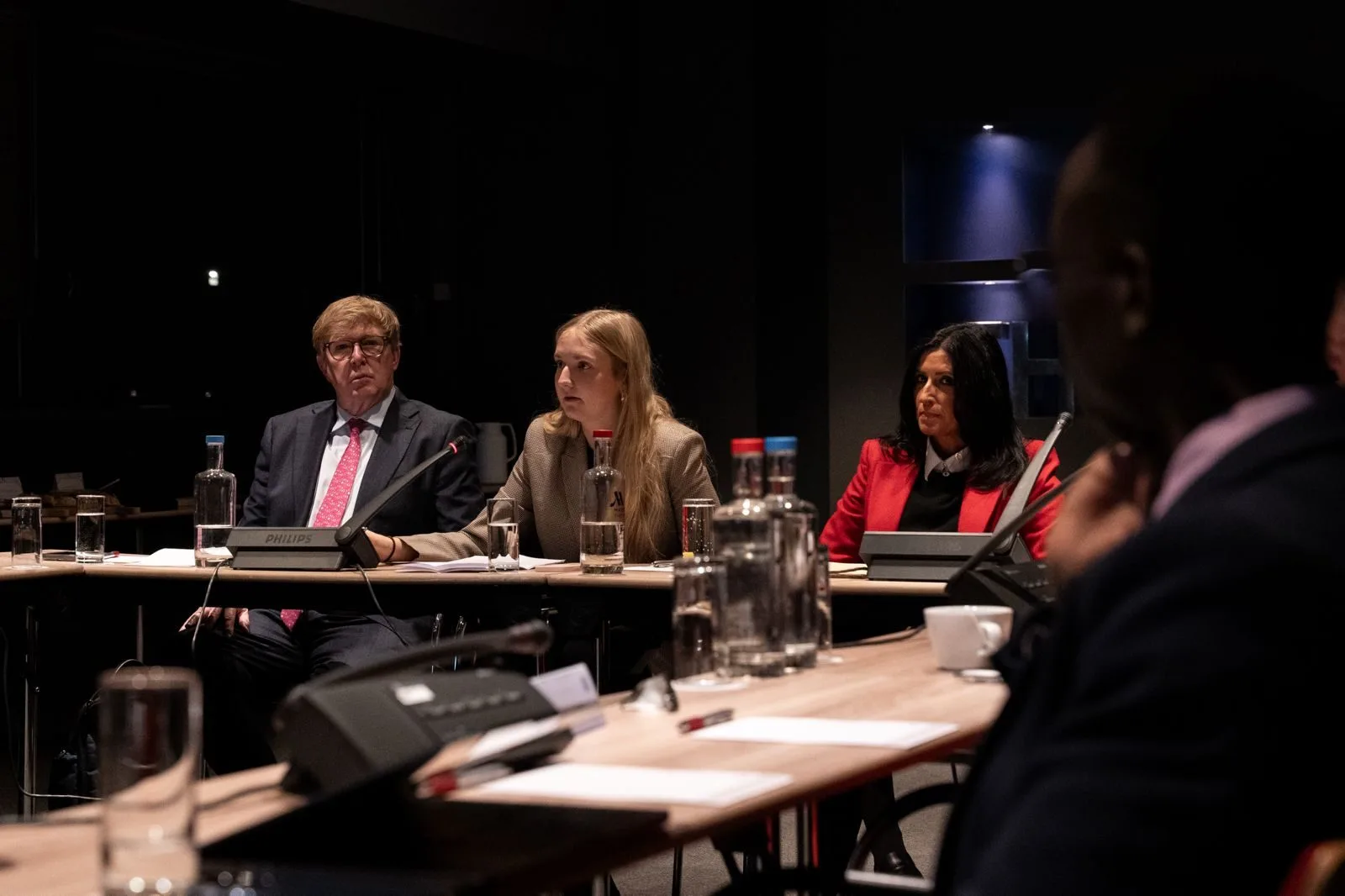
At this ASP side event in The Hague, panellists examined the devastating human rights situation in Sudan, including mass displacement, targeted violence against women and girls, and the challenges of documenting atrocities amid repression and internet shutdowns. The discussion emphasised the need for coordinated accountability efforts, action against complicit external actors, and stronger support for Sudanese civil society.

- GHRD Team
- 2 December 2025
- Genocide Prevention, Humanitarian Crises
During the ICC Assembly of States Parties, Global Human Rights Defence (GHRD) convened a panel of leading legal and human rights experts to assess the escalating atrocities in Sudan and the growing accountability gap. Speakers examined the ICC’s limited jurisdiction, the role of external actors, the collapse of humanitarian access and the urgent need for coordinated international action to prevent further mass violence.