
Articles
- GHRD Team
- 23 February 2026
- Geopolitics, Human Rights
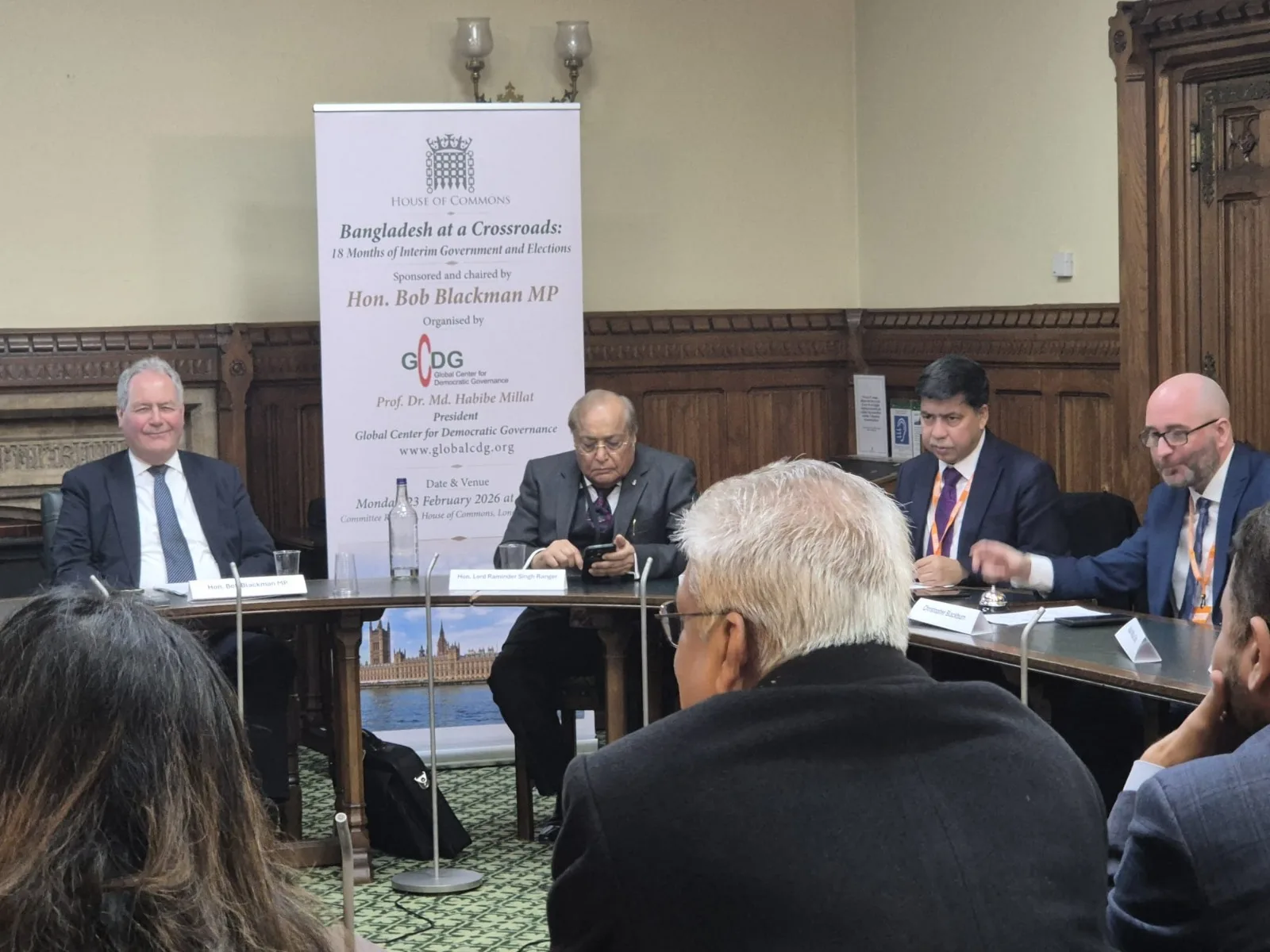
A parliamentary discussion titled “Bangladesh at a Crossroads: 18 Months of Interim Government and Elections,” chaired by MP Bob Blackman, addressed the political and human rights issues in Bangladesh. Key speakers included Lord Rami Ranger and Baroness Bennett, who reviewed allegations of human rights abuses, particularly the banning of Awami League activities. Blackman highlighted a decline in human rights impacting minorities, while Ranger advocated for free electoral choices. Prof. Dr. Md. Habibe Millat delivered a keynote stressing the detention of 124 MPs and activists, calling for their release and decrying the political interference in law enforcement. The forum also addressed the need for democratic restoration and international engagement, with media contact facilitated by the Global Centre for Democratic Governance.
- GHRD Team
- 23 February 2026
- European Commission, Sustainability, Trade Regulation
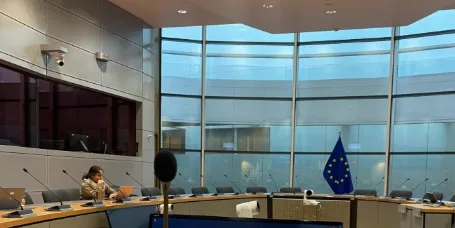
On 27 January 2026, EU and Indian officials marked a major milestone in negotiations for the EU–India Free Trade Agreement in New Delhi, which has been described as the “mother of all trade deals” given its scale and economic significance. While the development signalled one of the most ambitious agreements pursued by both partners, the details of the proposed deal remain subject to scrutiny. To support this process, the European Commission convened a Civil Society Dialogue to present key elements of the agreement and discuss the state of negotiations.
- Asia Team
- 20 February 2026
- Hindu Minority, Political Landscape
The political landscape of Bangladesh and the implications for the Hindu minority is explored, including the presence of political violence, lack of freedom of religion, and absence of minority rights protection. The Hindu community’s safety and security is at stake. Therefore a stronger protection of their rights is called for.
- GHRD Team
- 18 February 2026
- Child Trafficking, Children's Rights, Film Screening
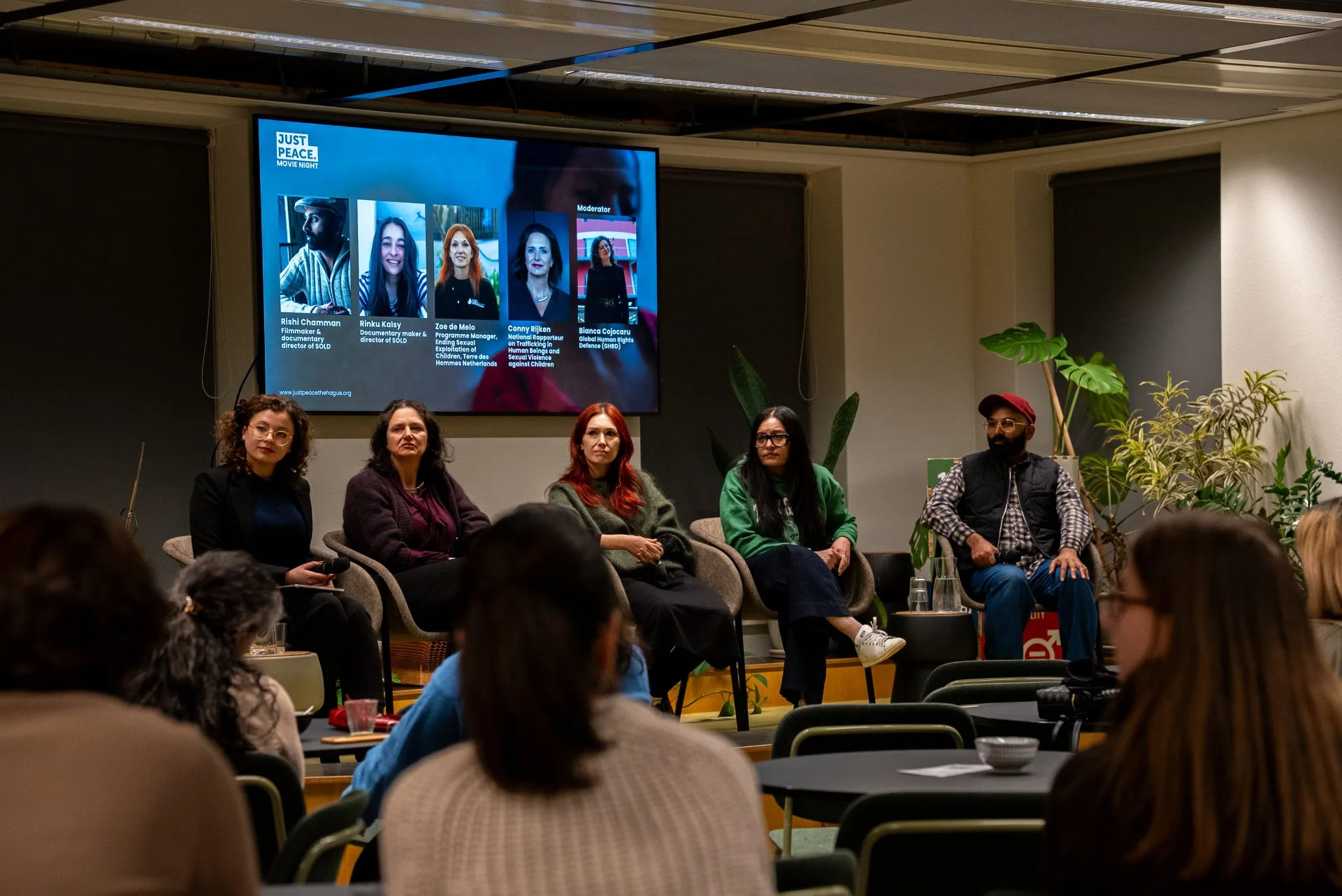
On 18 February 2026, Global Human Rights Defence, in partnership with Just Peace Movie Night, hosted a screening of SOLD. A Child Trafficked at The Hague Humanity Hub, followed by an expert panel discussion on child trafficking and sexual exploitation. Bringing together filmmakers, practitioners, and independent monitoring expertise, the event reflected on the human cost of trafficking, the structural drivers that enable it, and the progress made, and still required, in preventing the exploitation of children.

- GHRD Team
- 15 February 2026
- Chemical Weapons, International Humanitarian Law
This article examines whether the use of chemical substances such as white phosphorus can amount to war crimes under international humanitarian law. Using southern Lebanon as a case study, it highlights the severe civilian harm, environmental damage, and long-term risks caused by white phosphorus strikes in populated areas. The article argues that legal accountability should focus not only on how weapons are classified, but on their actual impact on civilians, land, and protected communities.
- GHRD Team
- 12 February 2026
- Civil Society, European Union (EU), LGBTQIA+ Rights
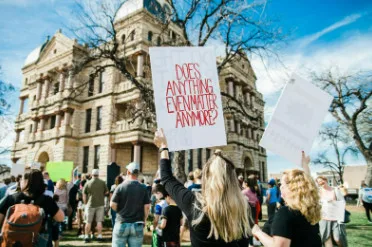
This article humanizes Civil Society Organisations (CSOs) by taking a deep dive into the external and internal challenges they face in today’s highly dystopian world. External challenges range from funding cuts, shrinking civic space, and smear campaigns. Internally, issues rise from rigid hierarchies influenced by reputation seeking board members with elite links, donor-imposed conditions that shift priorities, and employees working with low remunerations.
- Alejandra Martínez Otero-Saavedra
- 10 February 2026
- Climate Rights, Greenwashing, Sustainability
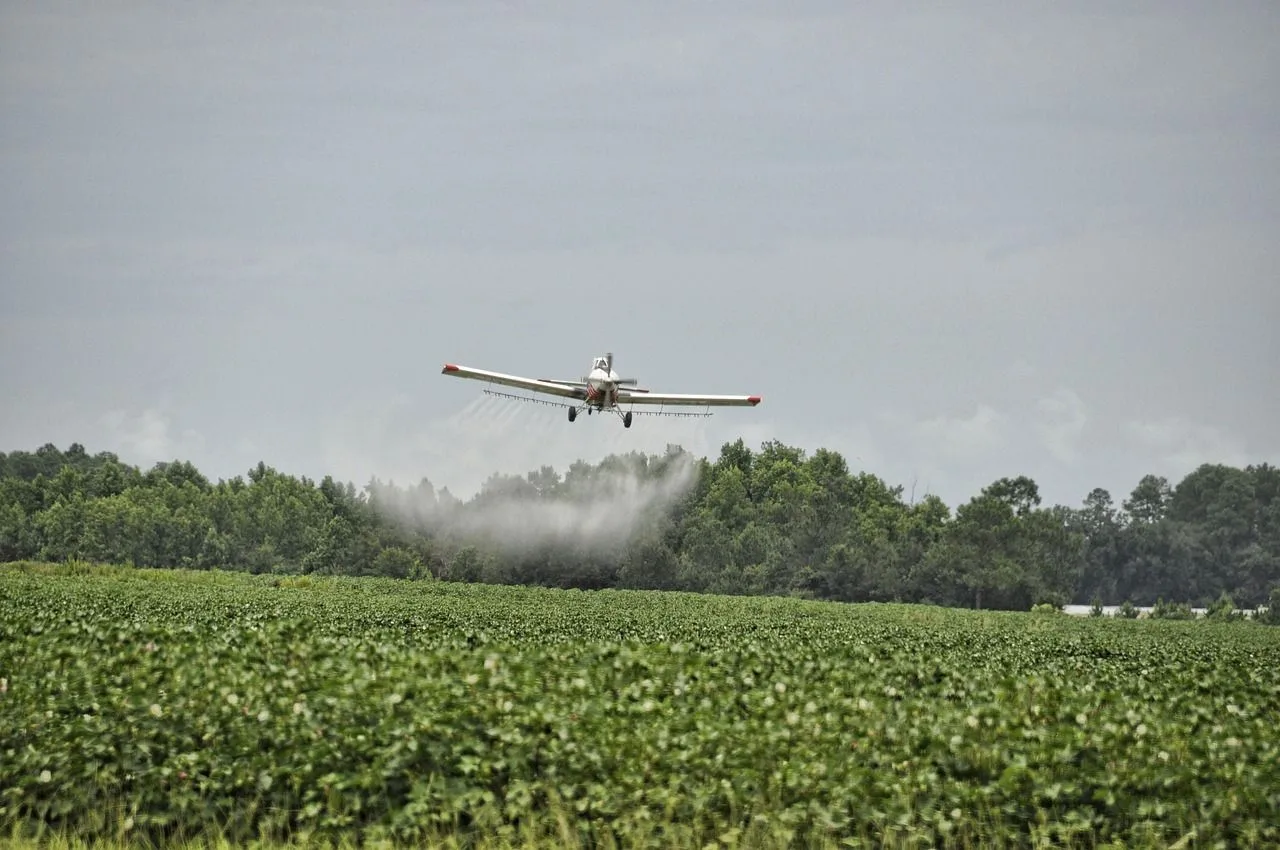
Agroindustrial food systems are increasingly framed through the language of sustainability, efficiency and food security. However, this discourse coexists with a production model that continues to generate environmental degradation, public health impacts and human rights violations at a global scale.
- Sradhanand Sital
- 10 February 2026
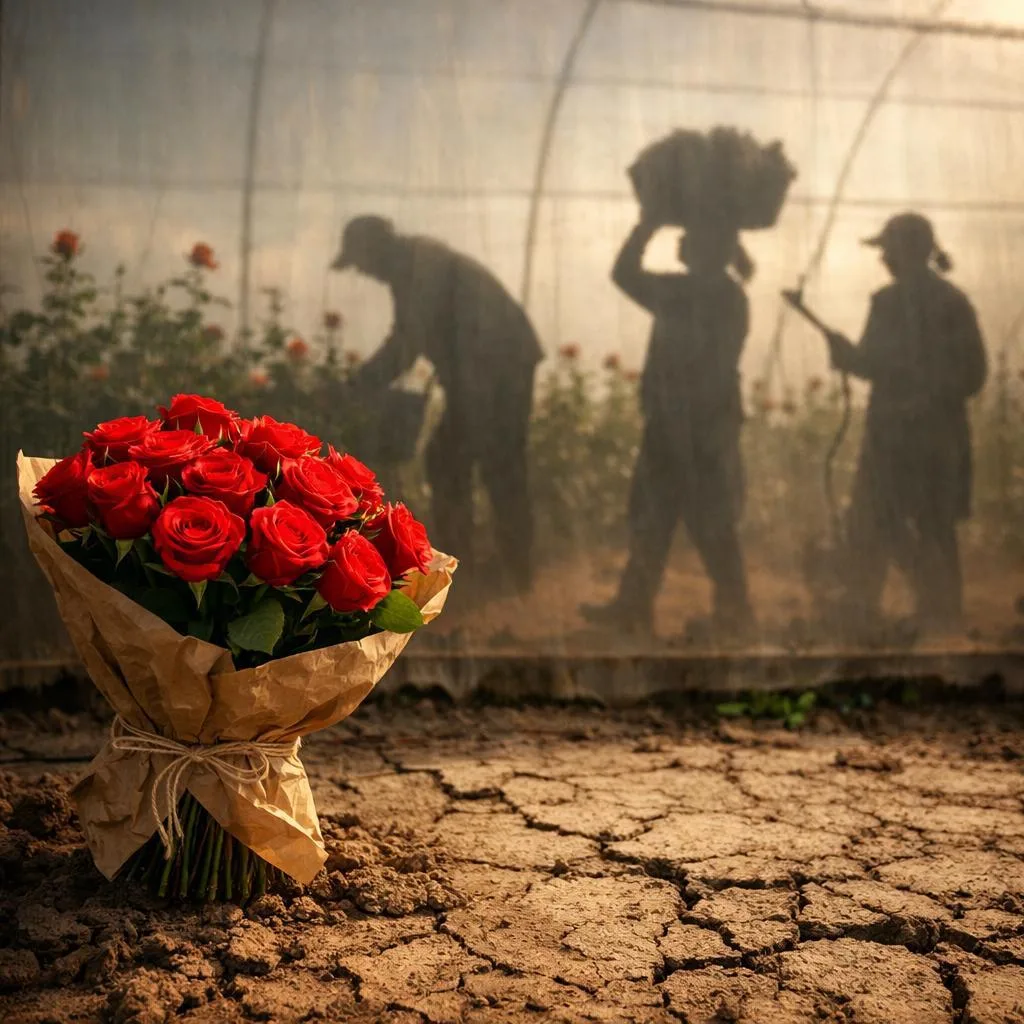
Europe buys roses as symbols of love, yet behind many imported bouquets lies a hidden cost. Pesticides banned within the EU are still used in production abroad, exposing plantation workers, often women with limited protection – to daily health risks, while the final flowers are sold safely in European markets. The real issue is not residue levels for consumers, but whether Europe is willing to take responsibility for the working conditions and environmental harm embedded in its global supply chains.
- UN team
- 29 January 2026
- International Law
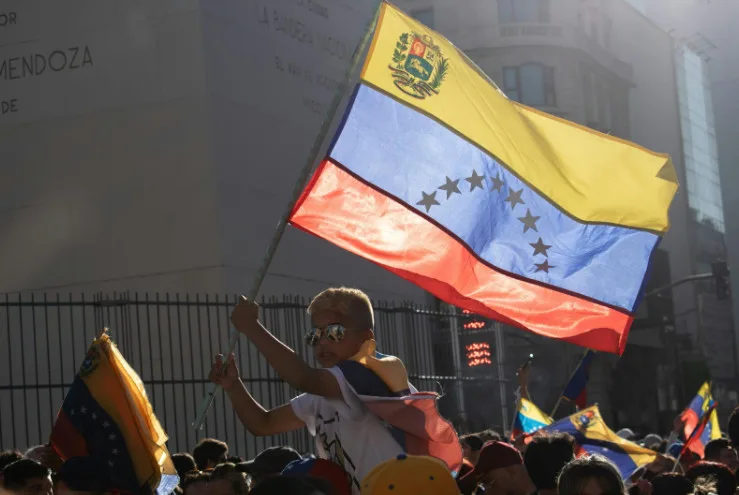
This article examines whether the U.S. military operation leading to the capture of Nicolás Maduro can be reconciled with the fundamental principles of international law, and why, even if it cannot, mechanisms of accountability remain largely ineffective and unlikely to be used.

- GHRD Team
- 27 January 2026
- International Conference, Minority Rights, Religious Minorities
An international conference on blasphemy allegations and the protection of religious minorities in Bangladesh was held on 24 January 2026 in The Hague, organized by Global Human Rights Defence. Opened by Harry van Bommel, the conference addressed violence against minorities, especially Hindus, amidst critiques of laws being misused despite no formal blasphemy law existing. Data revealed 2,829 incidents against Hindus from August 2024 to December 2025, including lynchings. Dr. Anthonie Holslag delivered the keynote address, with various panels discussing the topic. The conference concluded with calls for stronger international action to protect religious minorities, criticizing the insufficient responses from entities like the UN and EU.

- GHRD Team
- 27 January 2026
- International Conference, Minority Rights, Religious Minorities
An international human rights conference in The Hague, convened by Global Human Rights Defence, addressed the crisis facing religious minorities in Bangladesh due to mob violence tied to blasphemy allegations. Keynote speaker Dr. Anthonie Holslag linked blasphemy laws to “creeping genocide,” emphasizing the impunity these laws create. The discussions highlighted the disparity between Bangladesh’s constitutional promises and the harsh realities encountered by minorities, exacerbated by media misinformation and limited international coverage. The conference emphasized the global obligation to protect religious minorities, advocating for ongoing monitoring and adherence to human rights standards, with a call for accountability and the application of international law.
- GHRD Team
- 27 January 2026
- European Union (EU), Sustainability, Trade Regulation
Members of the European Commission conducted a Civil Society Dialogue to inform civil society about the state of play of the European Union trade relations with the Latin American and Caribbean region. Led by the Head of Unit TRADE D2, Mr Paolo Garzotti, the dialogue led to a discussion on the latest conclusion of the EU-Mercosur and EU-Mexico agreements, evaluating the implementation and ratification timelines. The European Parliament resolution to suspend the Mercosur agreement, and the examined conditions affecting political rights, lack of bindingness, and environmental standards, highlights critical gaps in contexts of governance crisis.

- GHRD Team
- 27 January 2026
- European Parliament, Holocaust, Human Rights
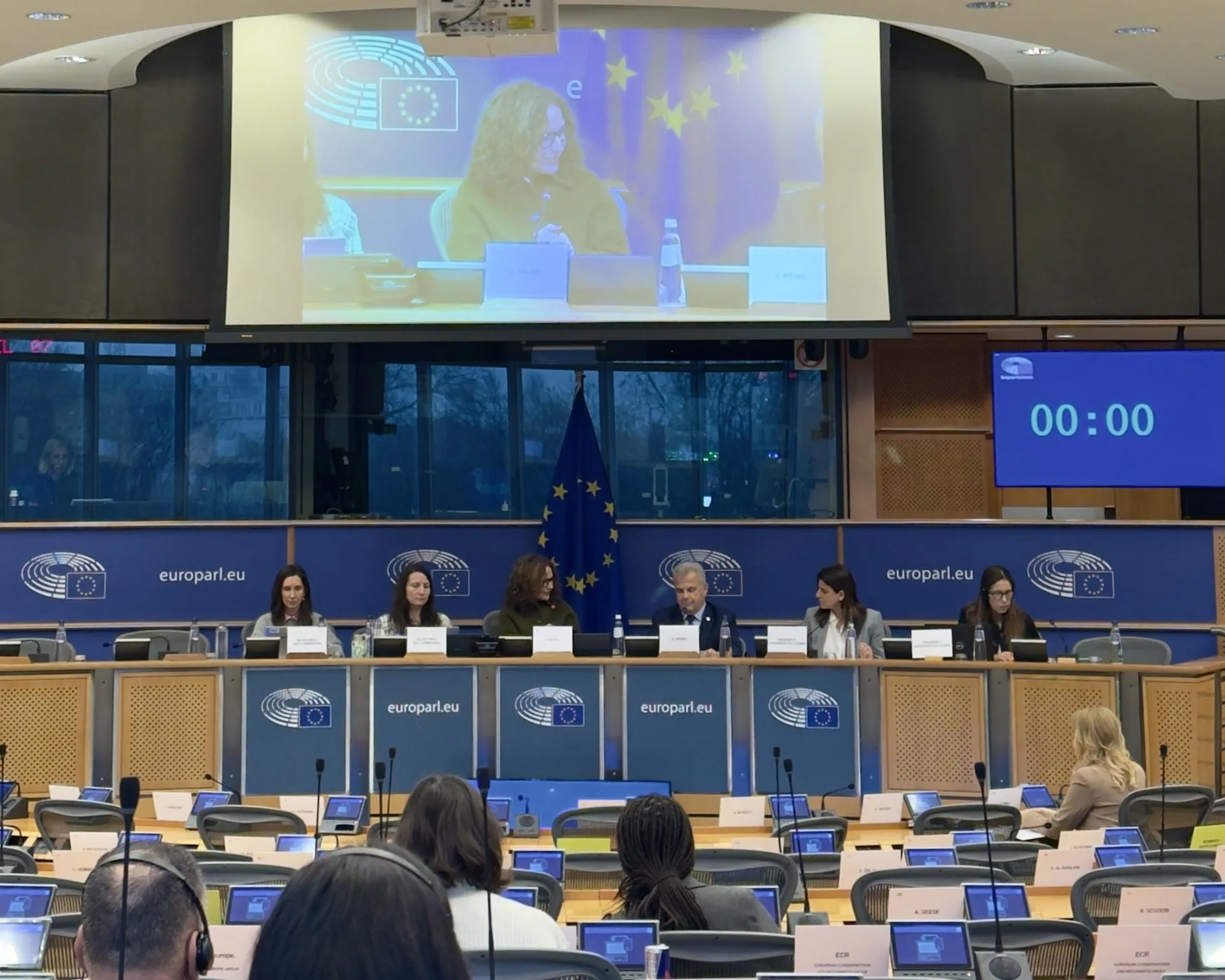
On Holocaust Remembrance Day, the European Parliament’s Subcommittee on Human Rights (DROI) dedicated its deliberations to urgent cases of human rights violations and democratic backsliding across several regions. Through follow up exchanges on Guinea Bissau, Kyrgyzstan, and Rwanda, Members and invited speakers examined how coups, restrictive legislation, media repression, and unlawful detentions continue to erode democratic safeguards and fundamental freedoms. Framed by the lessons of history, the discussions underscored the risks of inaction and silence in the face of early warning signs. The exchanges highlighted the need for timely and credible responses to prevent today’s political crises from becoming tomorrow’s humanitarian catastrophes.
- GHRD Team
- 27 January 2026
- European Union (EU), Human Rights, International Law
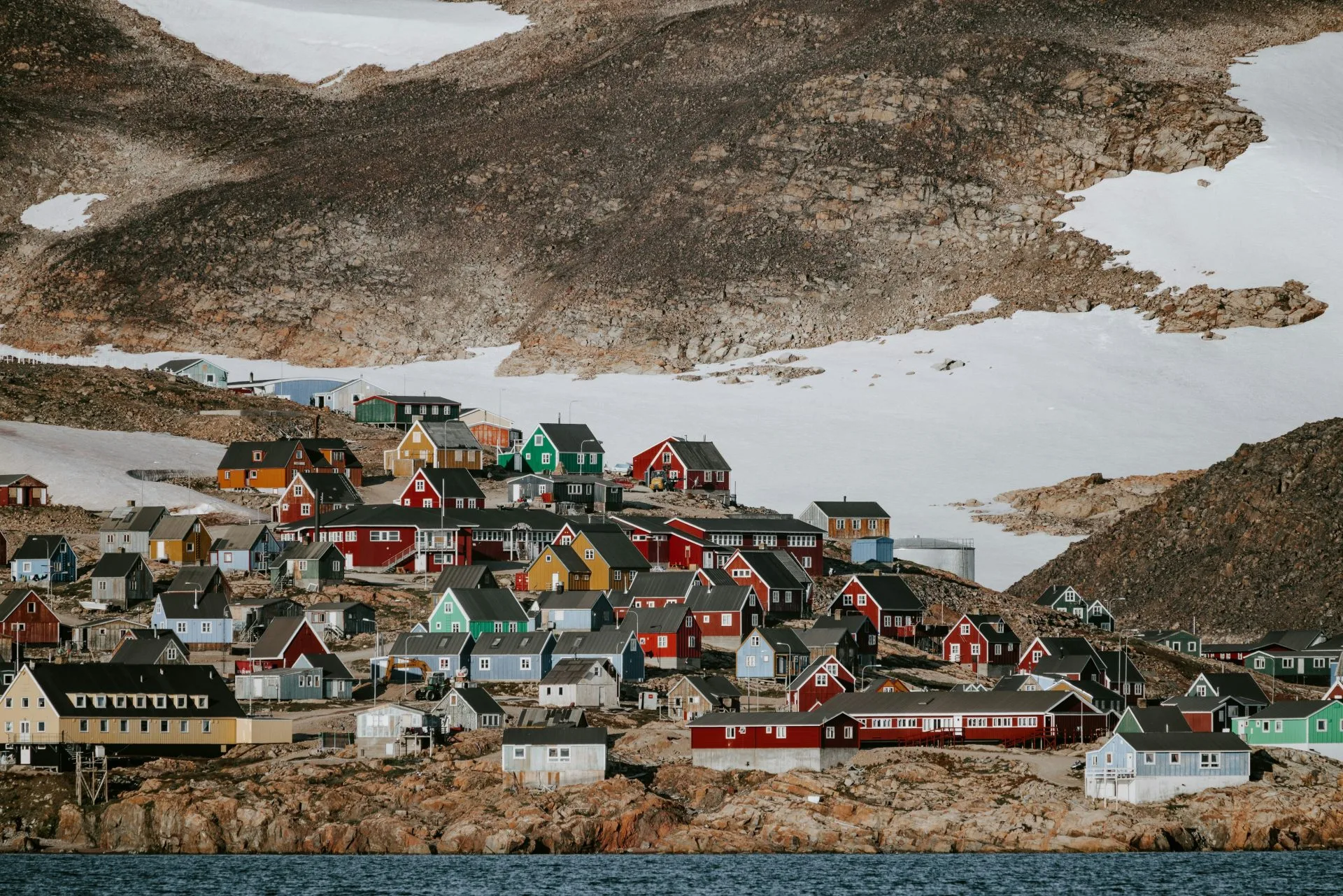
Members of the European Parliament’s Subcommittee on Human Rights conducted a mission to the Republic of Türkiye to assess human rights, the rule of law, and democratic governance within EU Türkiye relations. Led by rapporteur Isabel Wiseler-Lima, the delegation met governing and opposition parties, civil society organisations, journalists, and independent media. The mission evaluated implementation of European Parliament resolutions and examined conditions affecting political rights, judicial independence, and freedom of expression. Meetings and prison visits informed a critical assessment, highlighting democratic backsliding, misuse of terrorism legislation, and prolonged detention of political figures, while emphasising Convention obligations under international human rights.
- GHRD Team
- 26 January 2026
- Human Rights, Monroe Doctrine, Self-determination
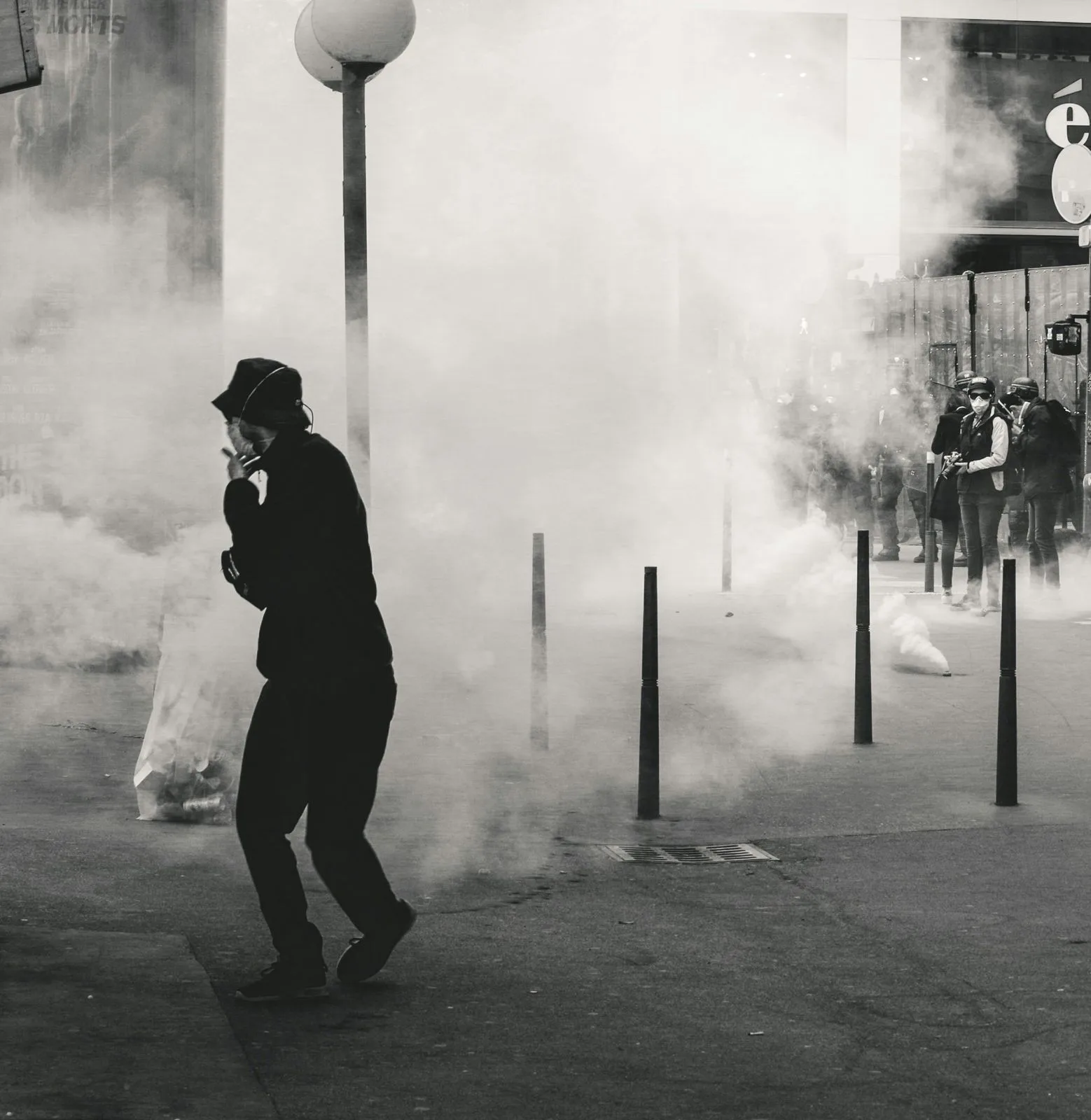
This article argues that attempts to treat Greenland as a strategic asset or negotiable territory undermine the Greenlandic people’s right to self-determination. It examines the issue through the lens of indigenous rights, international law, and the revival of expansionist foreign policy doctrines. The piece emphasizes that Greenland’s future must be decided by its people, not external powers.
- GHRD Team
- 26 January 2026
- Chemical Weapon, Demonstration, Human Rights
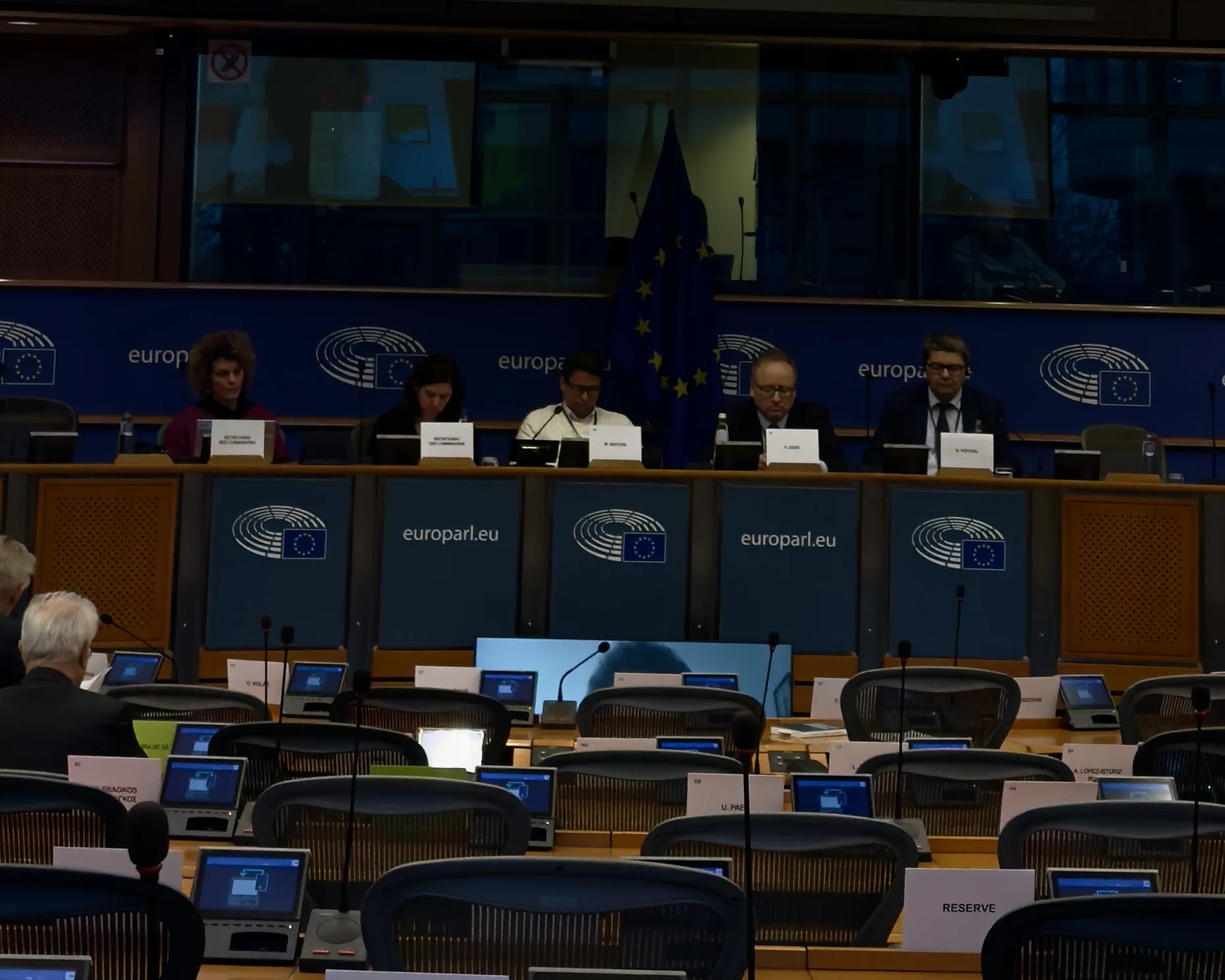
This article reports on an acid attack against a KontraS activist in Indonesia after he criticised the military’s growing role in civilian life. The case raises serious concerns about intimidation of human rights defenders, shrinking civic space, and the need for an independent investigation into alleged military involvement.
- GHRD Team
- 26 January 2026
- European Parliament, Gender Equality, Women's Rights
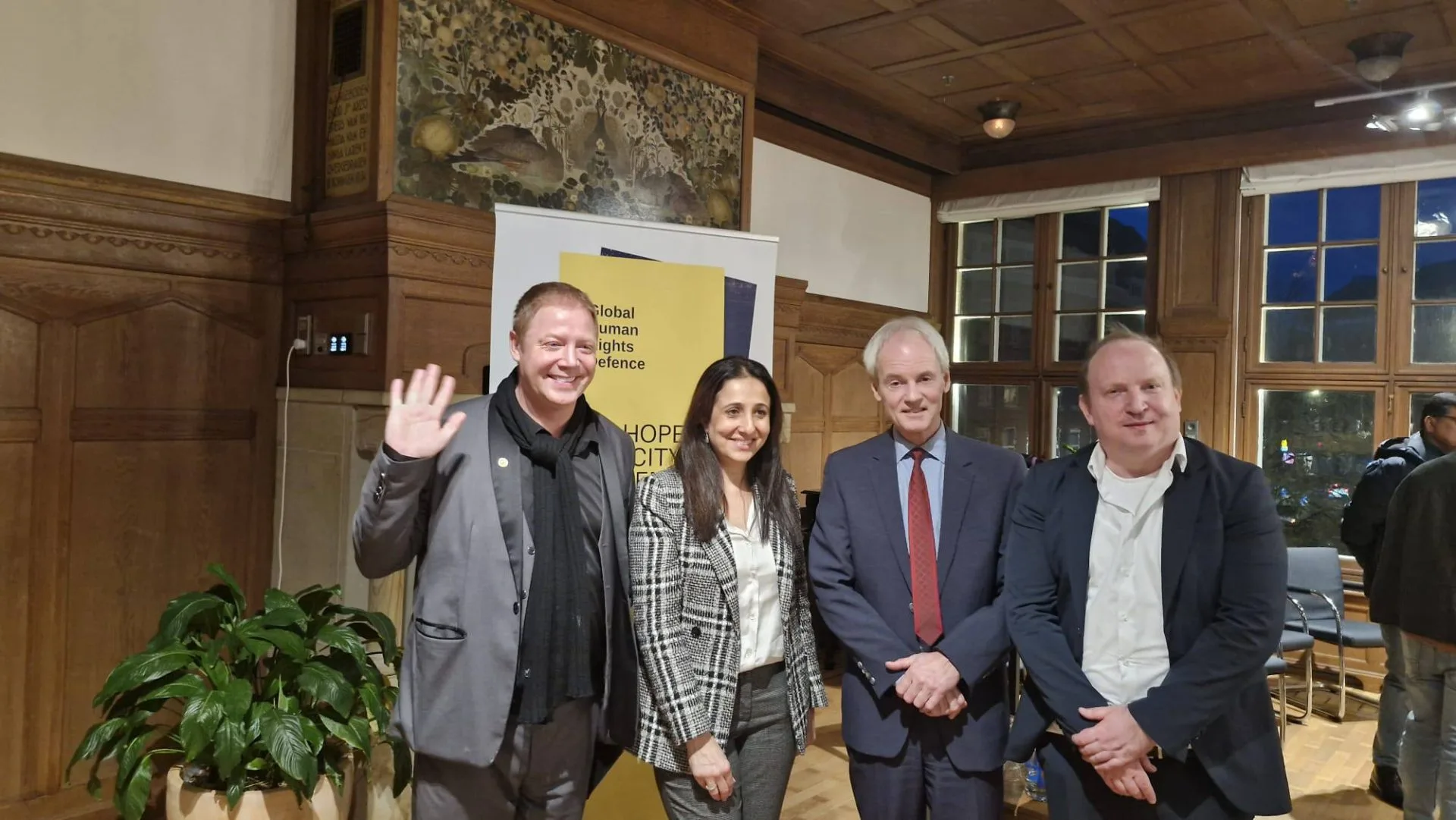
Members of the European Parliament’s Subcommittee on Human Rights conducted a mission to the Republic of Türkiye to assess human rights, the rule of law, and democratic governance within EU Türkiye relations. Led by rapporteur Isabel Wiseler-Lima, the delegation met governing and opposition parties, civil society organisations, journalists, and independent media. The mission evaluated implementation of European Parliament resolutions and examined conditions affecting political rights, judicial independence, and freedom of expression. Meetings and prison visits informed a critical assessment, highlighting democratic backsliding, misuse of terrorism legislation, and prolonged detention of political figures, while emphasising Convention obligations under international human rights.
- GHRD Team
- 25 January 2026
- International Conference, Minority Rights, Religious Minorities
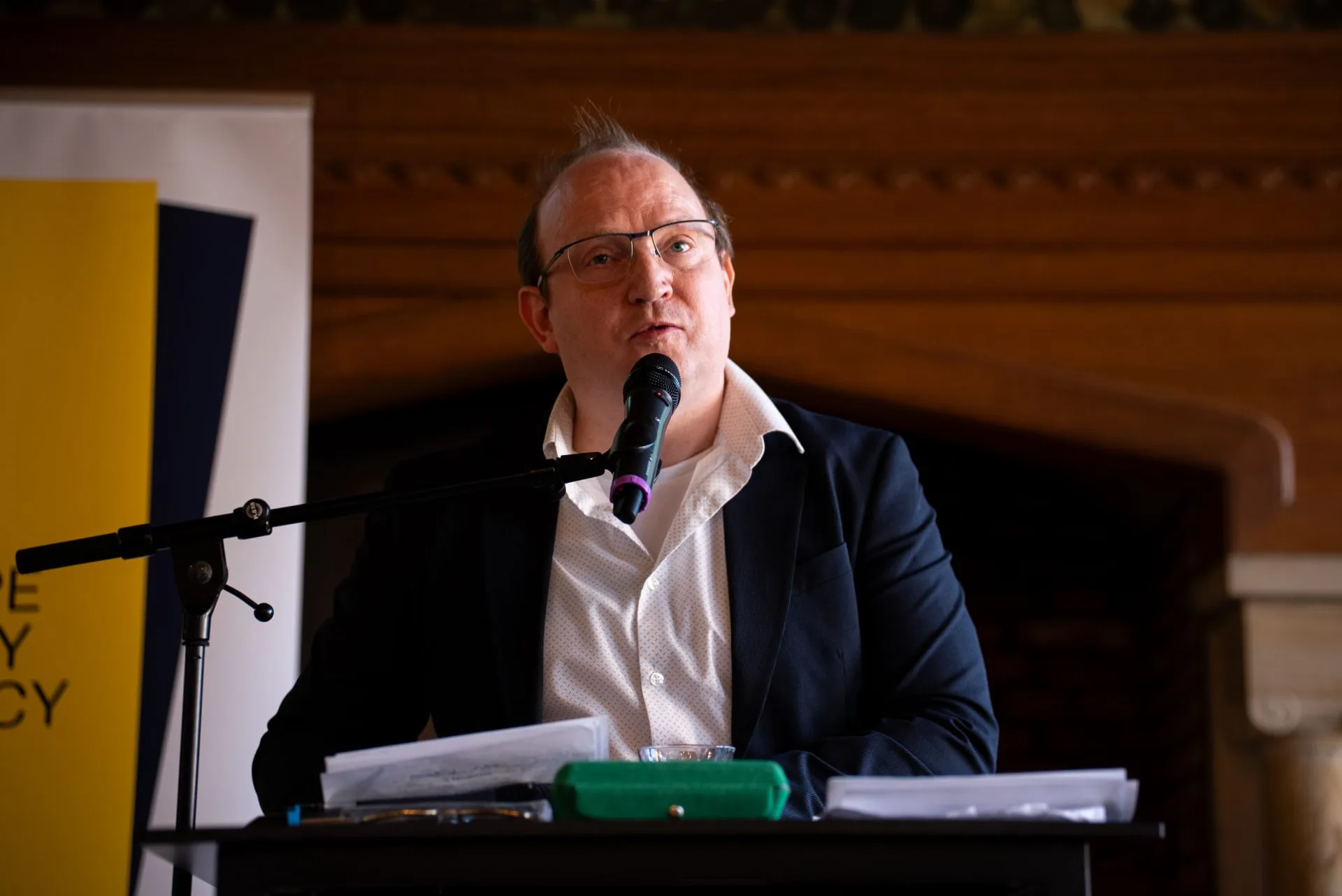
The Global Human Rights Defence held an international conference on January 24, 2026, in The Hague, focusing on “Blasphemy Allegations, Mob Violence and the Protection of Religious Minorities in Bangladesh.” The event discussed the rising violence against religious minorities, especially Hindus, in Bangladesh, noting over 2,829 incidents of lynching and targeted violence in 2025. Experts examined historical persecution patterns and stressed the lack of a specific blasphemy law in Bangladesh, contrasting it with strict penal code regulations. The conference also addressed the media’s role in these issues and the need for active human rights advocacy, with prominent speakers like Dr. Anthonie Holslag highlighting the urgency to protect vulnerable groups.
- GHRD Team
- 24 January 2026
- Blasphemy Laws, Genocide, Religious Minorities
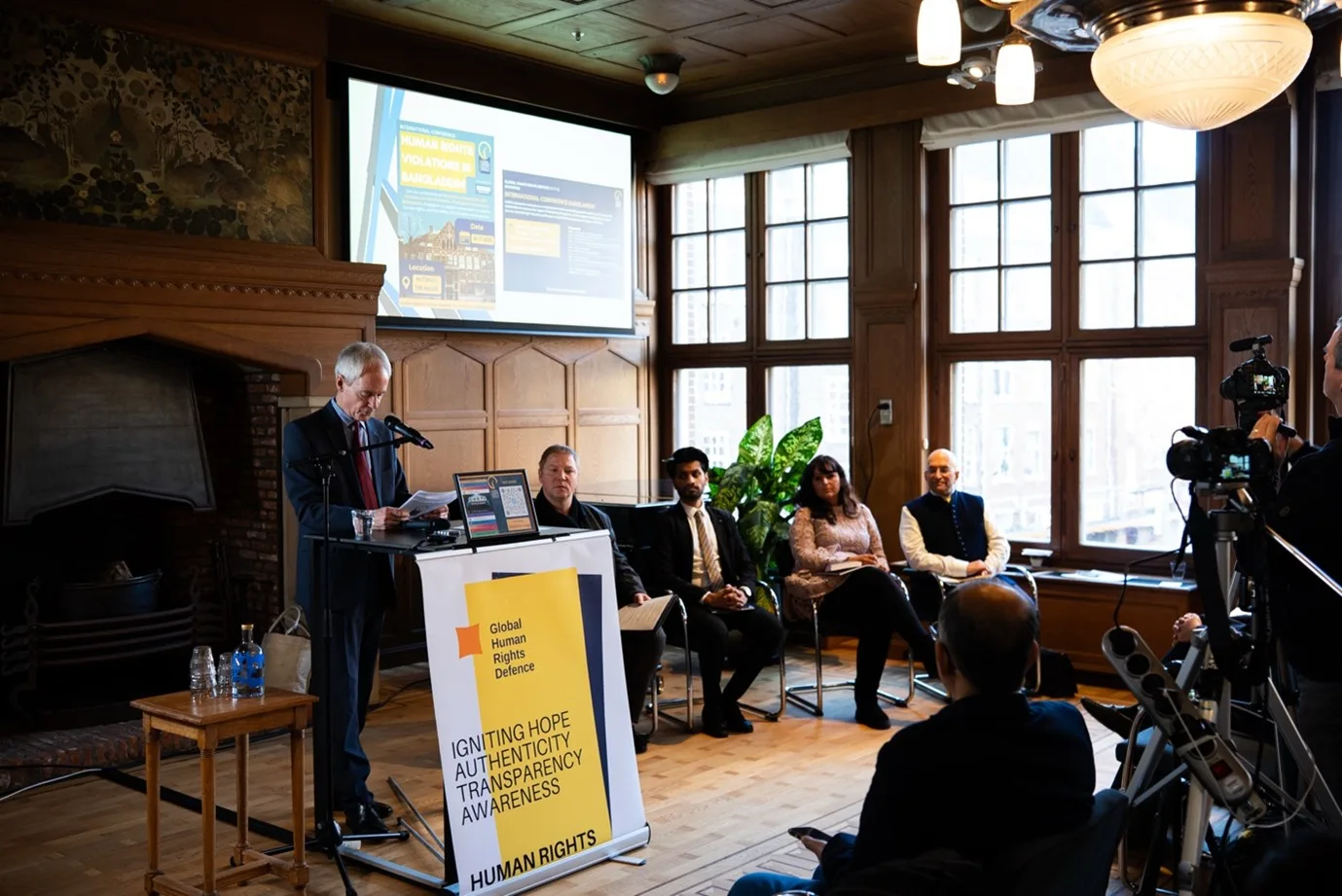
On February 12, Chief Advisor Muhammed Yunus reported that out of 645 incidents affecting minority communities since the 2024 Monsoon Revolution, only 71 were linked to communal violence, while most were attributed to general crime. This statement is challenged by various reports, including those from the U.S. Commission on International Religious Freedom, which highlight ongoing persecution of indigenous groups in the Chittagong Hill Tracts, involving sexual violence and destruction of cultural sites. The document underscores the need to reconcile conflicting data on violence, particularly regarding identity politics and blasphemy laws that may facilitate ongoing violence, referred to as “creeping genocide.” Blasphemy laws are argued to legitimize mob violence, adding to the suffering of minority communities, raising concerns about possible extreme interpretations in the context of impending elections that could lead to increased atrocities.
- GHRD Team
- 24 January 2026
- International Conference, Minority Rights, Religious Minorities
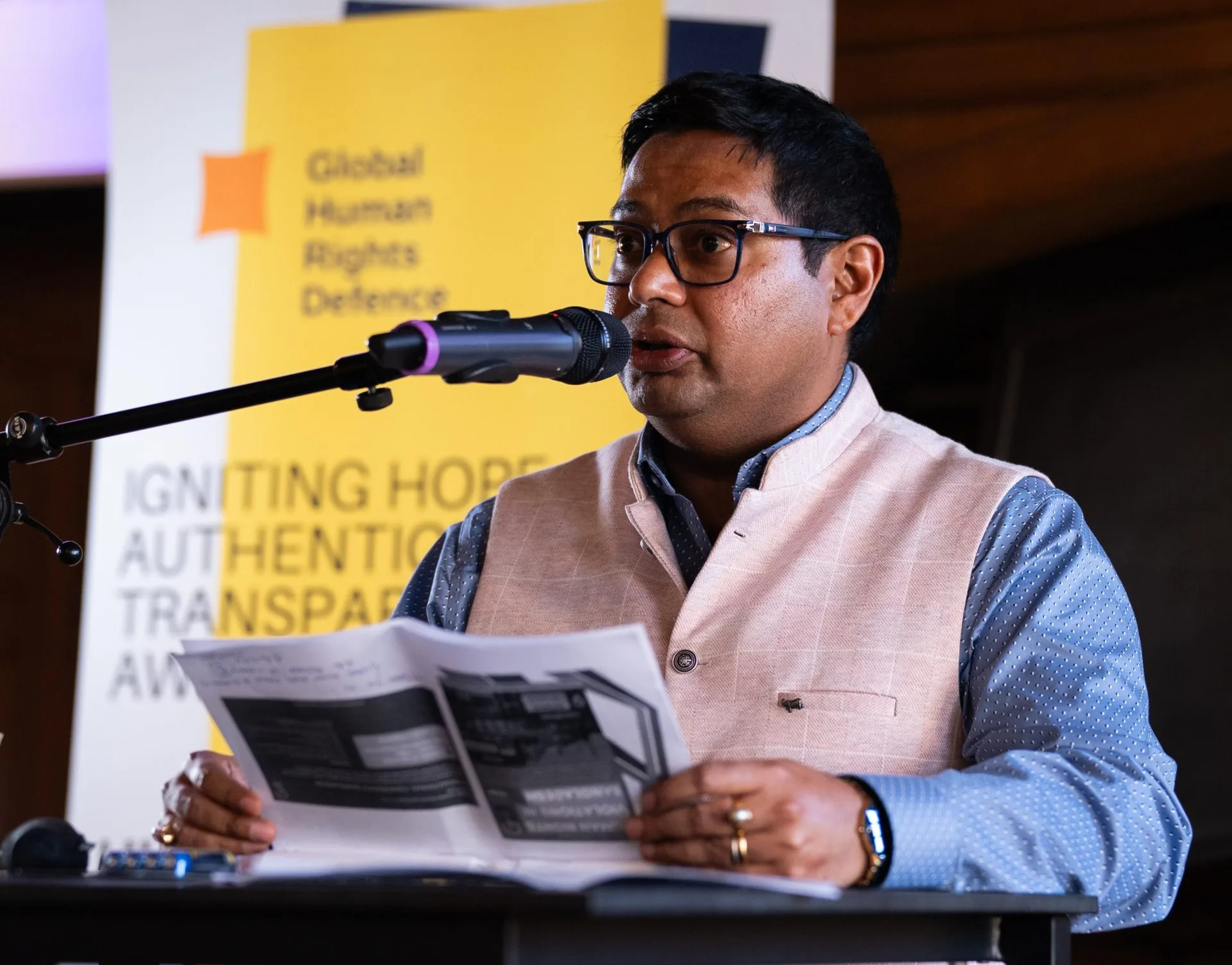
Global Human Rights Defence (GHRD) organized a conference in The Hague addressing human rights violations against religious minorities in Bangladesh. The event, titled “Blasphemy Allegations, Mob Violence and the Protection of Religious Minorities in Bangladesh,” focused on violence linked to blasphemy allegations and the legal frameworks sustaining impunity. It underscored the importance of international responses, legal accountability, and accurate media coverage to protect minority rights. Conference participants highlighted the need for ongoing international engagement to reconcile constitutional protections with the real-life challenges faced by these minorities in Bangladesh.
- GHRD Team
- 24 January 2026
- Blasphemy Laws, Genocide, Religious Minorities
On February 12, 2026, Bangladesh is set for general elections and a constitutional referendum following the Monsoon uprising that ousted Prime Minister Sheikh Hasina. Since August 2024, Professor Dr. Muhamad Yunis has led the country. The Bangladesh Jamat E Islami, in partnership with the Nationalist Children Party, seeks a religious transformation, raising issues surrounding women’s representation as they have not nominated female candidates despite claims of future equality. The new leadership has coincided with a rise in violence against minorities, heightening fears of oppression. The elections are crucial for the nation’s identity amid increasing conservative ideologies, with the election date highlighting tensions with International Mother Language Day and reflecting the conflict between historical legacy and future direction.