Articles

- GHRD Team
- 28 October 2025
- Disinformation, Election Interference
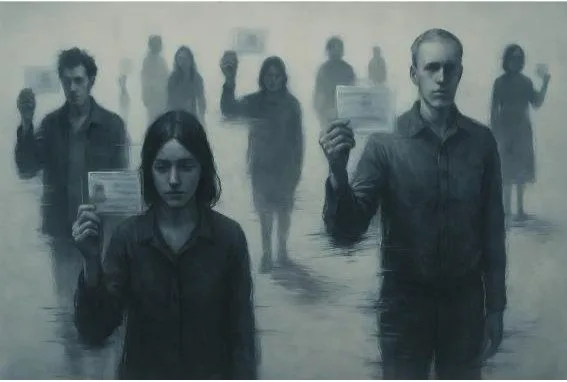
This article explores the methods Russia has used to interfere in elections across countries such as the United States, France, Moldova, and Georgia. It highlights tactics including disinformation, cyberattacks, hack-and-leak operations, and political influence aimed at weakening democratic systems. The piece argues that stronger public awareness and resilient institutions are essential to counter such interference.
- UN team
- 26 October 2025
- Humanitarian Crisis, International Humanitarian Law
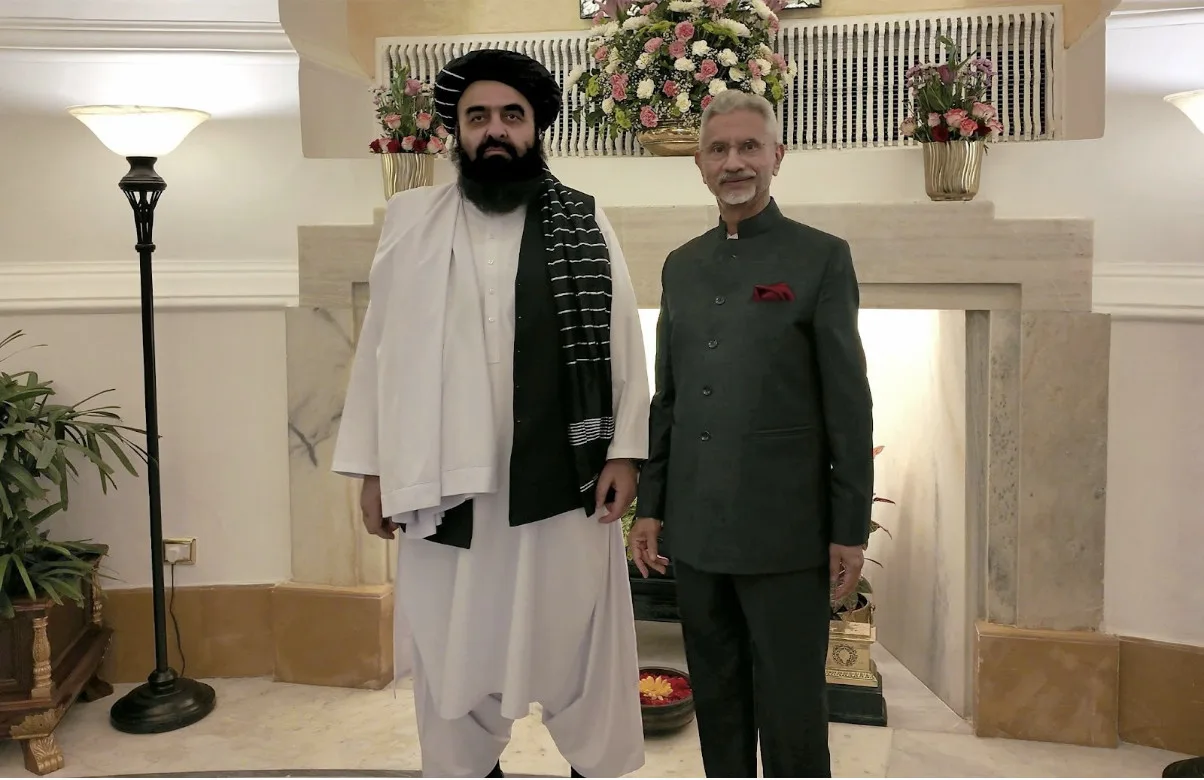
India’s recent engagement with the Taliban, marked by the visit of Foreign Minister Mawlawi Amir Khan Muttaqi in October 2025, signifies a strategic pivot in its diplomatic stance. Initially marking opposition to Taliban governance post-August 2021, this meeting indicates India’s desire to regain influence in Afghanistan amid deteriorating Iraq-Pakistan relations. However, this realpolitik approach raises concerns for Afghan citizens, particularly women and minorities, due to ongoing rights abuses under Taliban rule. India’s shift prioritizes geopolitical balance over its historical support for democracy in Afghanistan, risking the legacy of its previous aid and initiatives aimed at empowering marginalized groups. While the Taliban’s visit aimed to bolster legitimacy and seek investment, India’s silence on human rights issues during the discussions has garnered criticism. The current humanitarian crisis in Afghanistan exacerbates these concerns, highlighting the necessity for any engagement to be anchored in accountability for human rights violations, as the consequences of normalizing relations without addressing these core issues could further legitimize Taliban oppression.

- GHRD Team
- 22 October 2025
- Data Protection, Facial Recognition, Surveillance
Facial recognition technologies are increasingly used across Europe for security purposes, but they raise serious human rights concerns related to privacy, discrimination, and mass surveillance. Cases such as Hungary’s use of FRT at protests and Clearview AI’s unlawful data practices highlight how these systems can be misused. Despite existing legal frameworks, gaps in enforcement continue to expose individuals to rights violations.

- Asia Team
- 17 October 2025
- Climate Change, global leadership, Sustainability
At the recent UNGA Conference which took place at the end of September, China was posed with the opportunity to lead as the face for action against global climate change. As climate change is one of the most pressing global problems in today’s world, the significance of aligning with international climate change standards is unquestionable.
- GHRD Team
- 11 October 2025
- Enforced Disappearances, Human Rights, Sri Lanka civil war
Fifteen years on from Sri Lanka’s civil war, enforced disappearances continue to challenge the country’s legal and transitional justice frameworks. With estimates of 60,000 – 100,000 missing persons, existing mechanisms such as the Office on Missing Persons have struggled to provide accountability or redress. The situation highlights structural weaknesses in domestic law, limited compliance with international human rights obligations and the urgent need for stronger legal and policy interventions to address wartime abuse.
- GHRD Team
- 10 October 2025
- Geopolitics, Human Rights Violations, International Law
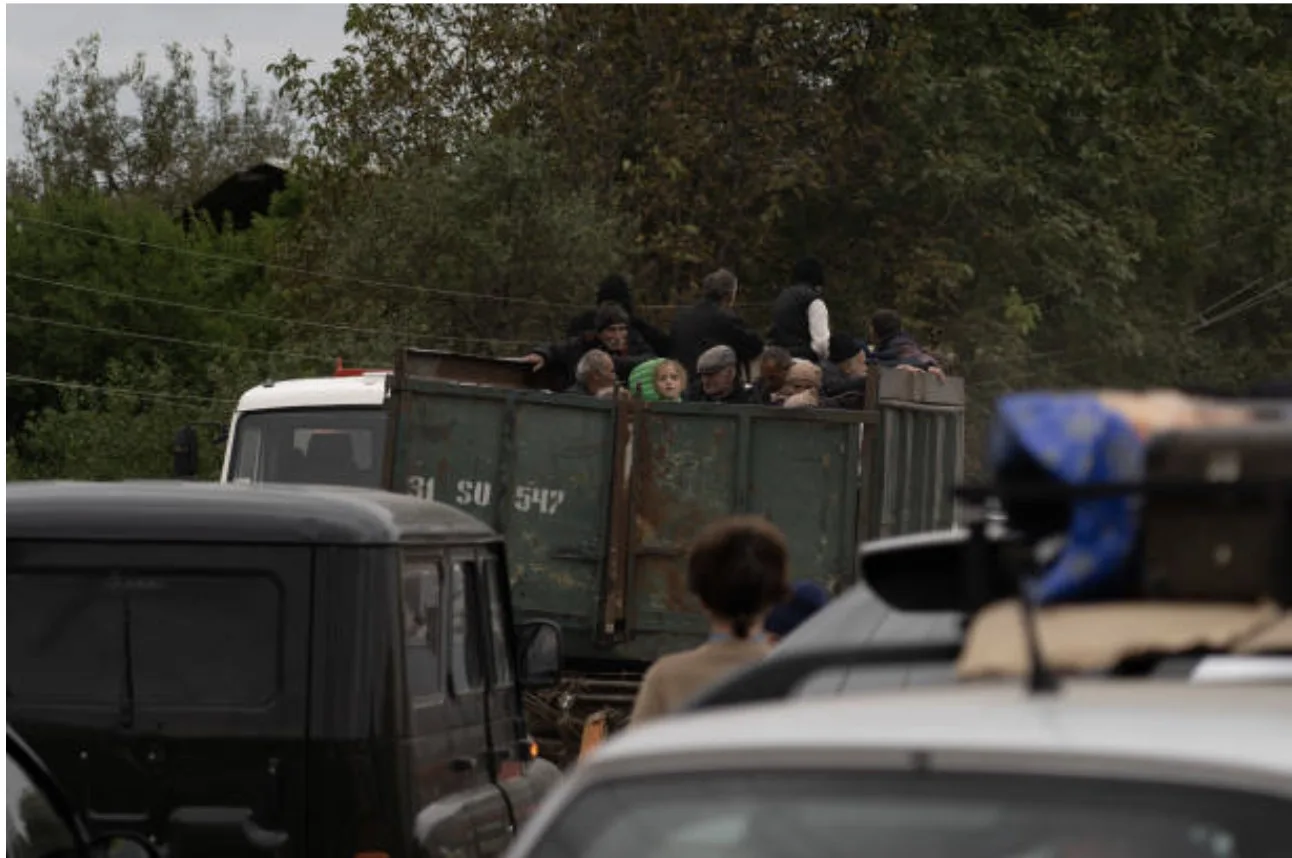
Nagorno-Karabakh’s history has been marked by continuous territorial disputes and attempts to erase the ethnic Armenian population. Despite international efforts to maintain peace, inaction by regional powers has enabled Azerbaijan to conduct a systemic violation of human rights. New frameworks for greater accountability and identity preservation must be established to address the situation.
- Alejandra Martínez Otero-Saavedra
- 10 October 2025
- GHRD Team
- 10 October 2025
- Ceasefire, Conflict, Prisoners
- Asia Team
- 2 October 2025
- Hindus, Minority Rights, Religious Persecution
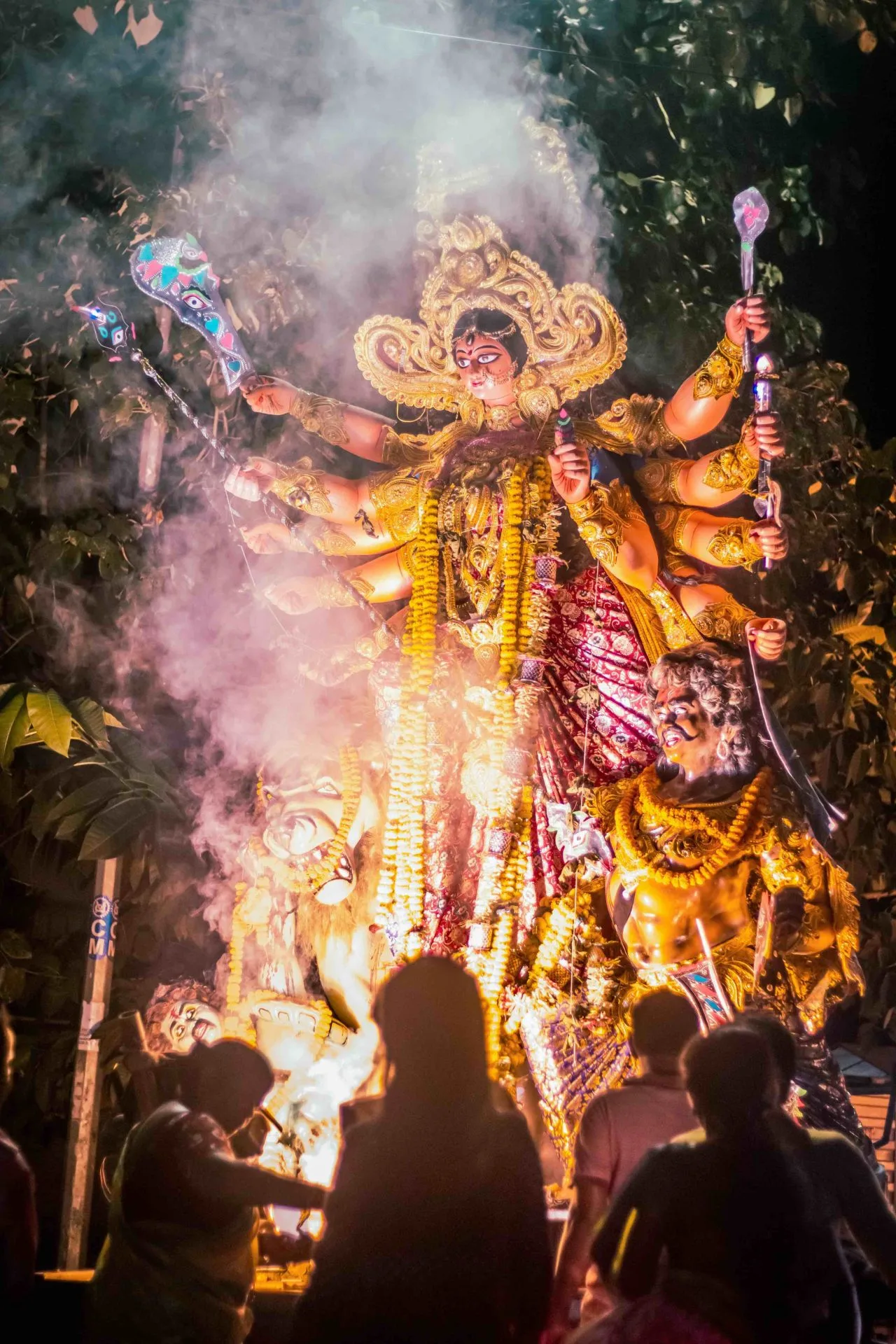
This article explores the ongoing persecution of Hindus in Bangladesh, highlighting recurring incidents of violence, including attacks on temples, homes, and individuals. It examines the gap between constitutional guarantees of secularism and the lived reality of discrimination faced by the Hindu minority. The piece argues that despite legal provisions for equality and religious freedom, systemic failures continue to expose Hindus to insecurity and targeted violence.
- GHRD Team
- 30 September 2025
- Anti-Immigration, Discrimination
- Asia Team
- 29 September 2025
- Historical Justice, Women's Rights, World War II
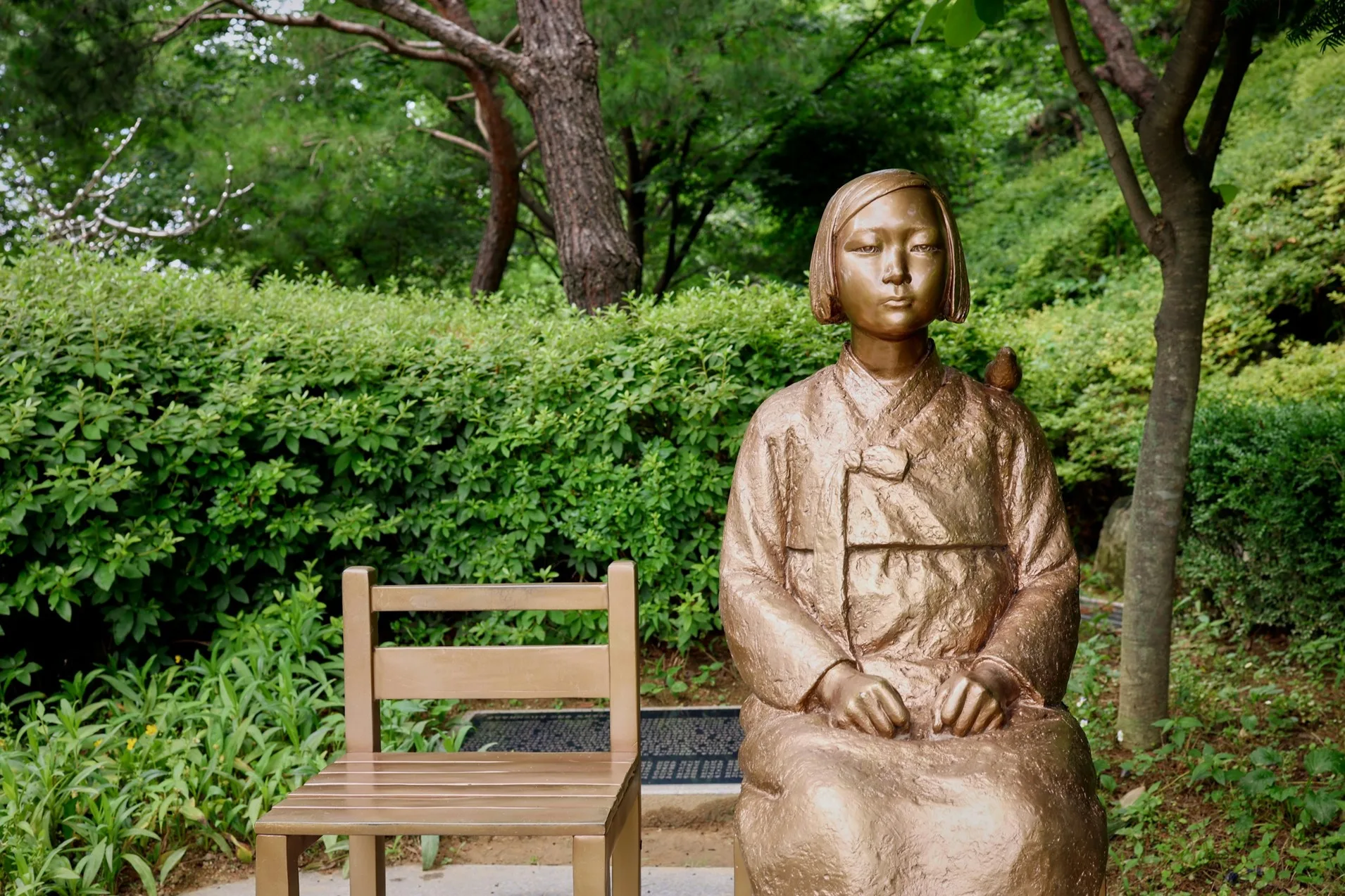
The comfort women system was a systematic sexual slavery operation of Japan during the Second World War. Hundreds of thousands of Asian women were kidnapped and put into military brothels, and forced to sexually entertain Japanese soldiers. Several decades later this is still a major dispute between Japan and South Korea and the issue does not seem to be resolved any time soon.
- Alejandra Martínez Otero-Saavedra
- 29 September 2025
- Children's Rights, Women's Rights
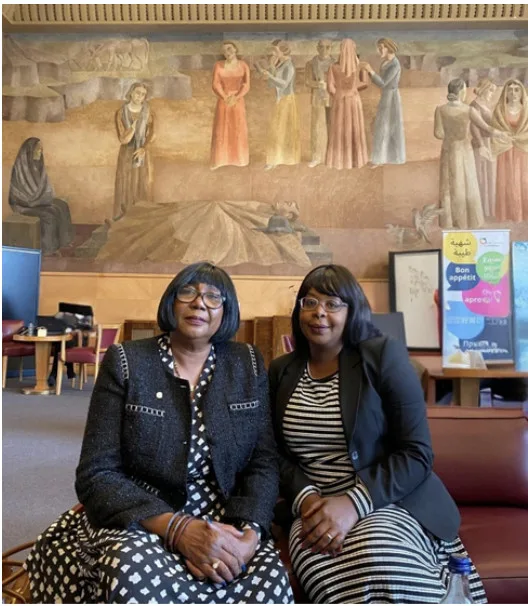
In an interview with GHRD, Mariam Shaw, a Sudanese activist and President of TYFA, discusses her motivation to advocate for women and children affected by armed conflict in Sudan. Shaw, who has experienced war and displacement since childhood, highlights the dire situation in Sudan where millions are displaced, facing trauma, hunger, and a lack of basic necessities. She emphasizes the oppression by military factions and the urgent need for humanitarian aid, calling out the blocked support and atrocities against civilians, especially women who endure sexual violence. Shaw criticizes the international community’s inadequate response and implores for justice and protection for those suffering in Sudan.
- GHRD Team
- 27 September 2025
- ICC, International Justice
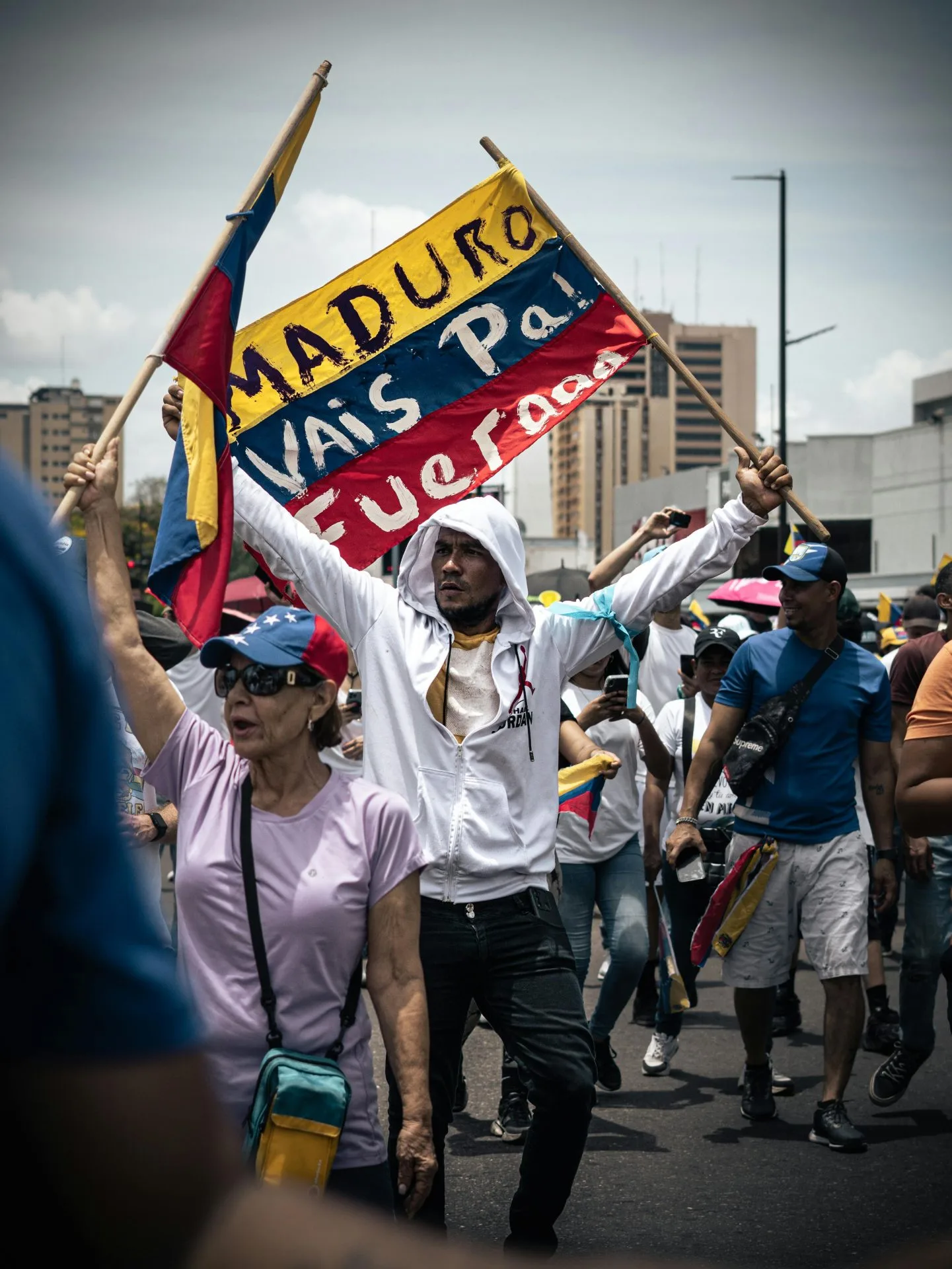
In Venezuela, the promise of international justice has collided with the harsh realities of a state unwilling to hold perpetrators accountable. While the ICC relies on the principle of positive complementarity, its impact has been limited by political obstruction and a weakened judiciary. In contrast, civil society organisations have stepped into the void, documenting abuses, advocating for victims, and ensuring that justice reaches those most affected. In this sense, CSOs embody a form of “real complementarity,” transforming international legal frameworks into tangible pathways for accountability on the ground.
- Europe Team
- 27 September 2025
- Conflict, Protests
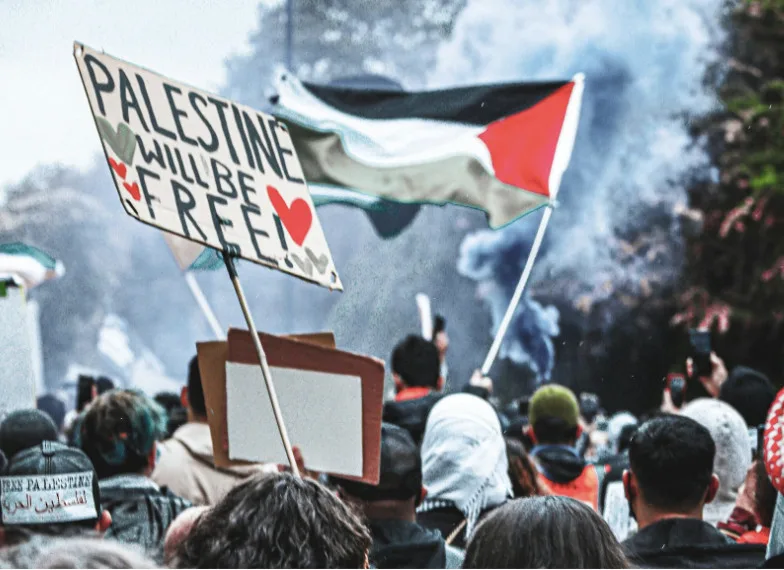
This article examines Poland’s EU-funded migrant integration centres programme and the refusal of Małopolska province to participate. It highlights how political rhetoric around migration can undermine integration efforts and expose migrants to discrimination, exclusion, and rights violations. The piece argues that integration centres are essential for dignity, access to services, and social cohesion.
- GHRD Team
- 26 September 2025
- Civil War, Ethnic Minorities
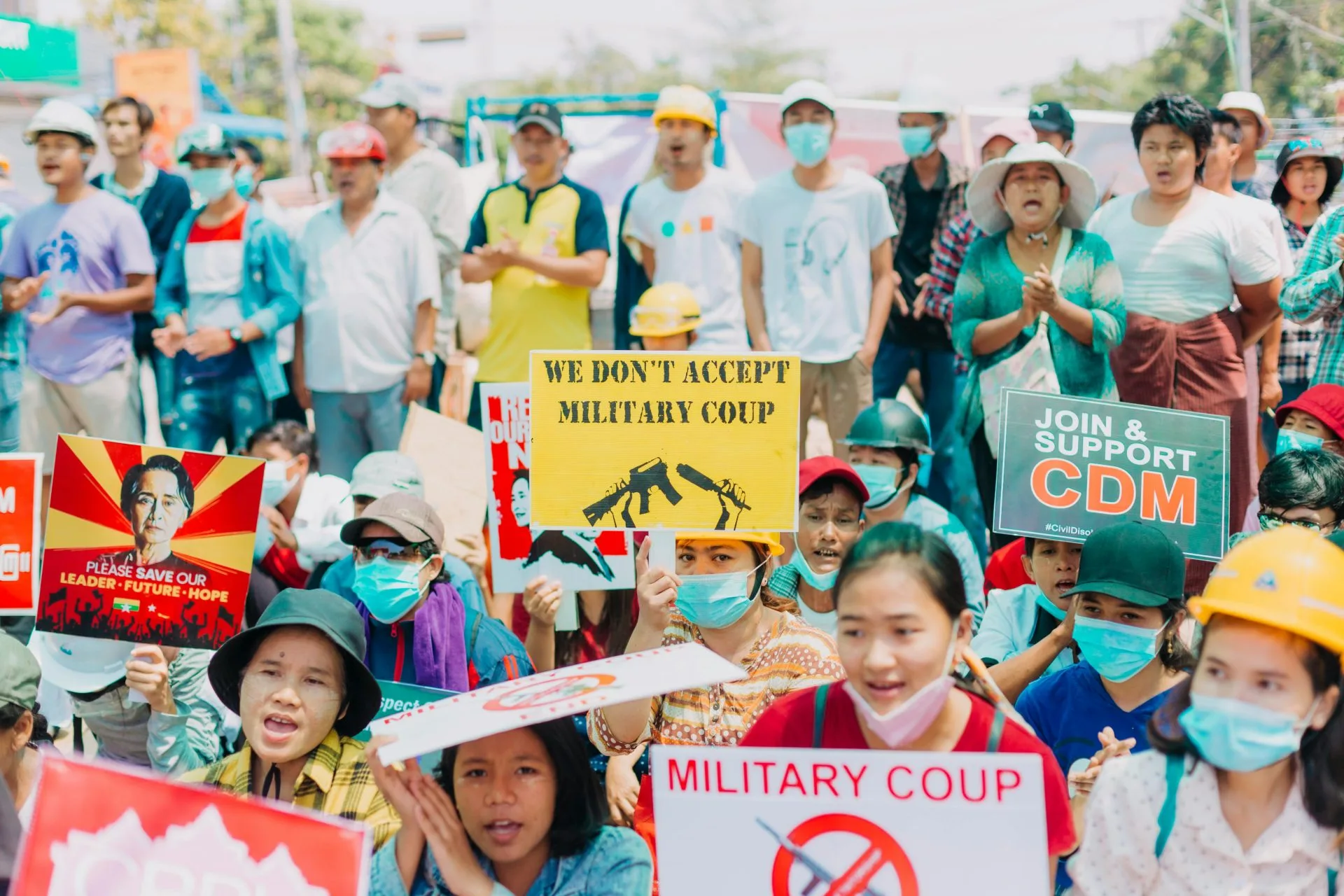
Myanmar’s civil war is one of the most complex humanitarian crises in Southeast Asia. Ethnic minorities play a central role in the resistance against the military but suffer the most consequences.
- GHRD Team
- 25 September 2025
- GHRD Team
- 25 September 2025

- GHRD Team
- 24 September 2025