
Articles

- GHRD Team
- 29 November 2025
- Genocide, Humanitarian Aid, War Crimes
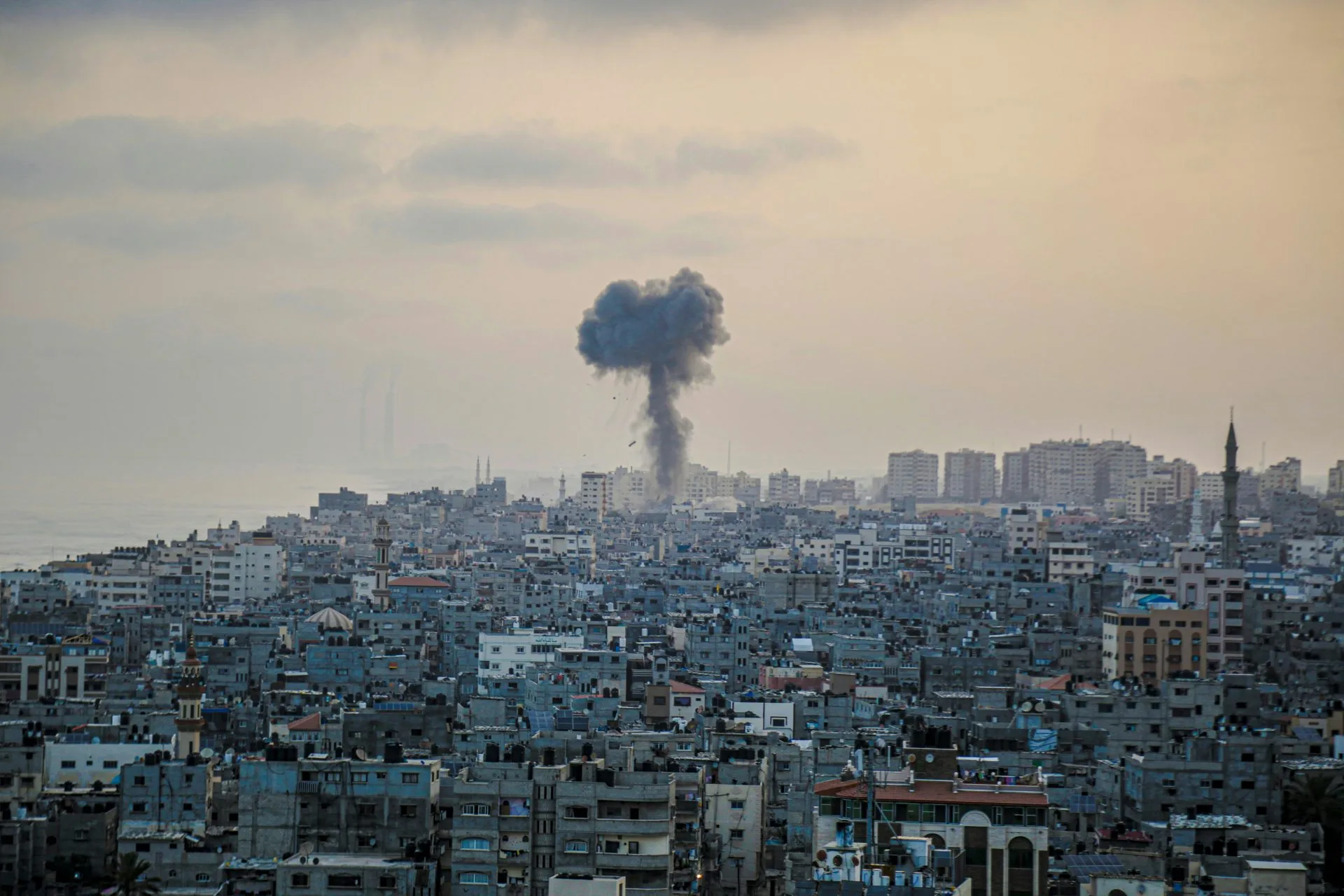
The conflict that escalated after the attack in Israel on October 7th, 2023, has brought intolerable suffering to Gaza for two years now. Even with the ceasefire agreement in October 2025, the humanitarian crisis is still catastrophic.
- GHRD Team
- 26 November 2025
- Ethnic Instrumentalisation, Humanitarian Crisis, Minority Rights
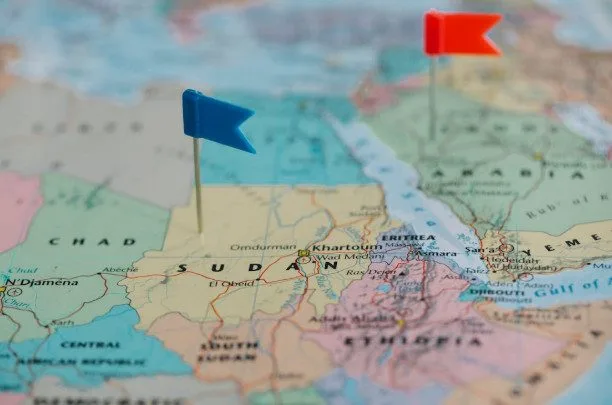
In the wake of recent violence in Sudan, it is crucial to examine the historical and political roots of the marginalisation of non-Arab communities, highlighting how current conflicts are deeply linked to the country’s colonial past and ongoing internal political fractures.
- Alejandra Martínez Otero-Saavedra
- 25 November 2025
- Female Leadership, Gender Equality, Women's Rights
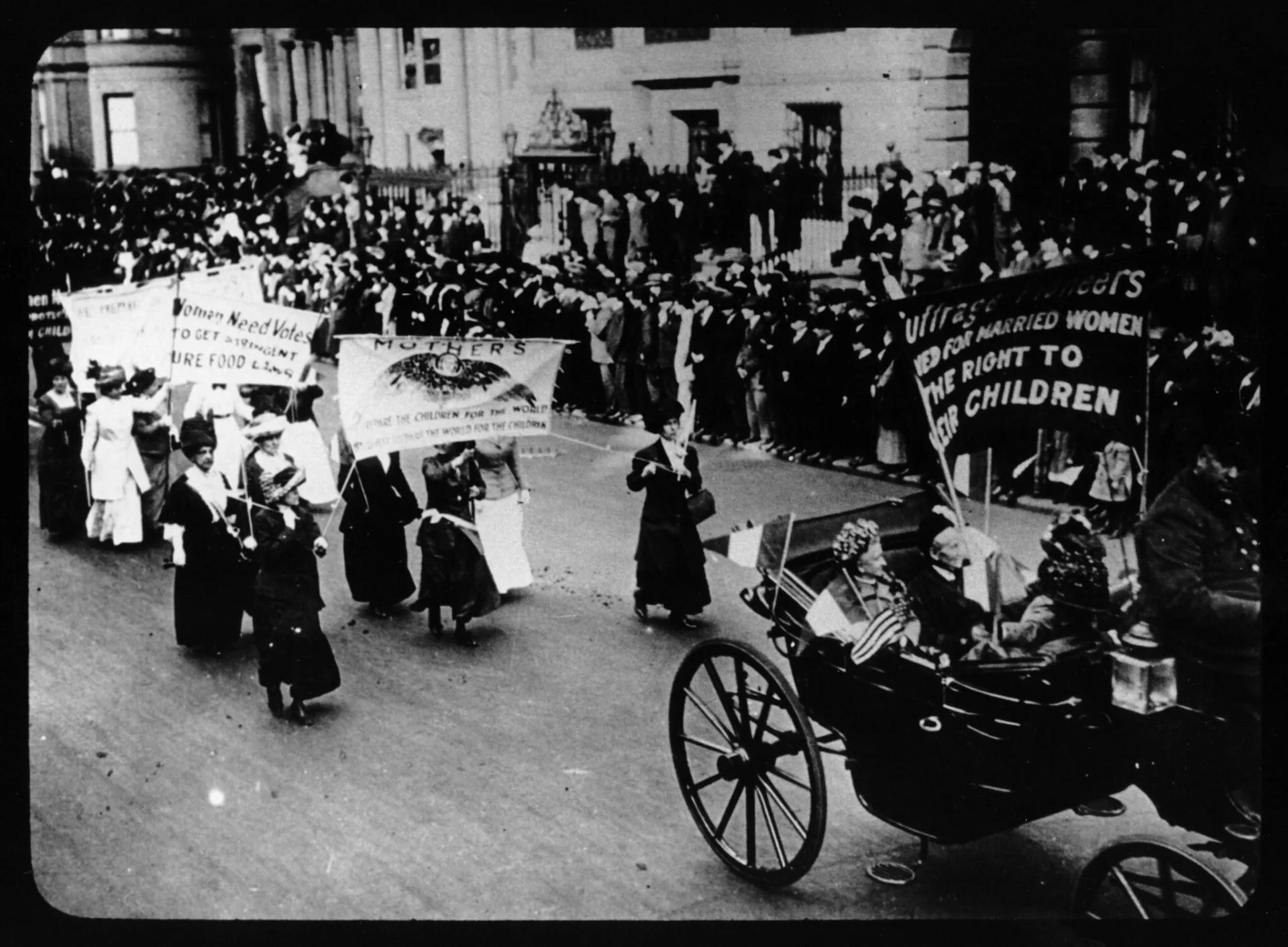
The persistence of violence against women remains a global concern, yet it represents only one dimension of a broader reality. Across historical and contemporary contexts, women have developed complex emotional and cognitive competencies that have mediated crises and contributed to social resilience in measurable ways. Understanding these capacities as empirically grounded forms of leadership, rather than as culturally assigned roles or innate attributes, allows for a more accurate assessment of women’s contributions to social stability and collective recovery.
- GHRD Team
- 24 November 2025
- Armed Conflict, Artificial Intelligence (AI), Human Rights
The conflict between Israel and Palestine, rooted in over a century of historical and ideological disputes, has evolved with technological influences, particularly the integration of Artificial Intelligence (AI) in military operations. Recent uses of AI, such as the AI Decision Support Systems (AI-DDS) by the Israeli Defence Forces (IDF) in the Gaza Strip, have enhanced targeting and surveillance capabilities. However, these developments raise significant legal and ethical concerns related to International Humanitarian Law (IHL), which aims to protect those not participating in hostilities. This article explores whether the employment of AI in warfare aligns with IHL principles, focusing on its implications within the ongoing Israel-Palestine conflict, despite Israel not having ratified crucial IHL protocols.

- GHRD Team
- 23 November 2025
- Civil Society Crackdown, Freedom of Expression, Human Rights
This article examines Tunisia’s escalating crackdown on civil society, where NGOs and human rights defenders face arbitrary detention, financial restrictions, and legal harassment. It highlights a broader decline in democratic freedoms and increasing state control under the pretext of national security. The situation raises serious concerns about shrinking civic space and violations of fundamental rights.
- Alejandra Martínez Otero-Saavedra
- 19 November 2025
- International Humanitarian Law, Security Council
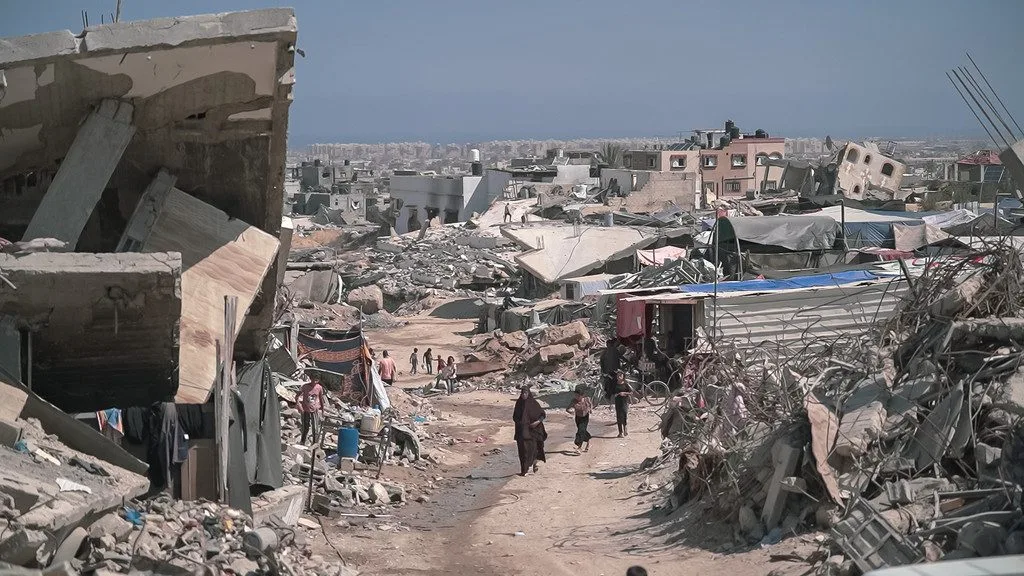
In recent months, international diplomacy around Gaza has intensified, yet conditions on the ground continue to deteriorate. While world leaders announced new political initiatives, displacement and humanitarian collapse have persisted across the Strip. The contrast between renewed diplomatic efforts and the reality faced by civilians has only deepened, underscoring the fragility of current negotiations and the failure of existing mechanisms to halt the violence.

- GHRD Team
- 18 November 2025
- Human Rights Law, Migration
This article argues that ECtHR migration jurisprudence normalises sovereign border control, erases colonial-racial histories, constructs restrictive hierarchies of vulnerability, and thereby legitimises structural violence, urging decolonial, justice-oriented alternatives.
- GHRD Team
- 18 November 2025
- European Union (EU)
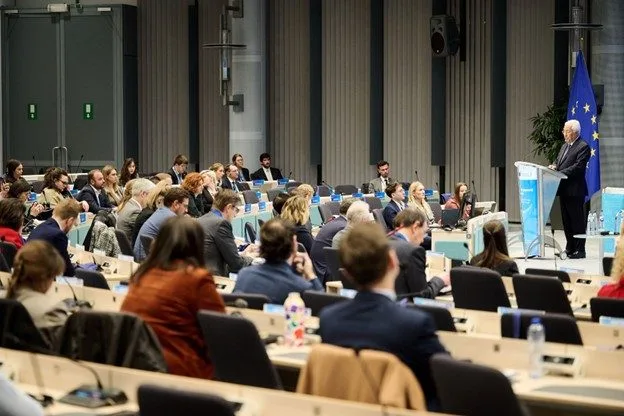
From initial scepticism to emerging momentum, the EU Enlargement Forum demonstrated the European Commission’s renewed political determination and institutional drive to advance enlargement. Upholding democratic values, human rights, and the rule of law remains central for candidate countries, as the EU asserts greater readiness and credibility amid growing authoritarian challenges.

- GHRD Team
- 16 November 2025
- ECtHR, Gender Based Violence, Human Rights
The article “One Standard for Us, Another for Them: Assessing the ECtHR’s Approach to Article 3 Violations in the Context of Asylum and Gender-Based Violence” examines how the European Court of Human Rights interprets protections against torture and inhuman or degrading treatment under Article 3 of the European Convention on Human Rights in asylum cases involving gender-based violence. It argues that the Court’s jurisprudence sometimes reflects inconsistencies in evaluating the risks faced by asylum seekers, particularly women fleeing gender-based harm. The analysis highlights concerns that differing evidentiary standards and judicial reasoning can lead to unequal protection for vulnerable applicants, raising broader questions about fairness, consistency, and the effective safeguarding of human rights within Europe’s asylum framework.

- GHRD Team
- 14 November 2025
- Freedom of Expression, Human Rights Defenders, Military Accountability
This article reports on an acid attack against a KontraS activist in Indonesia after he criticised the military’s growing role in civilian life. The case raises serious concerns about intimidation of human rights defenders, shrinking civic space, and the need for an independent investigation into alleged military involvement.

- GHRD Team
- 14 November 2025
- Fukushima, Human Rights
The article at hand analyses the long-term human rights implications of the nuclear accident in Fukushima Prefecture, caused by the natural disasters that struck Japan on March 11th, 2011.
- GHRD Team
- 12 November 2025
- European Parliament, European Union (EU), Human Rights
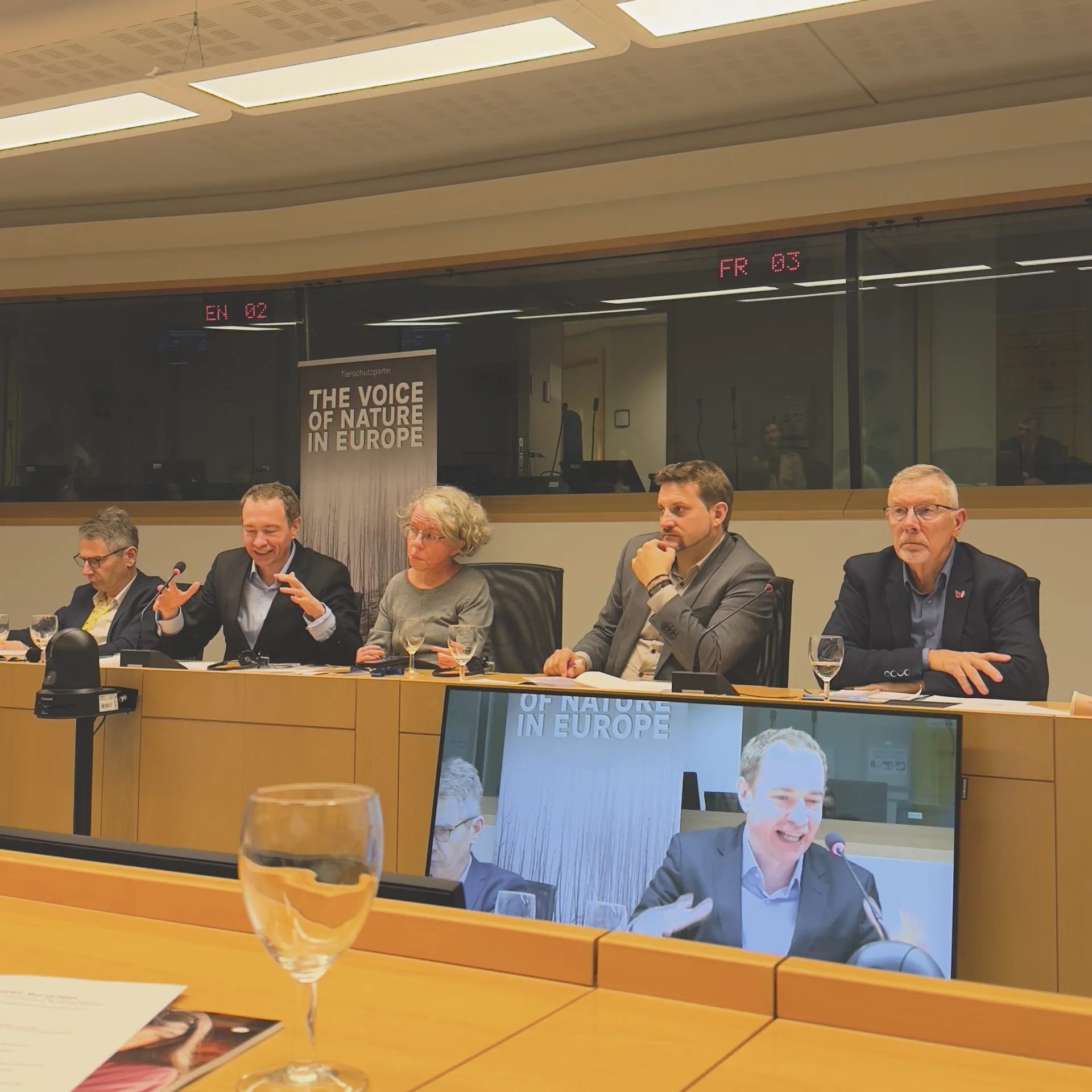
At a time when digitalisation is reshaping everyday life across Europe, the “Inclusive Communication for All” event at the European Parliament highlighted the growing risks of digital exclusion and the urgent need for communication policies that protect citizen choice. Bringing together MEPs, civil society, and industry representatives, the discussion underscored that equal access to information is not only a policy concern but a matter of fundamental rights.

- GHRD Team
- 11 November 2025
- European Parliament, European Union (EU), Sudan Crises
Against the backdrop of one of the world’s fastest-escalating humanitarian crises, the European Parliament’s Subcommittee on Human Rights and Subcommittee on Development convened a joint hearing to assess Sudan’s deteriorating human rights situation and the European Union’s strategic response. Bringing together EU officials, UN representatives, and civil society experts, the session underscored the scale of atrocities committed since the outbreak of conflict in 2023 and highlighted the urgent need for a coordinated, well-resourced, and rights-centred EU approach.
- GHRD Team
- 11 November 2025
- Genocide, Humanitarian Crises
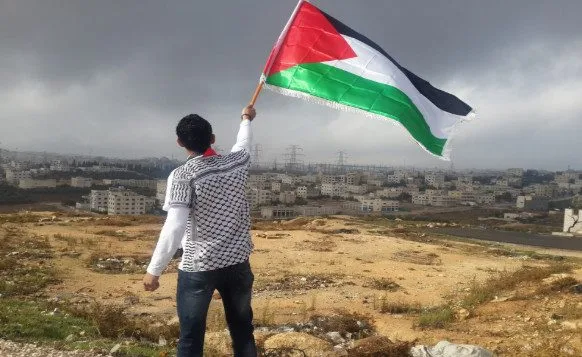
In October 2025, the Israeli navy intercepted the Global Sumud Flotilla, a civilian-led mission carrying humanitarian aid to Gaza, in international waters. Amidst Israel’s ongoing naval blockade of the Gaza Strip, this operation has raised concerns regarding the legality of the siege and the erosion of international law. As millions of Palestinians face crisis, the interception of the Global Sumud Flotilla exposes how humanitarian principles are being drowned beneath claims of security and self-defence.

- Alejandra Martínez Otero-Saavedra
- 10 November 2025
- Climate Change, Crises, Humanitarian Crises
More than sixty years after the Revolution, Cuba stands at a tipping point. The island faces a structural crisis marked by energy shortages, economic deterioration, and public health emergencies, revealing the limits of endurance within an already exhausted system.
- Alejandra Martínez Otero-Saavedra
- 4 November 2025
- Alejandra Martínez Otero-Saavedra
- 4 November 2025
- Geopolitics, Sexual Violence, War
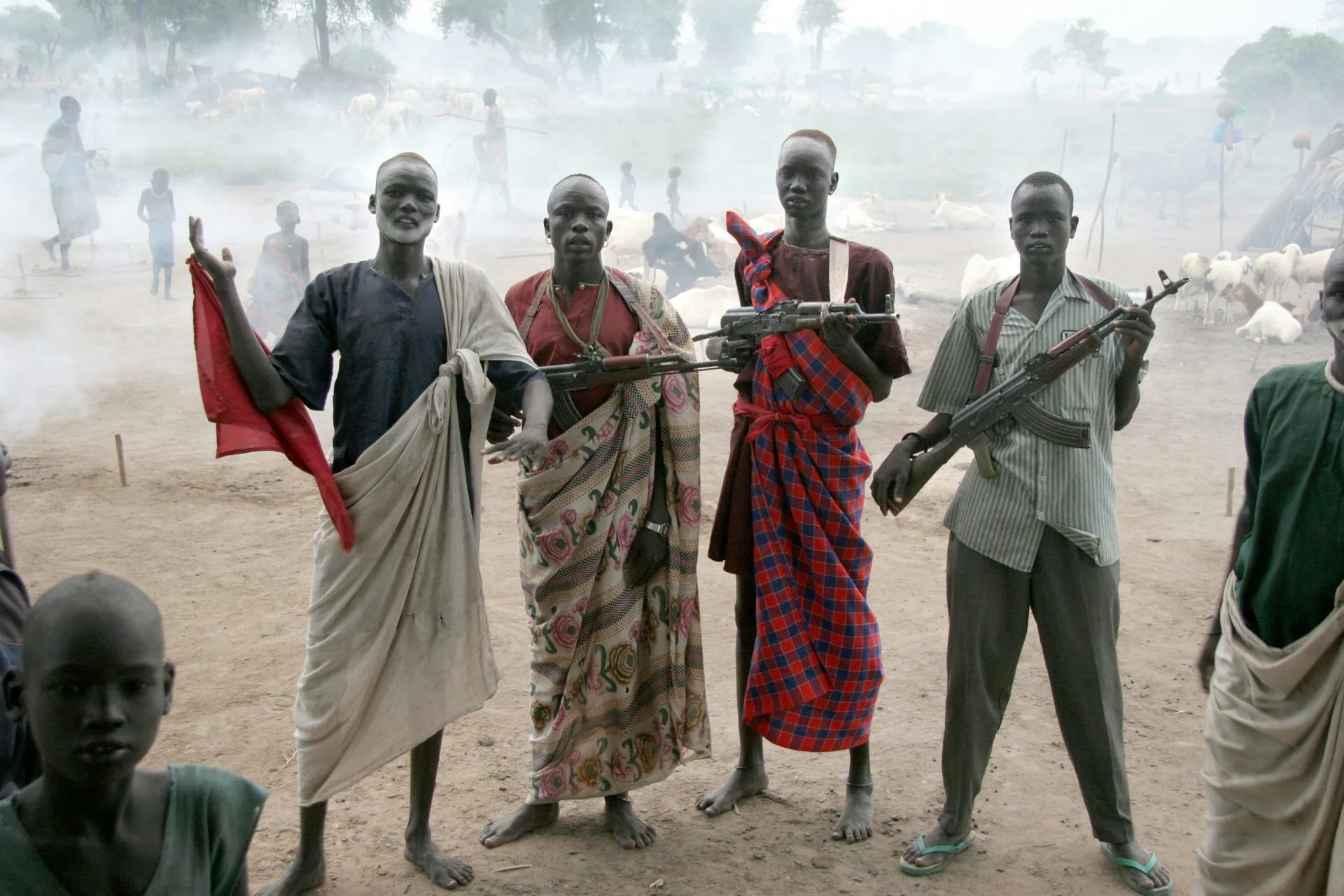
Two years after Sudan’s war began, the country stands on the edge of collapse. The power struggle between the Sudanese Armed Forces (SAF) and the Rapid Support Forces (RSF) has unleashed atrocities, famine, and one of the world’s worst humanitarian crises.

- GHRD Team
- 31 October 2025
- Migration
In October 2025, two prominent human‑rights lawyers published the names of European leaders previously reported in 2019 to the International Criminal Court—a submission that at the time did not list individual suspects—for crimes against humanity linked to EU border‑externalisation policies and cooperation with the Libyan Coast Guard.
- GHRD Team
- 30 October 2025
- Libya, Migration, Refugee Rights
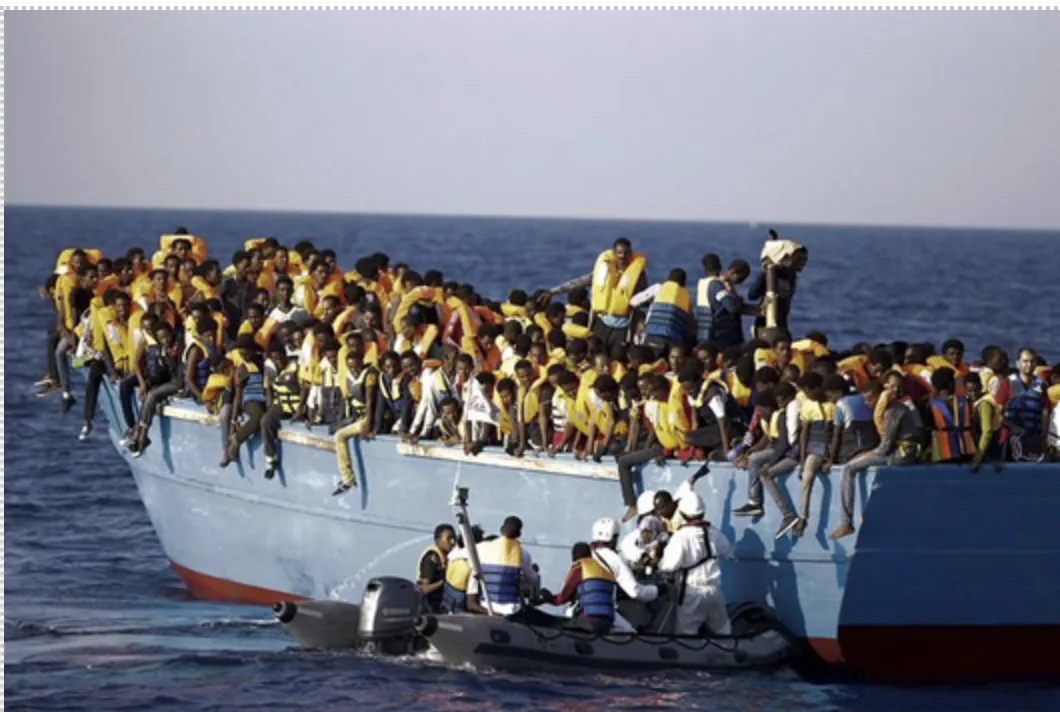
This article examines the human rights abuses faced by migrants in Libya and the broader role of EU-Libya cooperation in migration control. It highlights arbitrary detention, torture, sexual violence, and exploitative conditions endured by migrants along the Central Mediterranean route. The piece argues for a reassessment of EU policies to ensure migration management does not enable serious human rights violations.
- GHRD Team
- 30 October 2025
- European Union (EU), Migration, Refugees
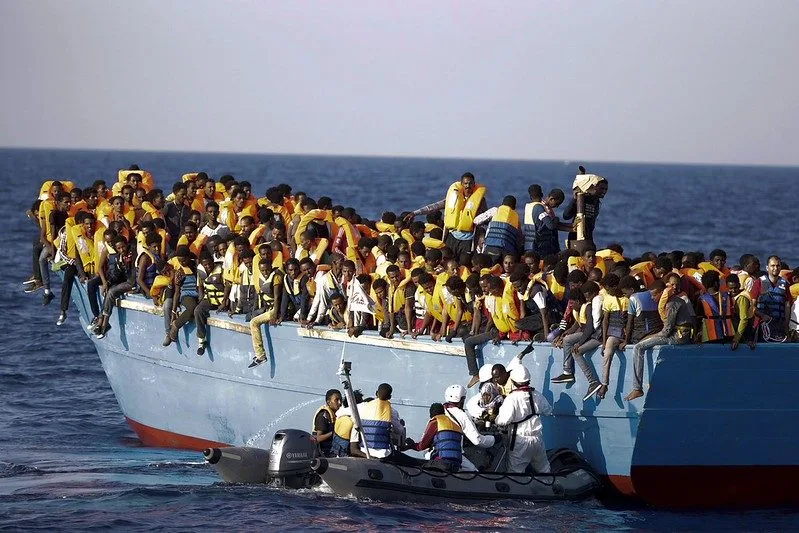
Each year, thousands of migrants risk everything to cross the Mediterranean. Yet before they ever reach the sea, many find themselves trapped in Libya, caught between war, poverty, and tightening borders. This article looks beyond migration statistics to expose the human cost of the EU’s approach to managing migration through Libya.