
Reports
- Asia Team
- 29 August 2024
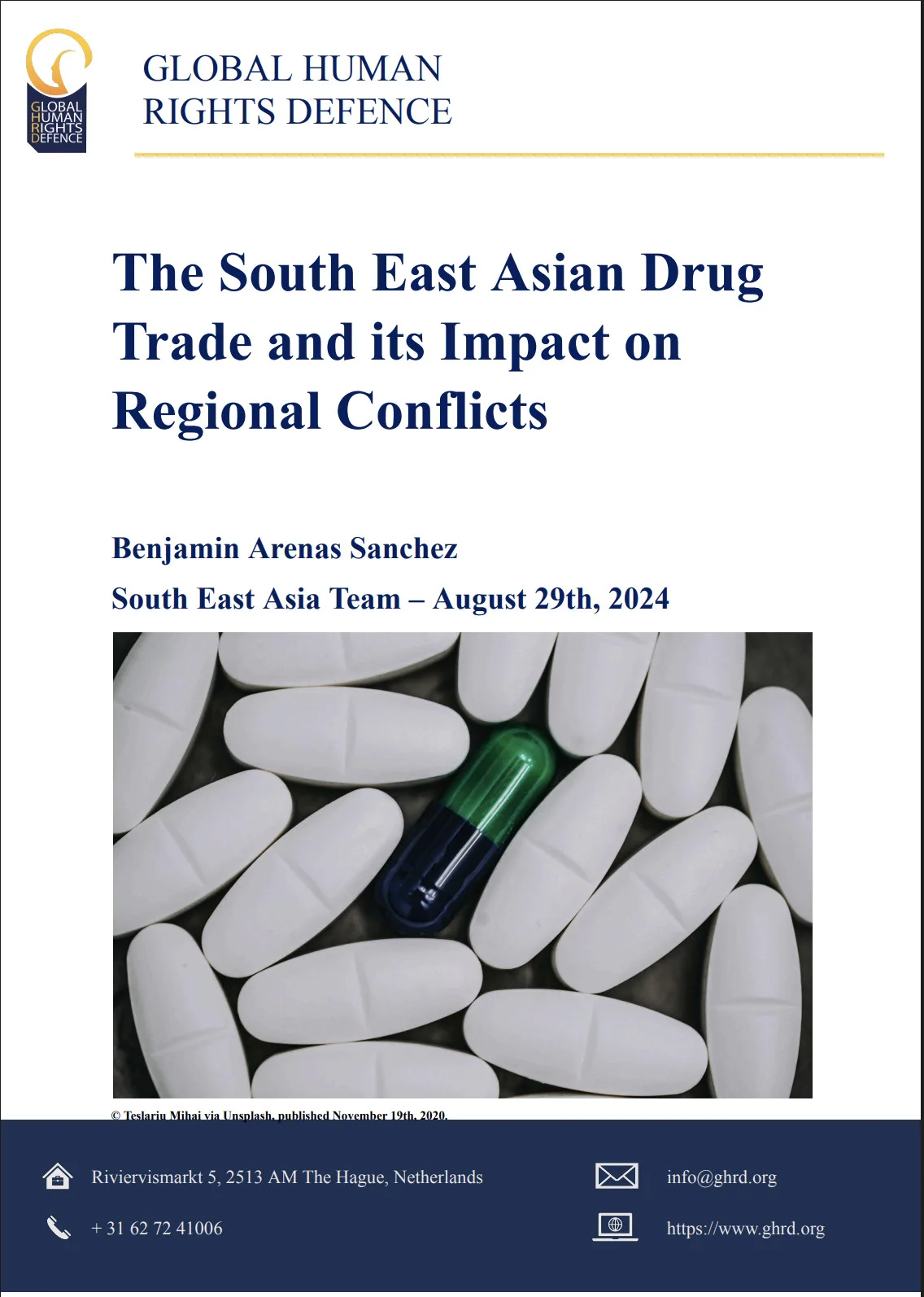
The complex connection between drug trafficking and violence poses a serious threat to international development and security.
This relationship often creates a vicious cycle that further destabilises the regions in which it takes place and undermines their governance. In addition to feeding ongoing hostilities, the growth of the illicit drug economy in conflict-prone areas fosters the conditions necessary for the emergence of new conflicts. Armed groups fighting in civil wars have been using illegal trade of rare resources for a long time, such as diamonds in Sierra Leone, Angola, or the Democratic Republic of the Congo (DRC).
- Asia Team
- 29 August 2024
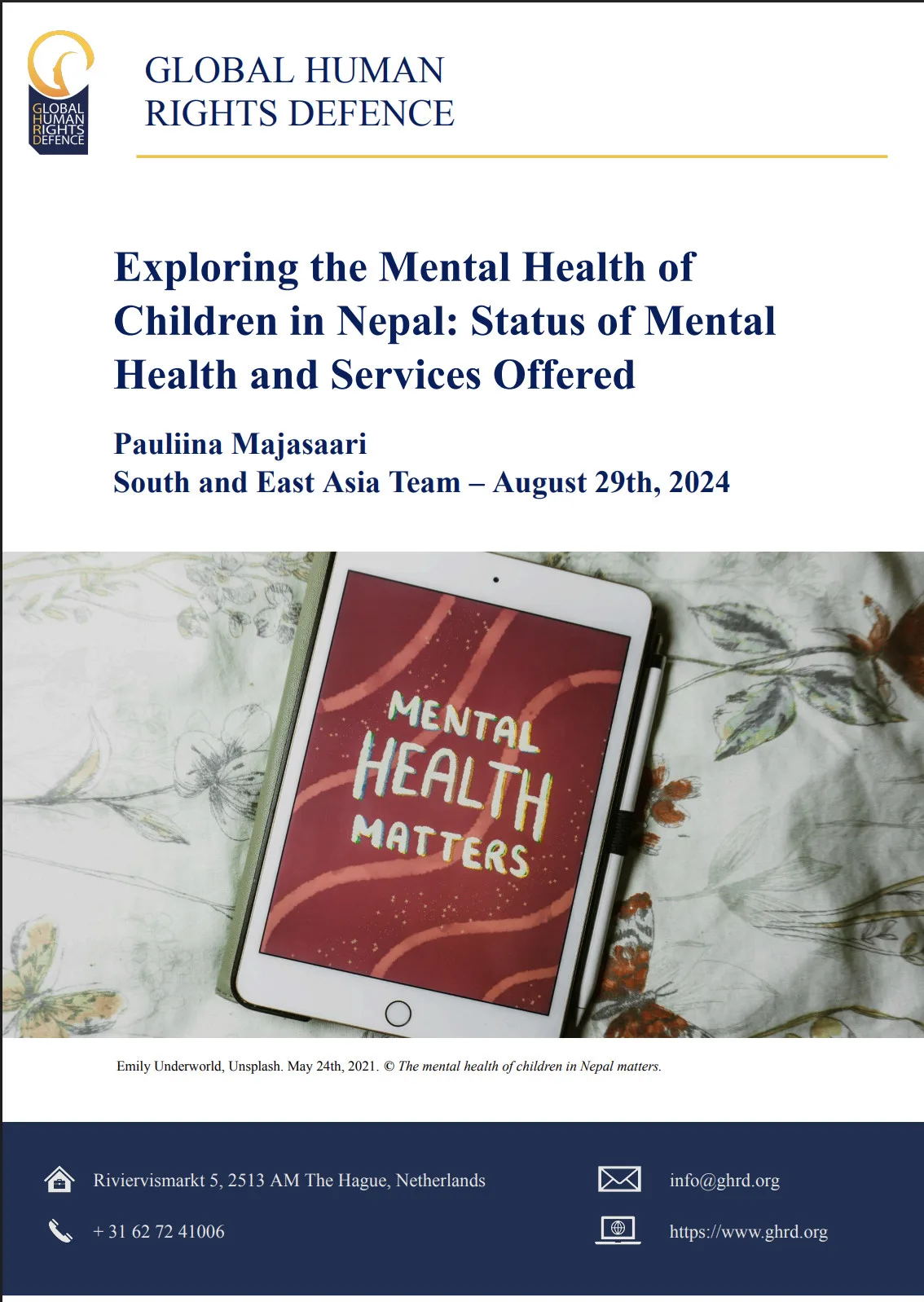
Globally, between 10 to 20 percent of children and adolescents suffer from mental disorders, with half of them developing such disorders as early as the age of 14. In Nepal, 40 percent of the population is under the age of 18, therefore a large part of the Nepalese population faces the risk of developing a mental disorder within their childhood years. Alarmingly, Nepal has only recently recognised the presence of child and adolescent mental health problems, as prior to this recognition, mental health matters were basically non-existent in Nepal’s health-related agenda and policy. However, the adequate planning of public health and mental health services, as well as ensuring that children have access to treatment for their mental health issues is an obligation of the State, ensured under the Convention on the Rights of the Child (CRC) which was ratified by Nepal in 1990.
This report aims to map out the state of children’s mental health in Nepal, as well as the potential causes of their mental health problems. It will also explore the shortcomings in the realisation of the right to mental health and respective services, showcasing the possibilities to improve the addressing and treatment of mental health problems for children and adolescents in Nepal.
- Asia Team
- 27 August 2024
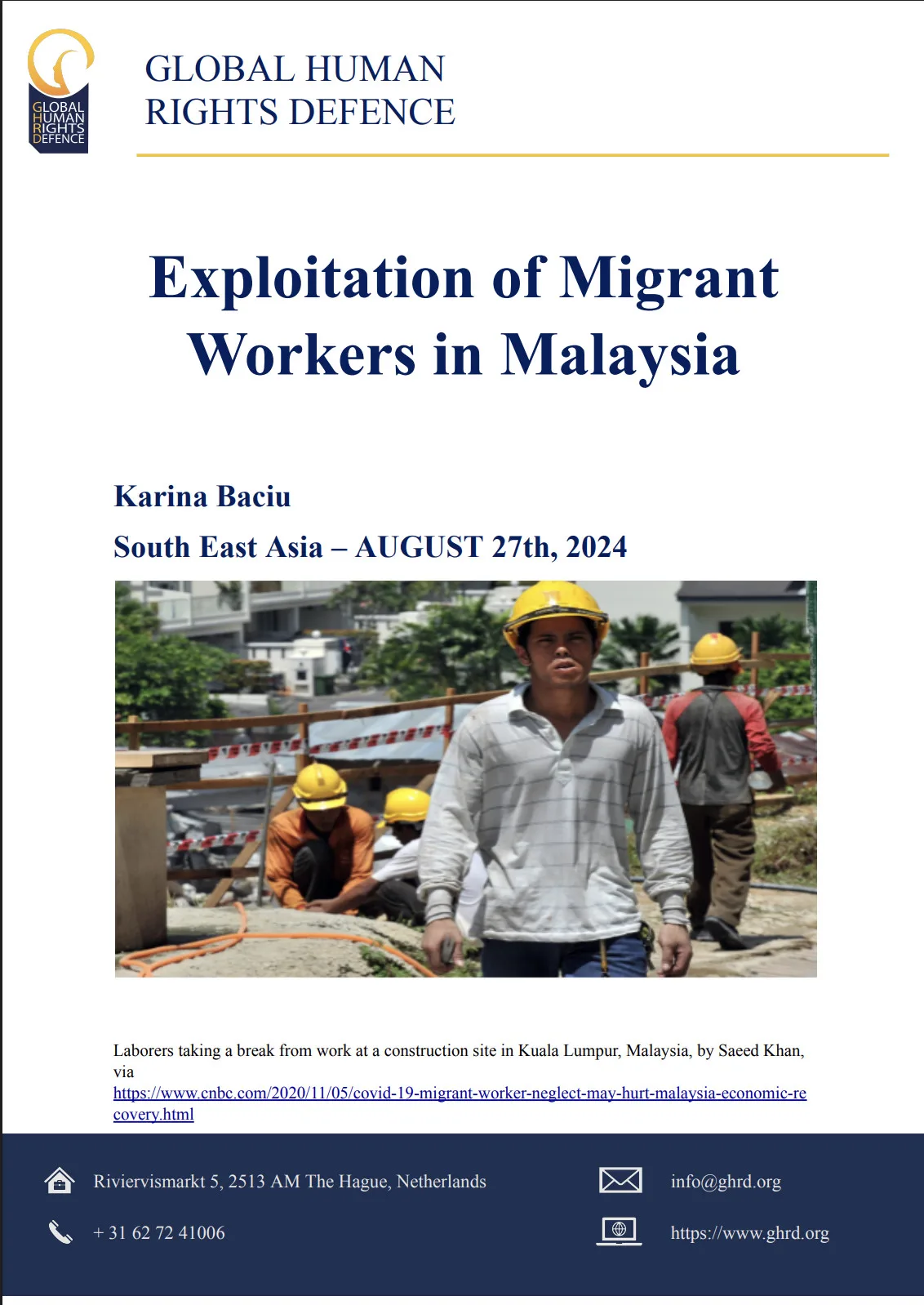
This report aims to illuminate the complex situation of migrant worker exploitation in Malaysia. The report will provide a comprehensive understanding of not only the factors that contribute to these circumstances, but also what impact it has on the individuals involved. The document will also explore the legal framework along with its challenges and the country’s efforts to create a better environment for the workers.
- GHRD Team
- 14 August 2024
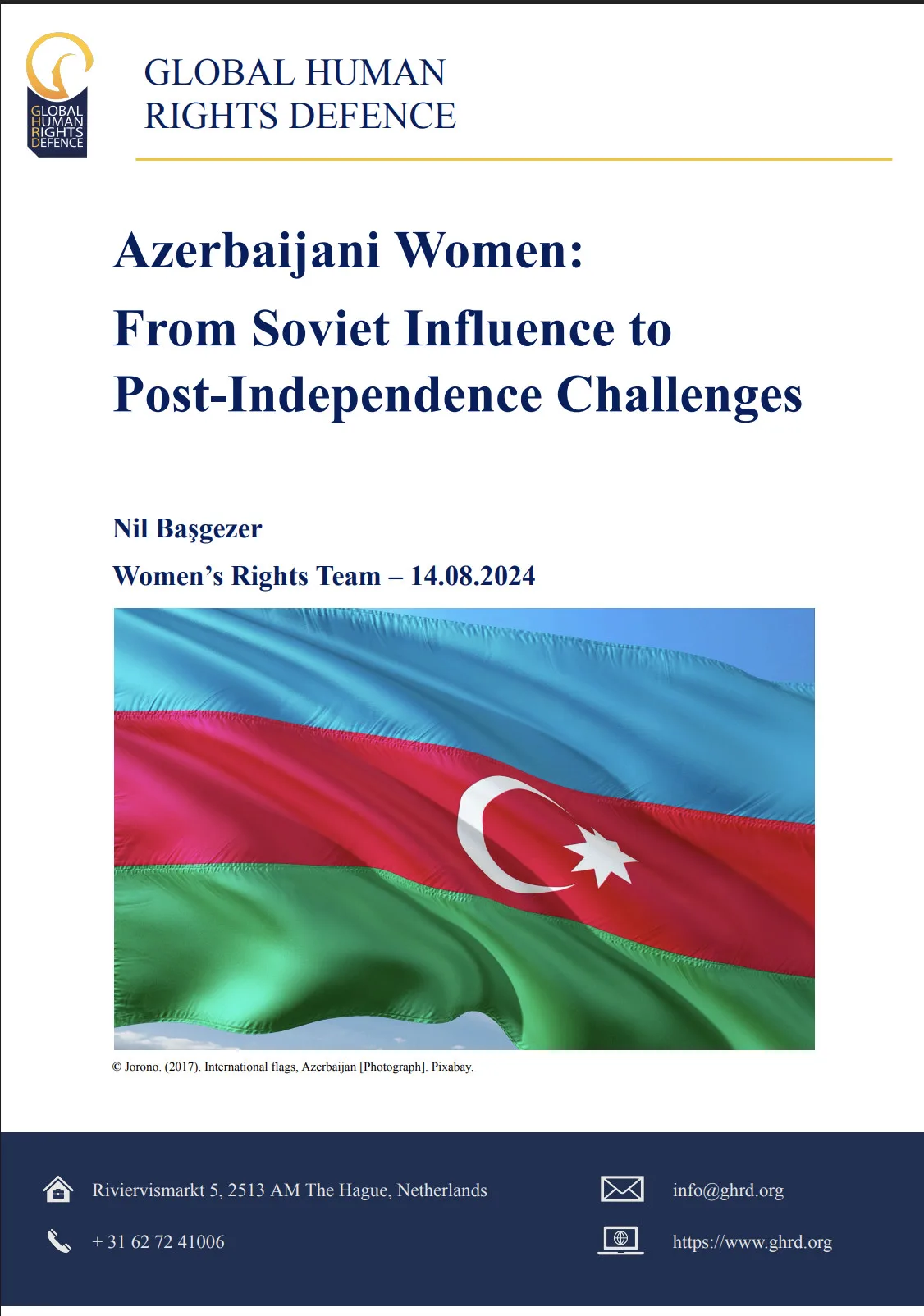
Azerbaijan, previously one of the fifteen republics under the Soviet Union, attained independence following the Soviet Union’s dissolution in 1991. After declaring independence, Azerbaijan joined the United Nations in 1992. The population of Azerbaijan is predominantly Muslim, with 95 percent adhering to Islam. Shi’a Muslims make up the largest sect (Heyat, 2008).
- GHRD Team
- 12 August 2024
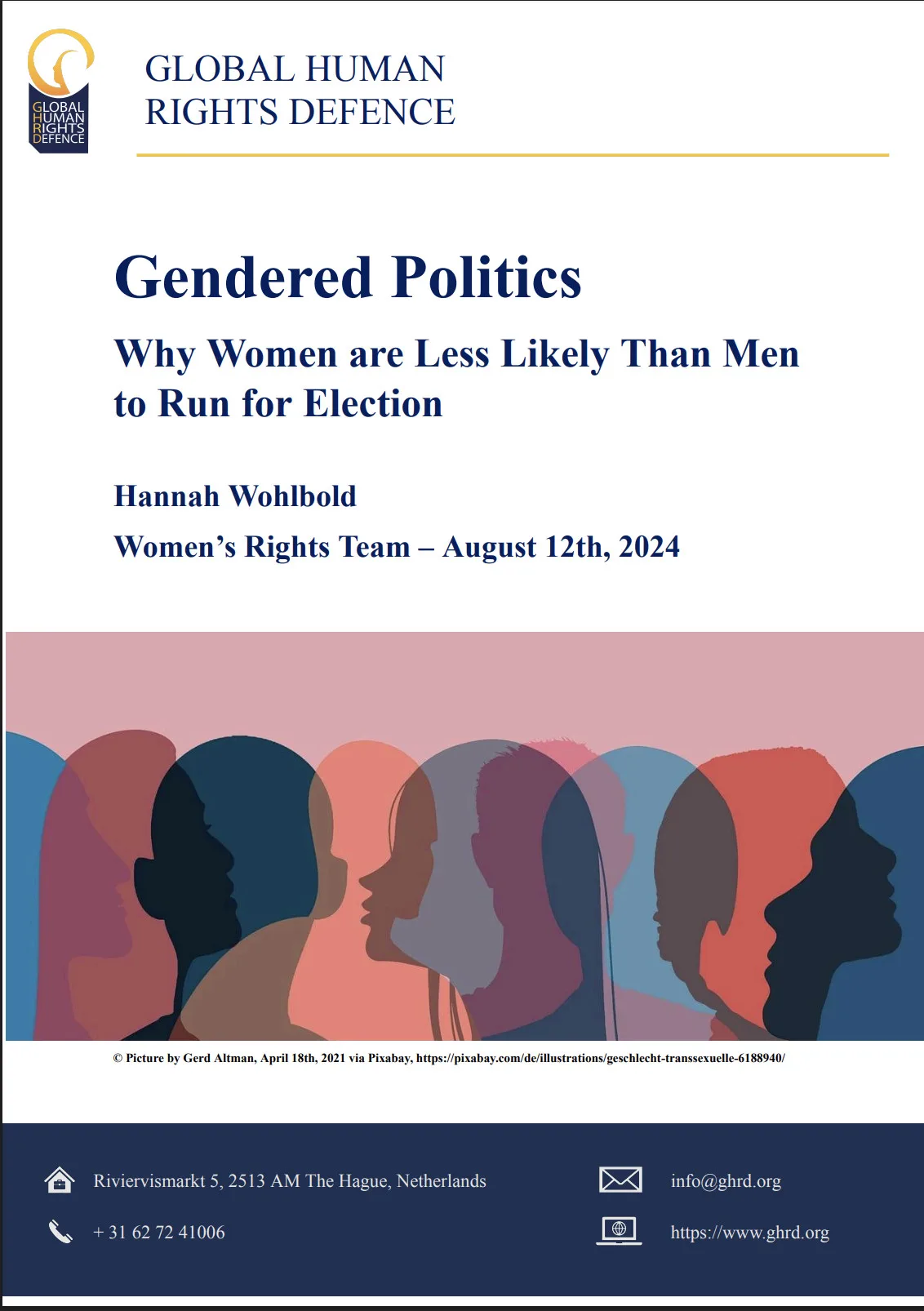
It is an empirical fact that women are under-represented in politics. It is also a fact
that women are no less likely to win an election when they decide to stand, and when elected,
women perform as well as, if not better, than men in political office (e.g. Anzia and Berry,
2012; Ashworth, Berry and de Mesquita, 2020; Cahn, 2020; Corbett et al., 2022; Holman and
Mahoney, 2023; Kanthak and Woon, 2015; Sevi and Blais, 2023). In trying to understand the
substantive lack of women in politics, scholars typically focus on the women already in office
and the gendered contextual factors surrounding them.
- GHRD Team
- 8 August 2024
In recent years, the upheaval caused by the digital revolution has led to the transformation of violence against women and girls. The increase in internet access worldwide and the widespread use of digital technologies have fostered the development of a new type of violence, cyberviolence. While women and girls already face daily physical, sexual, and psychological violence in the streets, at home, in public transport, or at their place of study or work, technological advances and the ease of access to the online world have amplified the existing threat, giving rise to cyberviolence. Today, cyberviolence against women and girls adds to the long list of violations of women’s rights and contributes to their insecurity by imposing itself as a continuum of violence between virtual and real spheres.
- Asia Team
- 31 July 2024
This report aims to explore how technology and graphic/legal design can enhance voter awareness and participation in elections. By examining the integration of these tools into the electoral process, the report seeks to highlight their potential to make voting procedures more understandable and accessible to a diverse electorate. The analysis includes various aspects such as voter registration, identification, voting methods, and the publication of election results, all of which are critical components in ensuring an informed and engaged voting populace.
- GHRD Team
- 30 July 2024
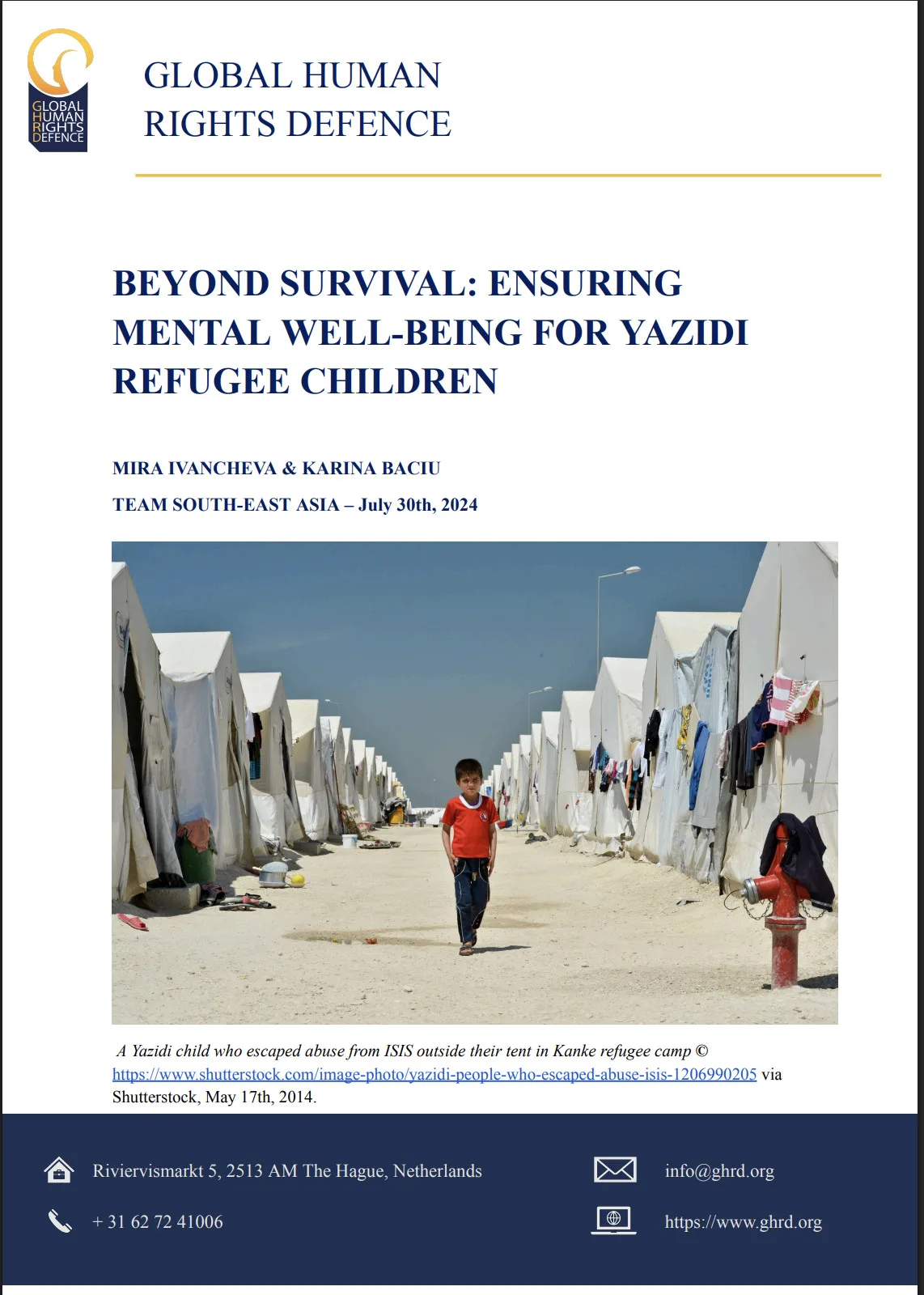
The Yazidi community, an ethno-religious minority from Iraq’s Sinjar region, has endured horrific atrocities since 2014, when ISIS militants began a campaign of genocide against them. Yazidi children in particular have faced unimaginable horrors, including abduction, enslavement, and witnessing the brutal killing of family members. These experiences have left deep psychological scars, making mental health support an urgent priority for this vulnerable group.
International human rights legislation, such as the United Nations Convention on the Rights of the Child (UNCRC), mandate that children who have experienced severe trauma receive special care to aid their recovery and reintegration. Despite these legal protections, the reality for Yazidi refugee children often falls short of these standards. Many suffer from post-traumatic stress disorder (PTSD), anxiety, depression, and other severe mental health conditions, exhibiting symptoms like nightmares, flashbacks, and social withdrawal.
Mental health support for Yazidi refugee children is critically lacking. Refugee camps face a shortage of trained mental health professionals and culturally sensitive services. Efforts by the United Nations High Commissioner for Refugees (UNHCR) and NGOs like Médecins Sans Frontières (MSF) and Amnesty International provide trauma counselling and support groups but are often limited by resources and the great scale of need. Addressing this crisis requires training healthcare providers in trauma-informed care, integrating mental health services into broader healthcare and education systems, and ensuring refugees’ inclusion in national health systems to provide comprehensive support.
This report explores the mental health rights and support systems available to Yazidi refugee children from a human rights law perspective, highlighting the gaps in current frameworks and proposing actionable improvements to ensure their psychological well-being.
- Asia Team
- 30 July 2024
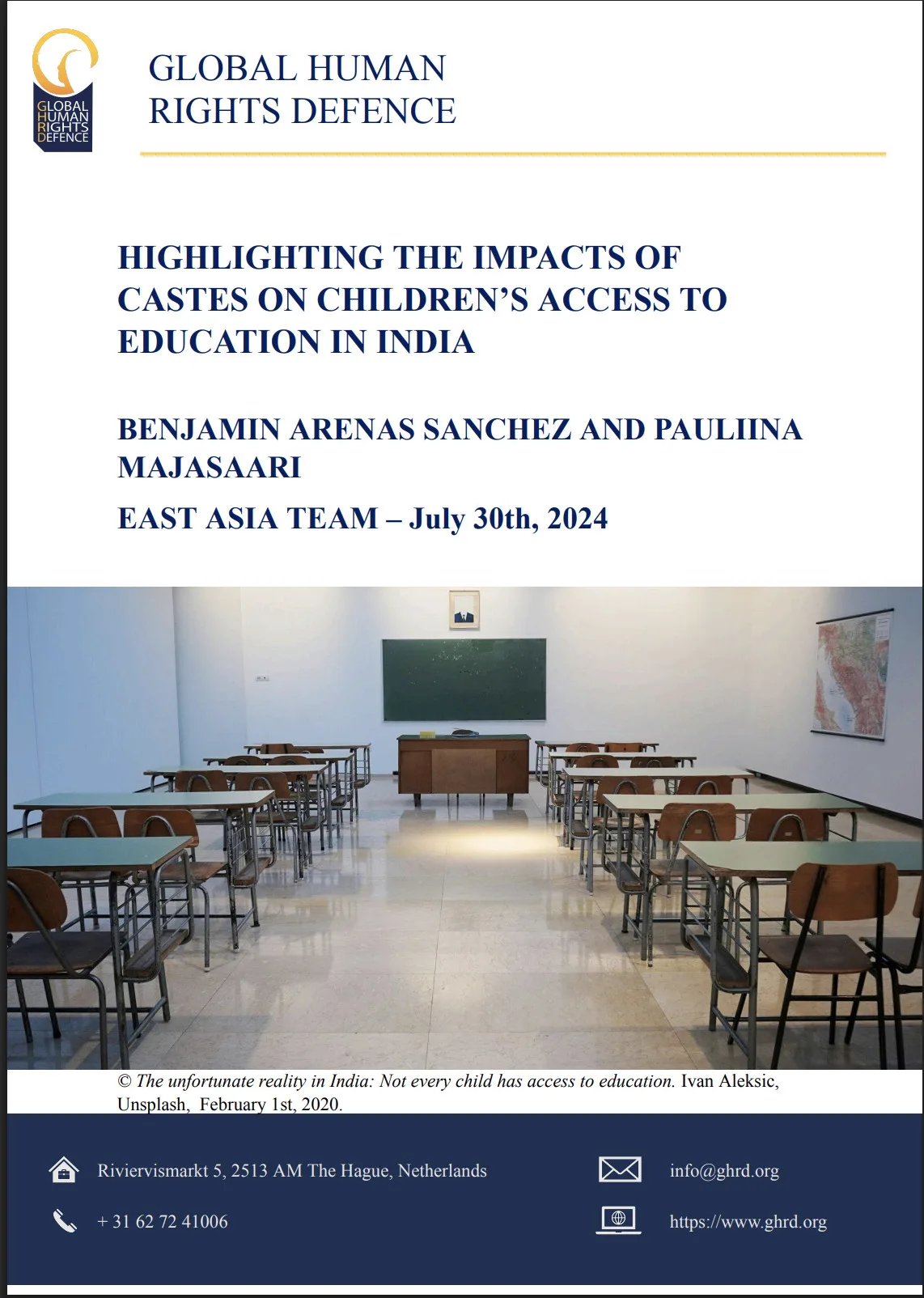
Education is one of the most powerful tools the human race possesses. It is what shapes our future and how we learn from our past. It has long been recognised as a fundamental human right, but there are still around 711 million illiterate people around the globe according to UNESCO. India is the country with the largest illiterate population with more than 287 million illiterate people. Indian literacy rates have been on an upwards trend in these last few years, reaching 77.7 percent of literate people in 2022, yet the Indian Caste system continues to play a large role in the disparity in education between social classes. Although some steps have been taken to better the situation of the lower caste children, there is still a long way to go to ensure an equal footing in education for all of India’s children.

- Asia Team
- 8 July 2024
The intersection of traditional Asian values and human rights has long been a pivotal issue in socio-political discourse, particularly in rapidly transforming nations like China. Rooted deeply in Confucian ideals, Chinese society has historically been shaped by values emphasising hierarchical order and familial roles. Recently, China’s demographic crisis, characterised by a declining birth rate and an ageing population, has prompted a dramatic policy shift. The government’s recent emphasis on encouraging women to adopt domestic roles in order to boost population growth marks a significant departure from the progress made in gender equality over recent decades.
This policy reversal highlights a profound conflict between the demographic needs of an ageing nation and the advancements in women’s rights. By prioritising traditional family roles over gender equality, the Chinese government is not only challenging the strides made towards gender equality but also reaffirming the enduring influence of Confucian values on state policy. This re-emergence of conservative family policies, framed as essential for national stability, raises critical concerns about the future trajectory of women’s rights in China.
This report delves into the complex interplay between traditional Asian values and women’s rights in China, examining how recent policy shifts align with or challenge the country’s international human rights obligations. By analysing this policy reversal in the context of international human rights law and considering the international community’s responses, this report aims to shed light on the tension between preserving cultural traditions and advancing gender equality. Through this examination, the study contributes to a broader understanding of how nations with deep-rooted cultural traditions can navigate the balance between demographic needs and gender equality in a globalised world.